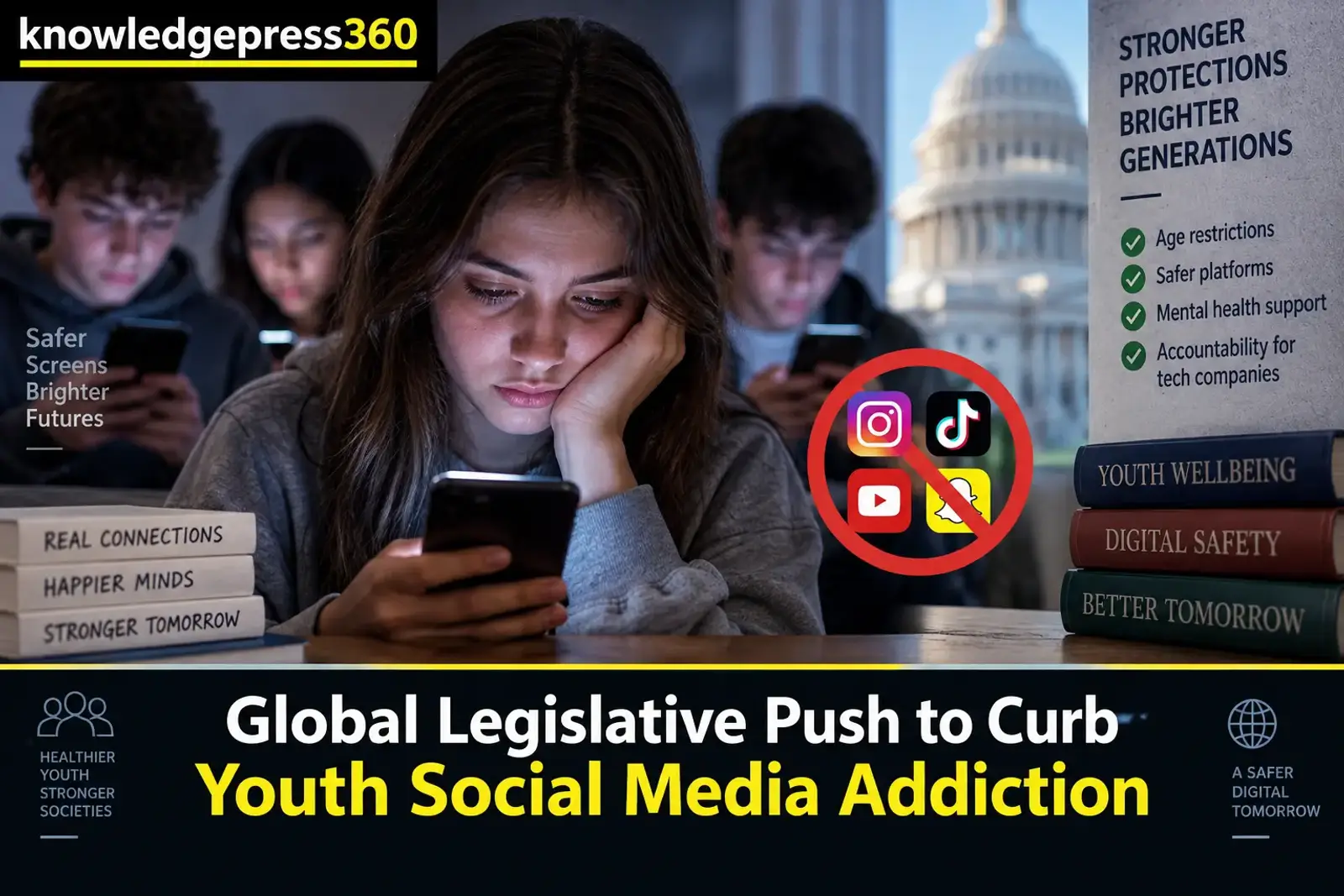
Governments and legal systems across the globe are radically shifting their approach to adolescent digital safety, moving rapidly away from traditional reliance on voluntary corporate self-regulation and passive parental oversight. For years, protecting youngsters from compulsive scrolling, cyberbullying, and cognitive overload was treated as a private domestic burden. Today, however, lawmakers and courts are establishing direct statutory boundaries and holding technology conglomerates legally accountable for product design. This worldwide regulatory wave aims to mitigate the well-documented mental health harms associated with early digital exposure, though it simultaneously ignites fierce debates over free expression, privacy rights, and the future of online connectivity for minors.
Nationwide Bans and Age Verification
Australia has established a formidable international precedent by enacting a sweeping nationwide ban that prohibits children under the age of 16 from maintaining accounts on ten major social media platforms [1]. The legislation places the legal burden squarely on provider networks, forcing companies to implement robust age-assurance tools or face severe financial penalties reaching up to thirty-five point six million US dollars [1]. While preliminary observations suggest positive local shifts—such as parental reports of increased face-to-face family interaction—critics warn that blunt legislative instruments can inadvertently isolate vulnerable demographics [1]. Similar regional efforts are also advancing elsewhere, including proposed European Union frameworks seeking to restrict social media and artificial intelligence chatbots for children under fifteen years of age [1].
Landmark Negligence Verdicts in Court
Beyond statutory bans, accountability is increasingly being forged within the courtroom through landmark civil litigation. In a bellwether trial held in Los Angeles, a superior court jury found Meta and Google negligent in a high-profile case brought by a young adult plaintiff who struggled with severe compulsive usage and body dysmorphia from an early age [2]. Jurors determined that both technology giants failed to adequately warn users about the addictive nature of their algorithmic designs, awarding three million dollars in compensatory damages while finding that punitive penalties were warranted [2]. Representatives for both Meta and Google promptly registered their disagreement with the outcome, announcing definitive plans to pursue appeals in higher courts to challenge the verdict [2].
State Restrictions and Legal Challenges
Legislative experiments within individual states have similarly triggered intense legal confrontations over civil liberties. In the United States, Utah passed the Social Media Regulation Act, which mandates stringent age verification protocols and compulsory parental consent before minors can access digital platforms [3]. The statute also imposes platform liability for features deemed harmful or addictive, alongside a mandatory nightly curfew restricting adolescent access during overnight hours [3]. These sweeping state requirements quickly prompted fierce pushback, resulting in lawsuits filed by teenagers and advocacy coalitions who argue that vague statutory definitions and sweeping liability rules threaten fundamental access to supportive online networks and information [3].
Complex Policy Trade-Offs Ahead
Navigating the balance between safeguarding youth mental health and preserving digital freedoms remains an extraordinarily complex challenge for modern policymakers. As appellate courts prepare to review corporate negligence liability and as jurisdictions debate the precise boundaries of age assurance, the ultimate efficacy of these measures hangs in the balance. Observers will closely monitor upcoming judicial rulings, the practical implementation of technical verification mandates, and subsequent jury decisions to determine whether heavy-handed legal interventions can effectively curb addiction without eroding essential privacy rights [1].