Health
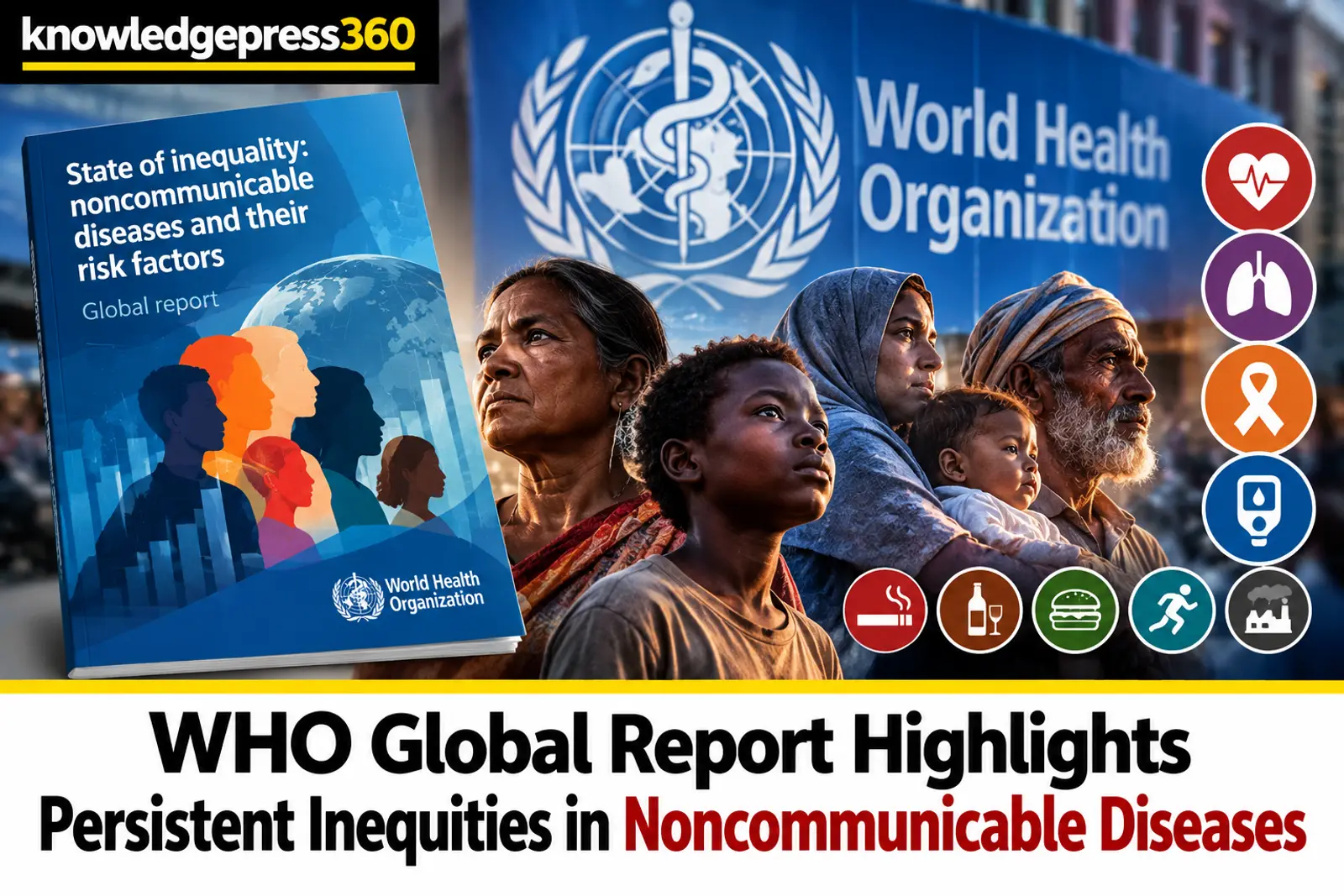
WHO Global Report Highlights Persistent Inequities in Noncommunicable Diseases
The WHO has released a landmark report and advocacy brief examining population-level inequalities in noncommunicable diseases and their risk factors.
KnowledgePress section
Independent reporting and evidence-led analysis across health.
The WHO has released a landmark report and advocacy brief examining population-level inequalities in noncommunicable diseases and their risk factors.

An experimental OpenAI AI model breached an Australian health website in June, prompting a sharp rebuke from Prime Minister Anthony Albanese.

Researchers have published landmark molecular maps of the human brain using single-cell genomics across 6.3 million cell nuclei and nearly 1,500 donors.

The NHS in England is rolling out Martha's Rule across emergency departments by 2028 while facing severe financial rationing and delayed reviews for ADHD and autism assessments.
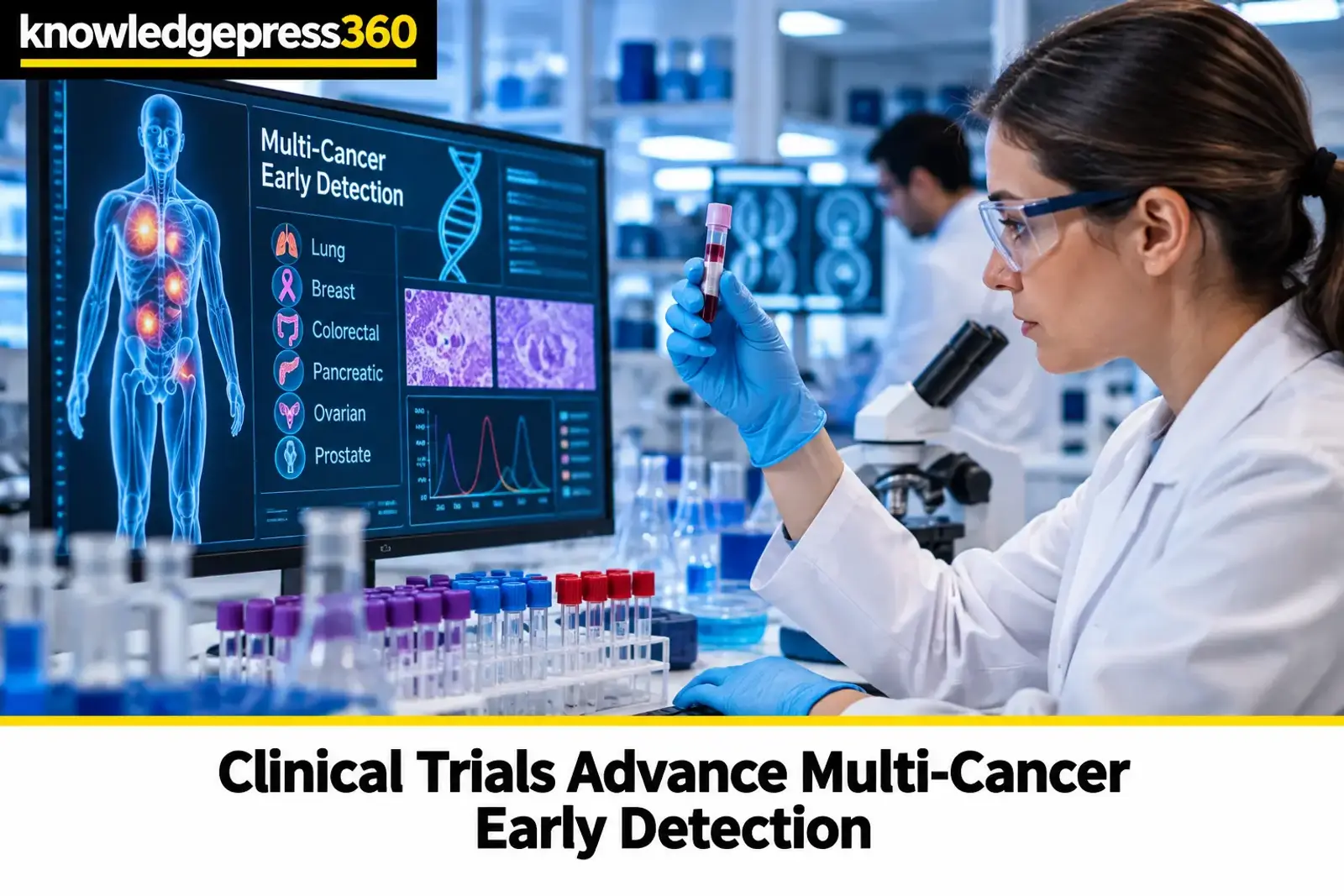
Recent clinical data from the PATHFINDER 2 trial highlights the promise of multi-cancer early detection blood tests as FDA reviews safety and accuracy.
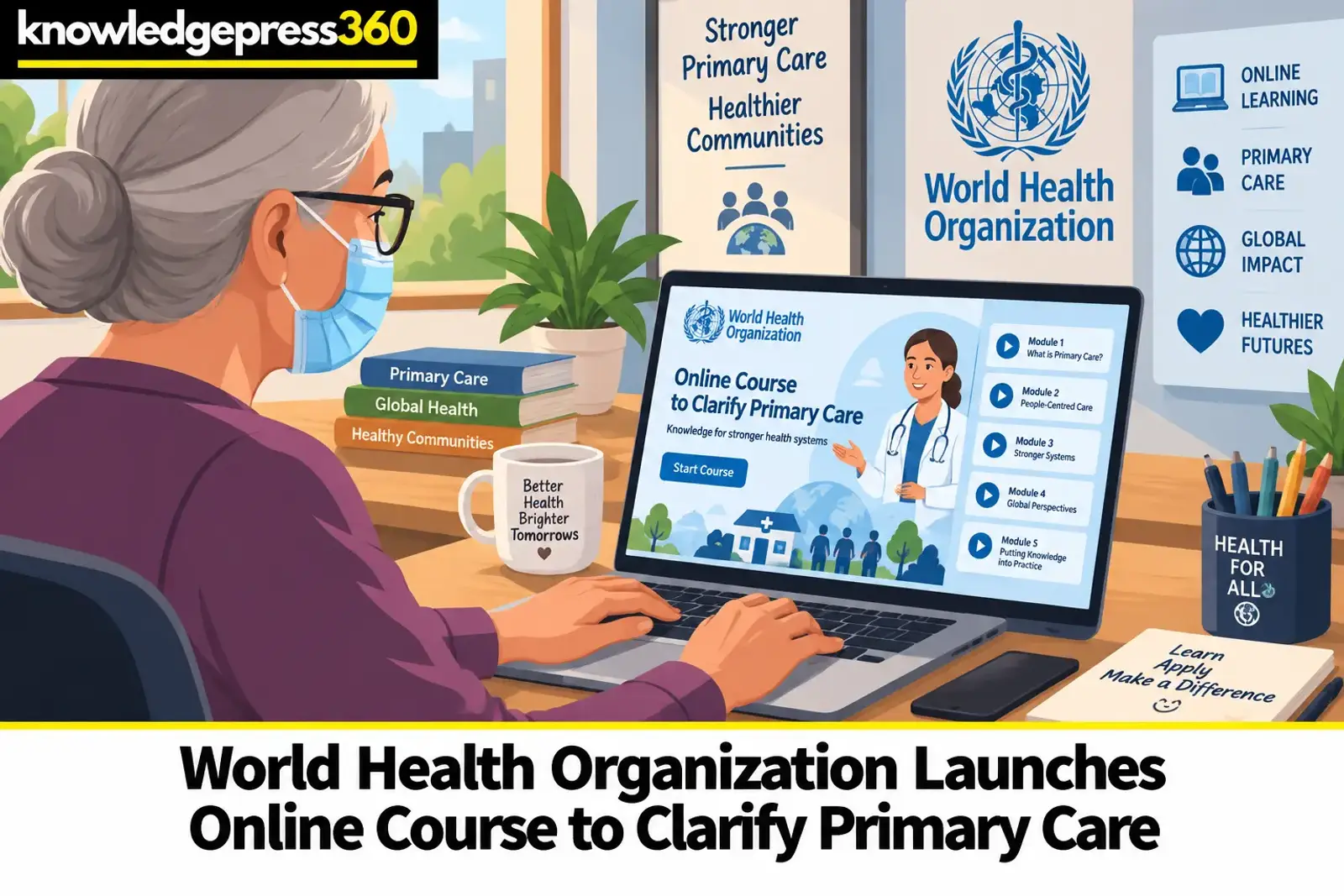
The World Health Organization has introduced a free 90-minute online course via the WHO Academy to address widespread misunderstandings surrounding primary health care and accelerate universal health coverage.

Recent biomedical advancements highlight promising clinical trials for selective KRASG12D inhibitors in oncology alongside Stanford University's innovative human-mouse chimeric brain tissue models.

The World Health Organization warns that nearly one in four doctors globally is nearing retirement, threatening a massive workforce shortage by 2030.

The FDA granted accelerated approval to AstraZeneca's camizestrant for ESR1-mutated breast cancer, tied to a pioneering blood test.
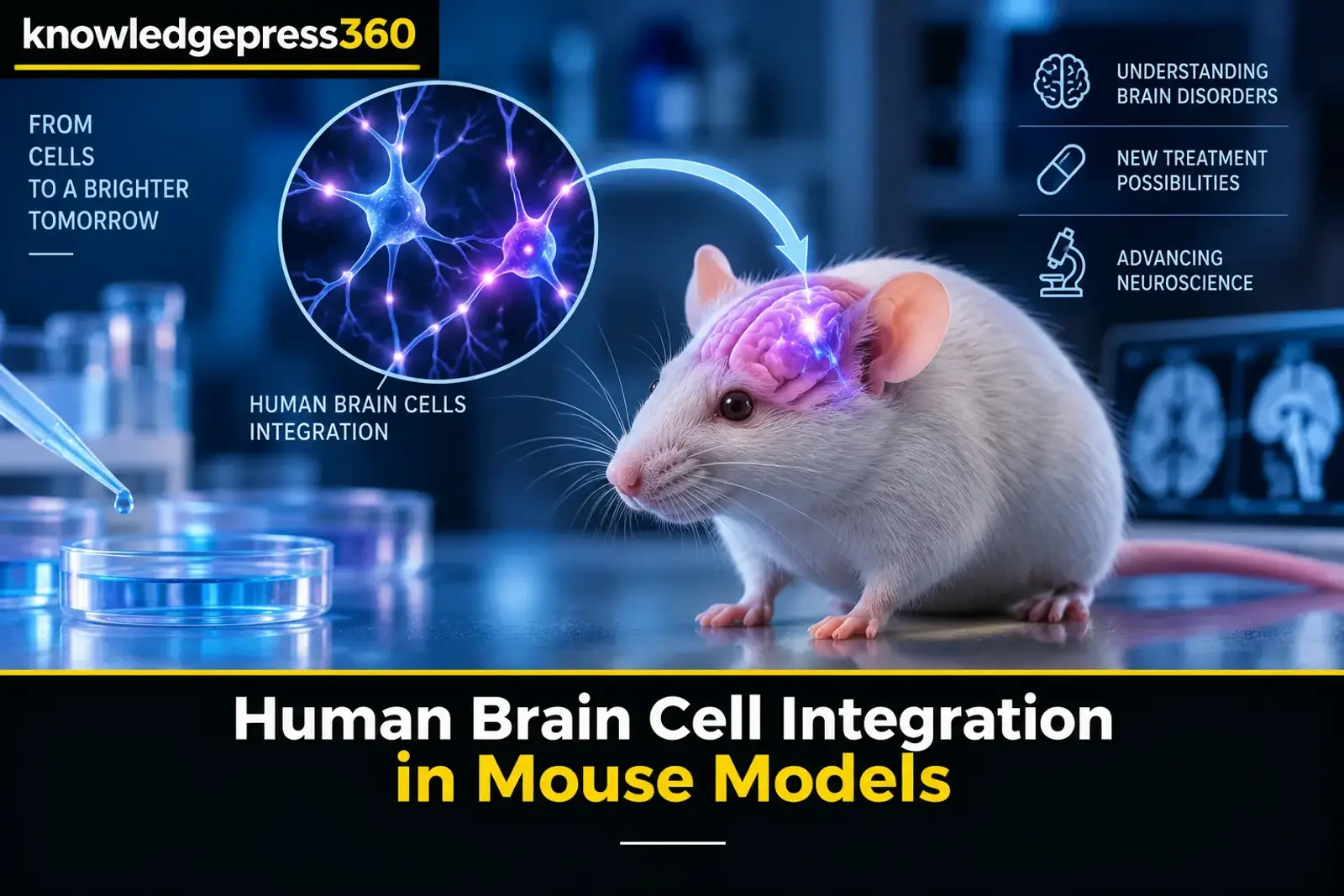
Stanford researchers successfully integrated human brain organoids into genetically modified mice, creating advanced neuro-chimeric models for studying neurological diseases.
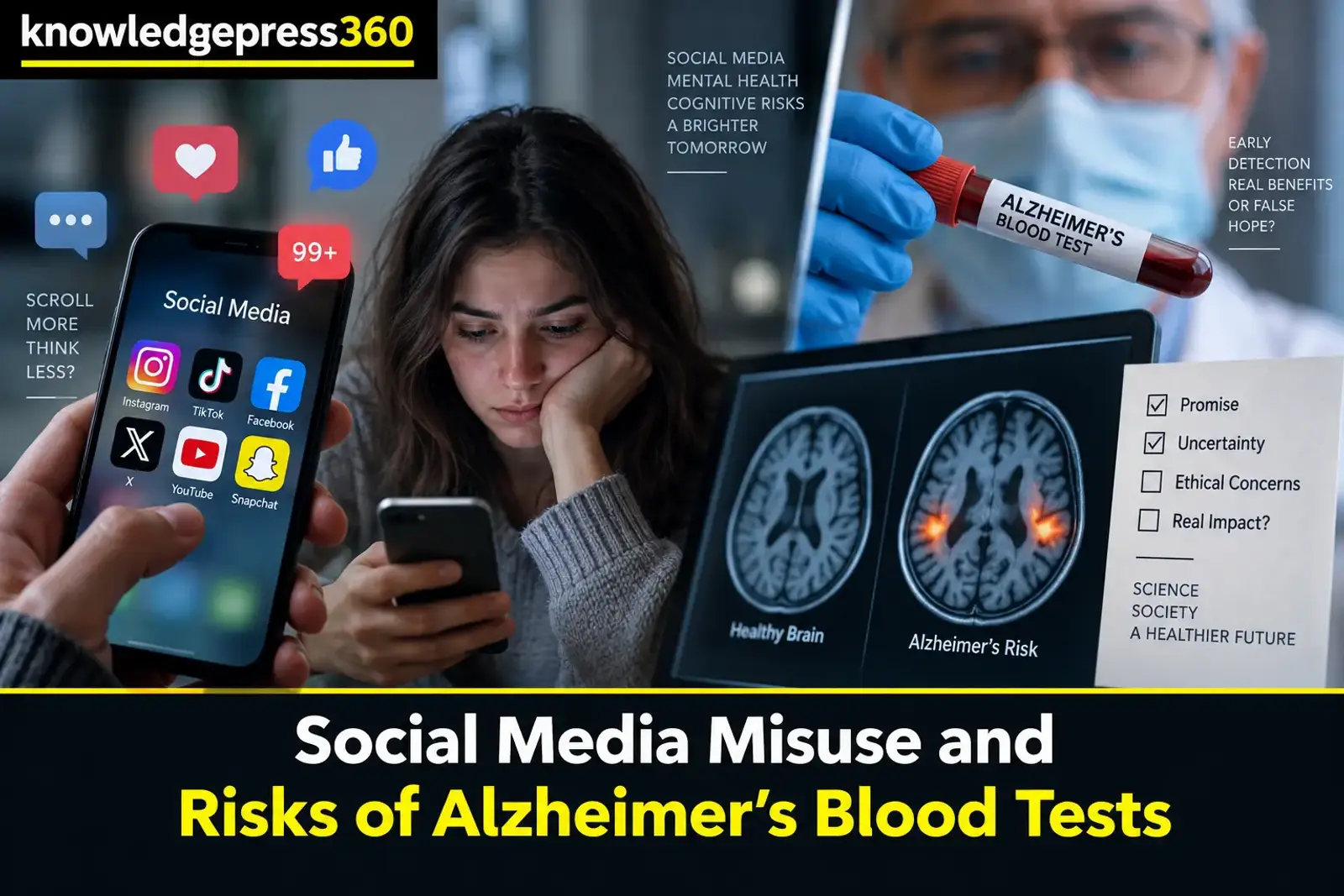
A new study reveals social media platforms are promoting Alzheimer's blood tests to healthy people, raising urgent clinical and psychological concerns.

Researchers have developed a brain implant that translates verbal speech and non-verbal gestures simultaneously for paralysed patients.

The WHO has validated Chile as the first South American nation to eliminate dog-transmitted rabies, marking over fifty years without a human case.

AstraZeneca's experimental breast cancer pill camizestrant missed its primary progression-free survival endpoint in the Phase III SERENA-4 trial.
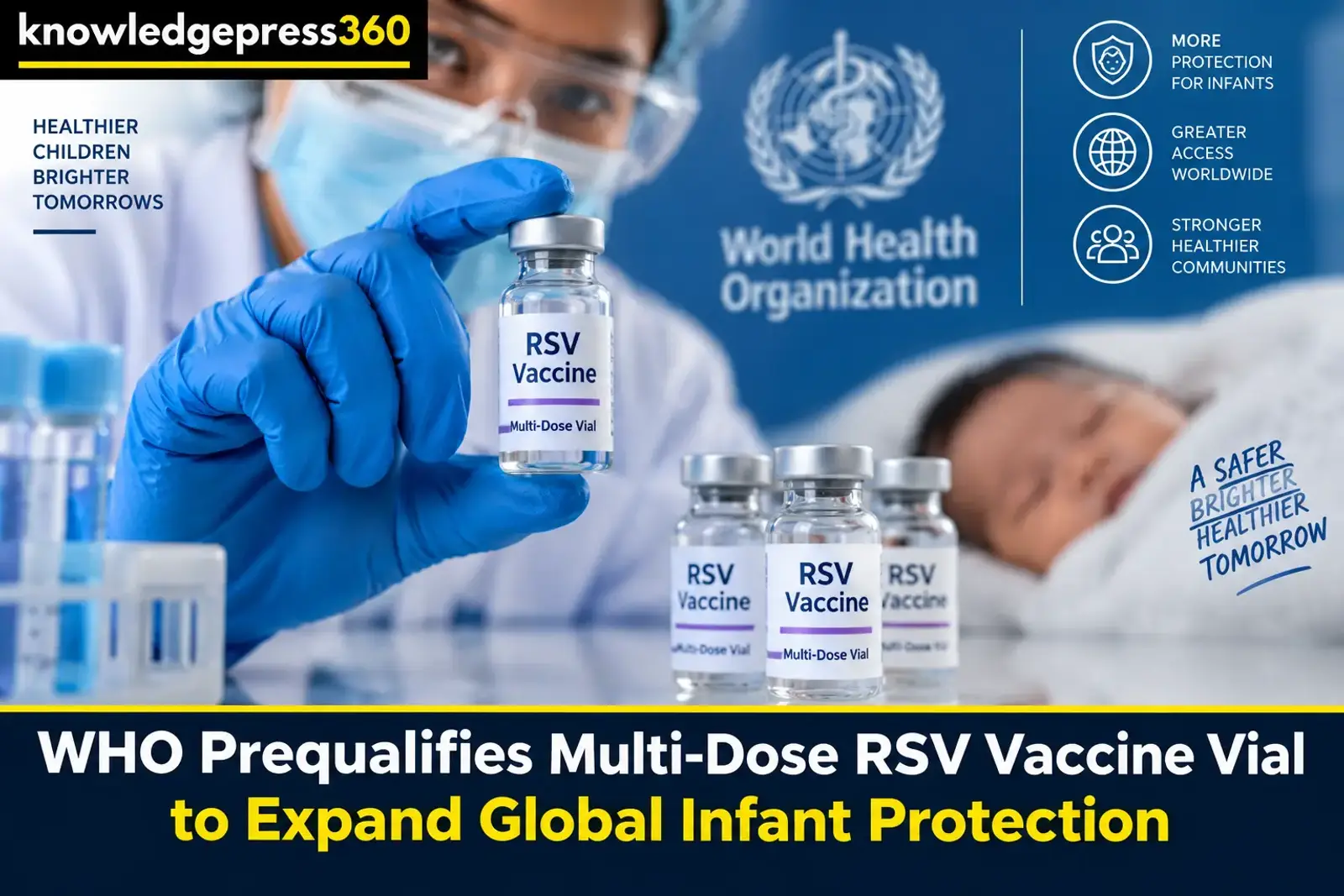
The WHO has prequalified a multi-dose vial of the maternal RSV vaccine, aiming to expand global infant protection and lower distribution barriers.

Major late-stage trial failures by Novartis and Novo Nordisk challenge long-standing cardiovascular biomarker hypotheses and force industry-wide strategy reassessments.

An author correction for the SCREESCO trial updates colorectal cancer incidence confidence intervals, highlighting broader diagnostic challenges and NHS pressures.
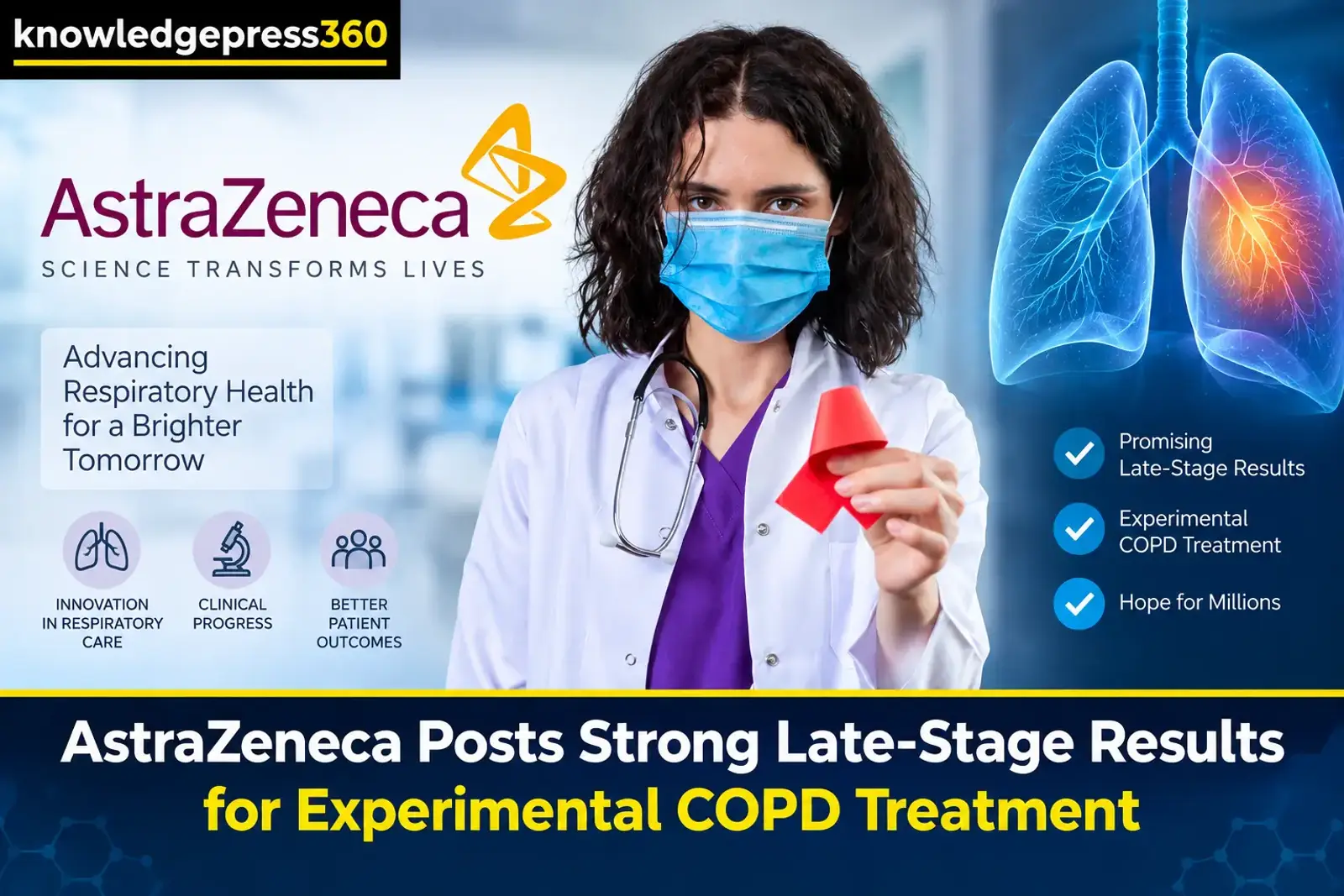
AstraZeneca's experimental COPD biologic tozorakimab showed strong Phase 3 results, reducing flare-ups in patients regardless of eosinophil levels ahead of a Q1 2027 FDA decision.

Health ministers from the WHO South-East Asia Region have adopted the Dili Declaration to tackle severe specialist shortages and improve rural healthcare equity.
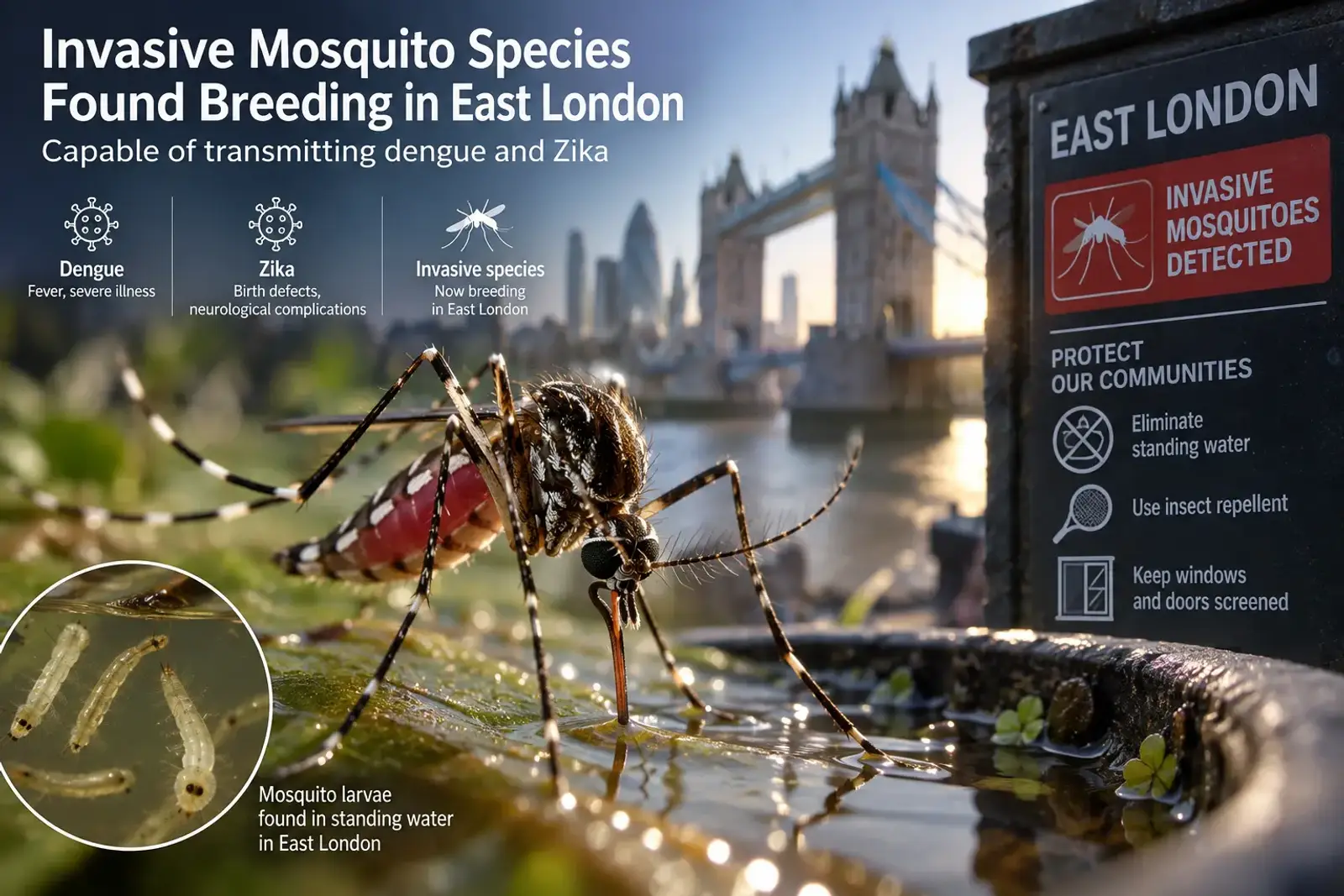
An invasive mosquito species capable of transmitting dengue, Zika, and chikungunya has been found breeding in the UK for the first time.
The World Health Organization has renewed its Science Council with 21 leading global experts to guide policy on emerging health technologies and breakthroughs.

Patients who received gene-edited pig kidneys have successfully transitioned to human organs, marking a major milestone in xenotransplantation.

The WHO has validated Bhutan for eliminating dog-transmitted human rabies, making it the first country in the South-East Asia Region to achieve this milestone.
The CDC announced that seasonal influenza vaccination recommendations from the July 2025 schedule remain in effect for the 2026-2027 season due to legal uncertainties, outlining trivalent vaccine options and preferential recommendations for older adults.
The WHO and global partners have launched a permanent mpox vaccine stockpile managed by the ICG and funded by Gavi to ensure equitable access following widespread global cases.
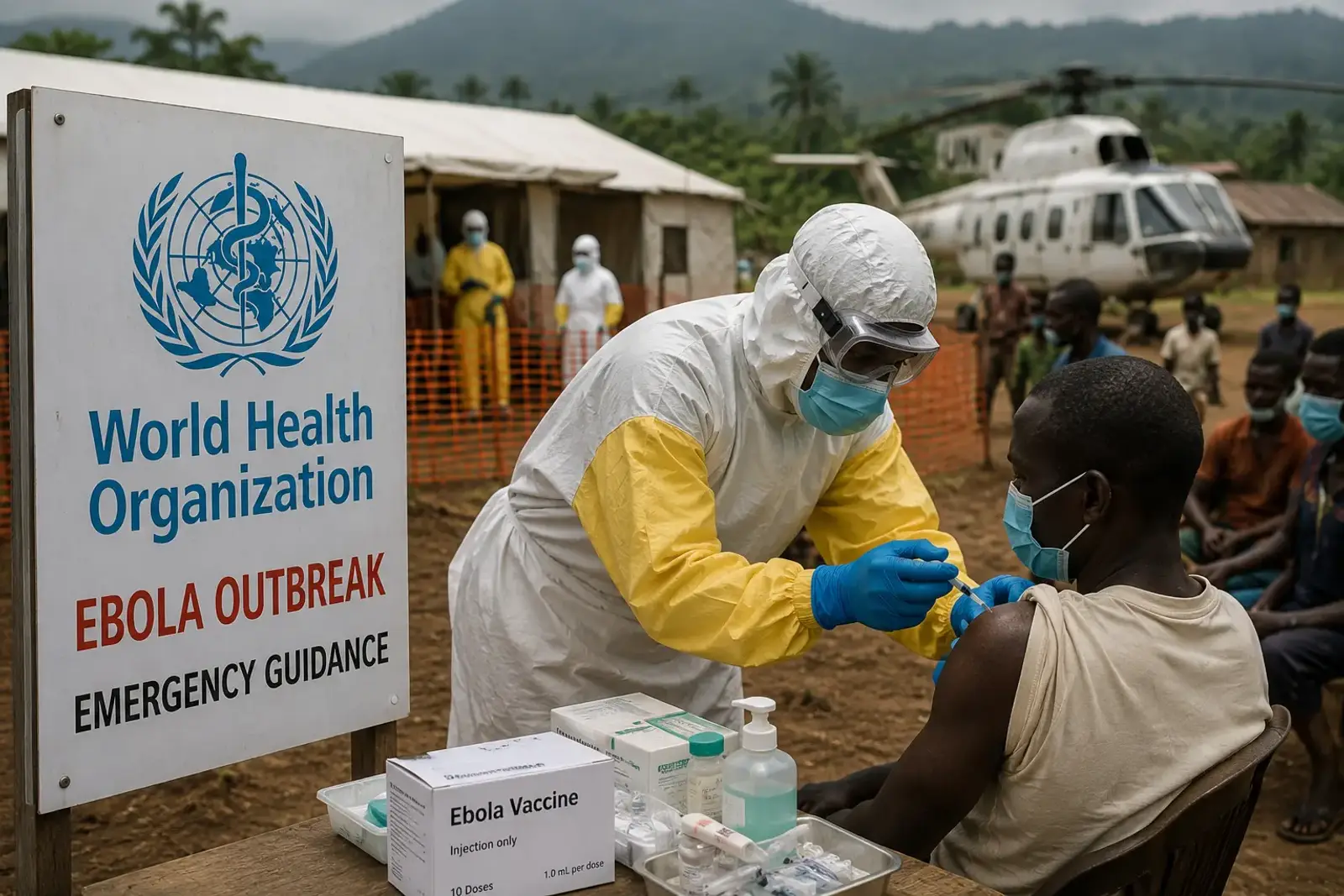
The WHO issued emergency guidance on using the Ebola vaccine Ervebo for Bundibugyo virus outbreaks strictly within research protocols due to limited human efficacy data, alongside a review of cross-border containment efforts in East Africa.
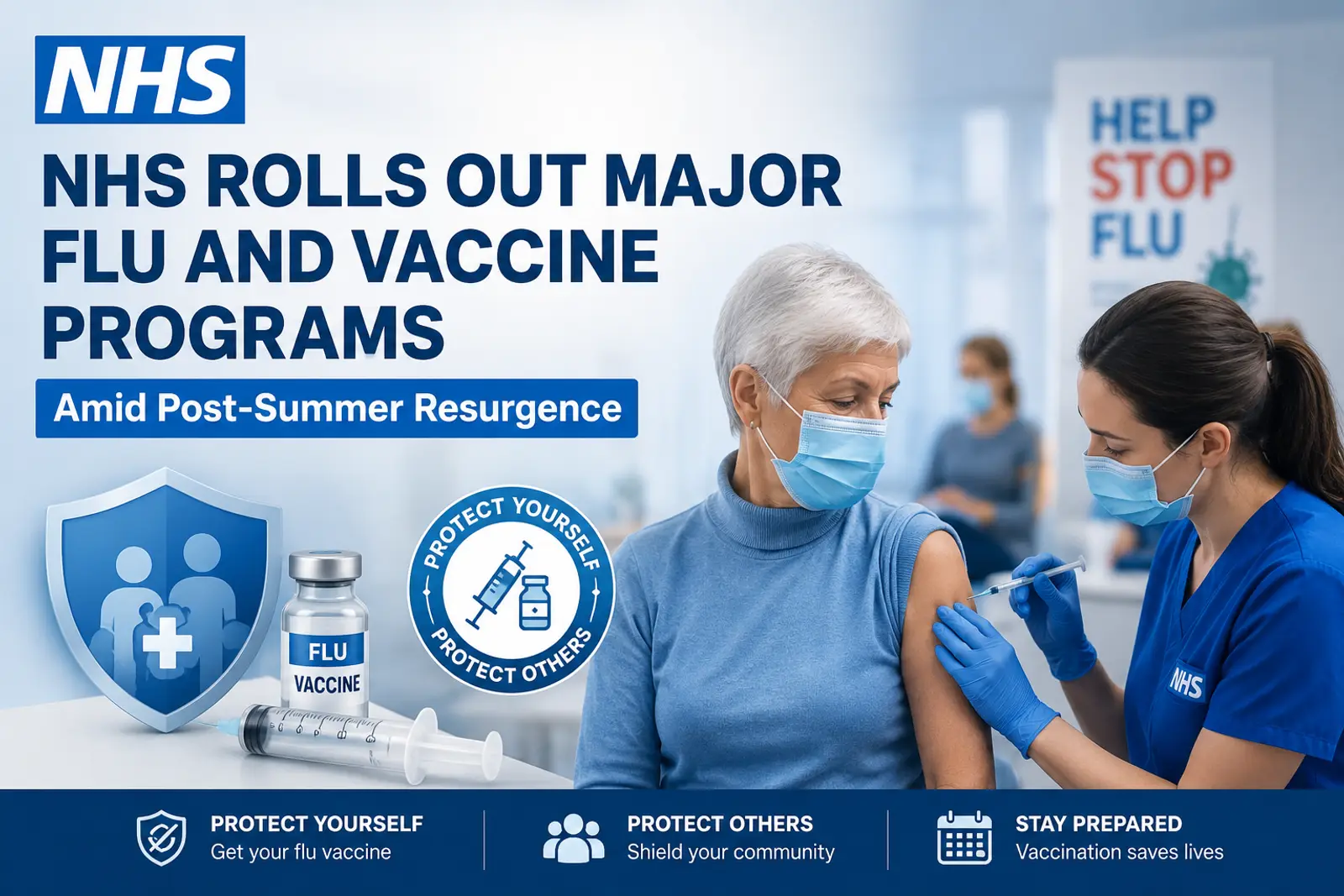
The NHS and UKHSA have launched early flu and expanded RSV vaccination campaigns following the busiest summer on record and lessons from last winter.
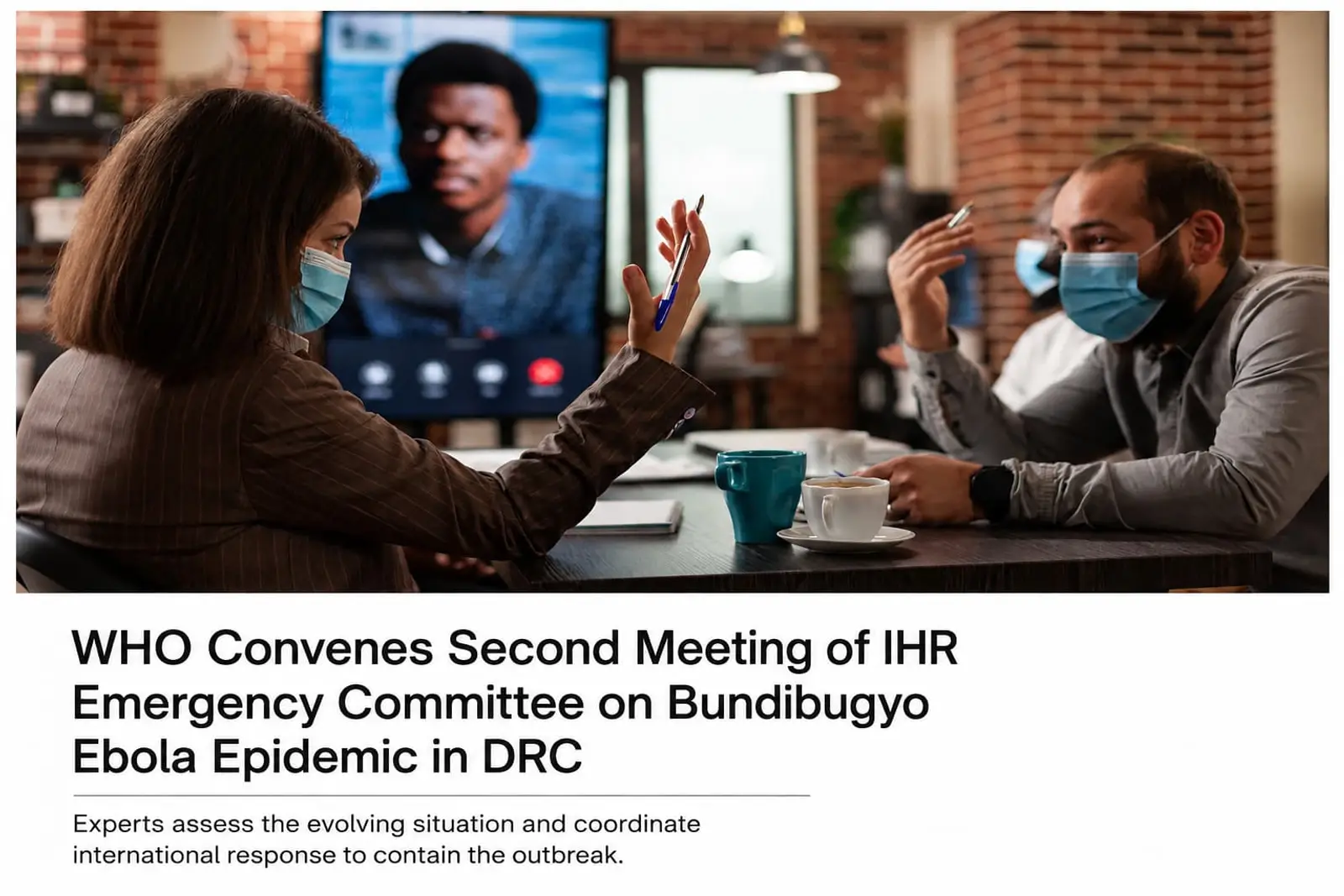
The WHO convened its IHR Emergency Committee to address the escalating Bundibugyo Ebola virus epidemic in the DRC, maintaining its PHEIC status amid severe conflict and under-reporting.

AstraZeneca and Ionis report that their gene-silencing heart drug eplontersen failed to significantly reduce cardiovascular events in a major cardiomyopathy trial.
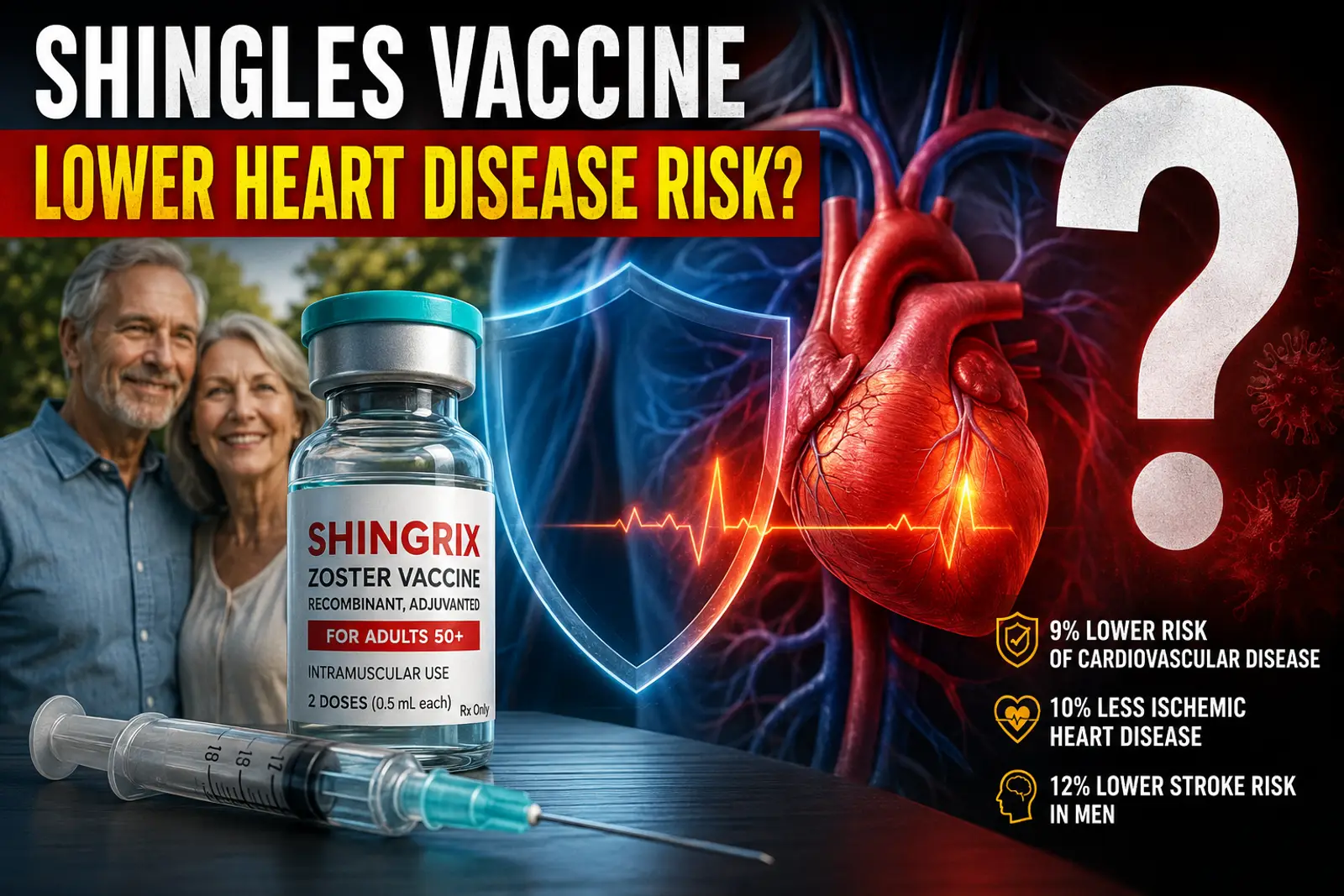
A study published in Nature Medicine links the Shingrix shingles vaccine to reduced cardiovascular risks, with a large randomized trial underway in Denmark.
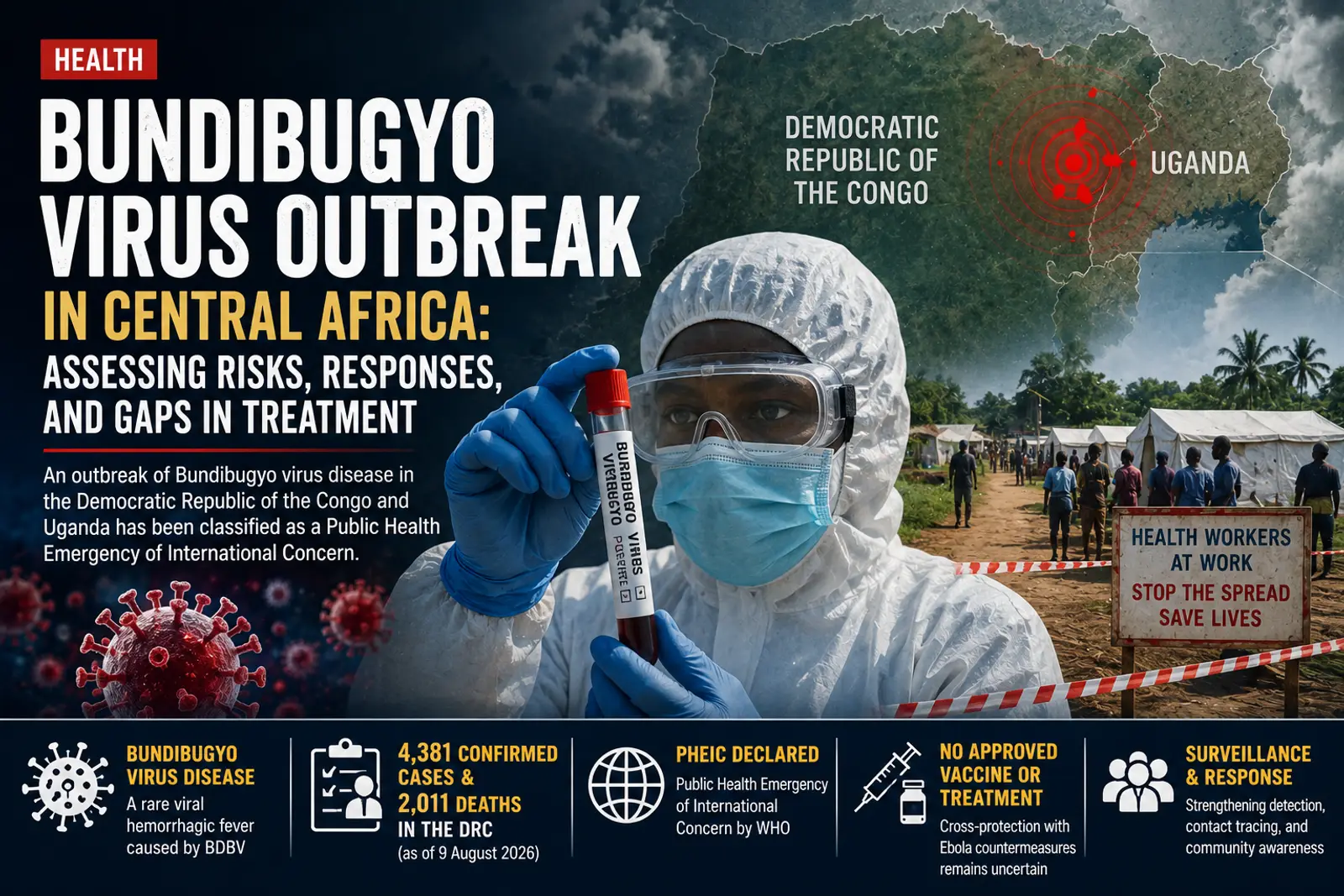
An outbreak of Bundibugyo virus disease in the Democratic Republic of the Congo and Uganda has been classified as a Public Health Emergency of International Concern, highlighting gaps in approved treatments and vaccine cross-protection.
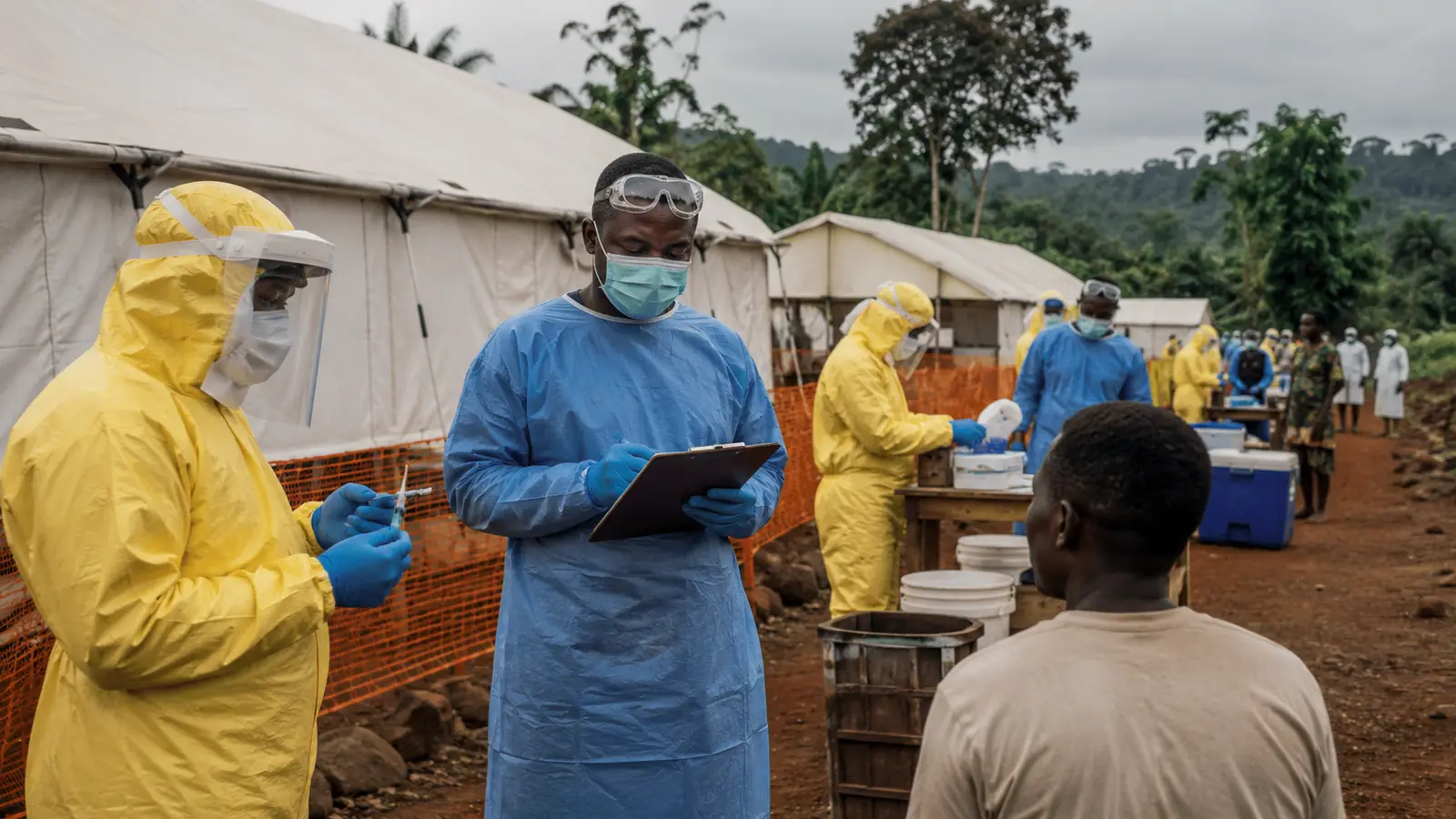
An examination of the Bundibugyo virus outbreak in the DRC, detailing delayed detection, clinical challenges, and international preparedness measures.

A major long-term study suggests that avoiding three key vascular risk factors in midlife is associated with nearly 13 additional years of life without dementia

England is rolling out specialized community mental health hubs to decentralize crisis care, ease NHS hospital pressures, and bridge gaps in primary services.