Addressing the rising tide of chronic illnesses requires more than aggregate national statistics; it demands a granular understanding of who bears the heaviest burden within societies. A comprehensive global assessment released by international health authorities reveals striking internal disparities in noncommunicable diseases and their associated risk factors. By examining how conditions such as diabetes and cancer distribute across different population groups, public health strategists hope to reshape interventions and ensure that vulnerable communities are not left behind in global health initiatives.
Assessing Global Noncommunicable Disease Disparities
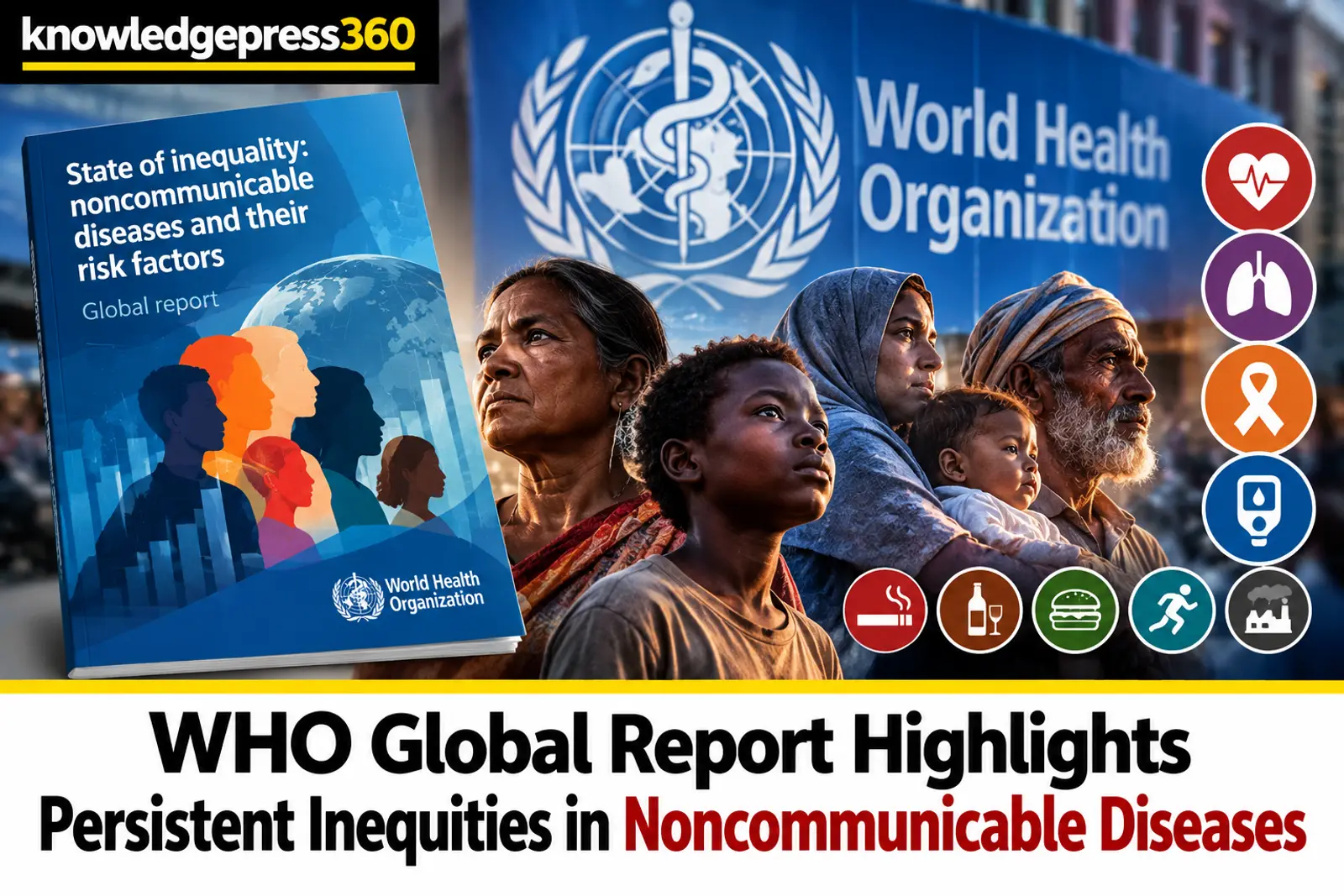
The World Health Organization published the global report 'State of inequality: noncommunicable diseases and their risk factors' on October 20, 2026, providing the most exhaustive evaluation of country-level health disparities to date. This extensive publication investigates how chronic conditions vary across distinct demographic segments within individual nations, moving beyond broad national averages that often mask internal inequities. Health systems worldwide frequently struggle to capture these localized discrepancies, making baseline data essential for identifying structural disadvantages and ensuring that targeted interventions reach populations experiencing the greatest disadvantage.
The document covers four major noncommunicable diseases: cancer, cardiovascular diseases, chronic respiratory diseases, and diabetes. Alongside these physiological illnesses, the assessment evaluates five major NCD risk factors: tobacco and alcohol use, obesity and unhealthy diets, insufficient physical activity, and air pollution. Pinpointing how exposure to these hazards clusters within specific populations allows health ministries to design far more precise prevention protocols and improve health outcomes across vulnerable demographic segments.
Translating Equity Evidence Into Action
To bridge the gap between academic data and practical policy implementation, the WHO published an accompanying advocacy brief titled 'The hidden inequalities behind noncommunicable diseases: from evidence to action.' This secondary document provides actionable guidance for policymakers seeking to translate equity metrics into targeted healthcare delivery and resource allocation. By emphasizing structural determinants of health, the brief encourages governments to restructure public health campaigns so they reach marginalized groups effectively.
The release of these materials coincides with broader systemic pressures, as health systems attempt to balance post-pandemic recovery with the relentless escalation of chronic disease burdens. Disparities in healthcare access and environmental risk exposure continue to generate preventable suffering, cementing inequality monitoring as an indispensable pillar of modern public health administration. Specialized expert panels and stakeholder consultations convened around the launch provide a platform for sharing successful intervention models from diverse geographic regions while navigating the long-term practical adoption rates of the advocacy brief.
Challenges In Granular Metric Adoption
Despite the depth of the baseline assessment, certain analytical challenges remain apparent for public health researchers and national administrators. Deep inspection of the comprehensive text is required to extract granular country-specific statistical metrics from the report, as broad regional overviews can obscure local realities. Furthermore, the long-term practical adoption rates of the advocacy brief remain subject to ongoing monitoring as national governments navigate competing budgetary priorities and administrative constraints.
Translating high-level equity recommendations into localized legislative and financial commitments demands sustained political will and robust health information systems. Many low- and middle-income nations face severe resource limitations when attempting to monitor internal health disparities continuously. Consequently, international collaboration and technical support are vital to ensure that health ministries can effectively utilize inequality data without overwhelming existing clinical infrastructure or neglecting disadvantaged communities.
Upcoming Policy Milestones And Webinars
Public health professionals and international stakeholders are now turning their attention toward upcoming dissemination events and formal policy evaluations. A webinar presenting key findings from the report is scheduled for October 22, 2026, featuring introductory remarks and a specialized panel of global experts from academic institutions, ministries of health, and philanthropic organizations. These discussions aim to unpack the practical implications of the findings and outline collaborative paths forward for national health strategies.
Subsequent evaluation efforts will measure whether this detailed baseline data successfully translates into targeted funding adjustments, legislative reforms, and measurable improvements in health equity. As nations work toward overarching international targets, monitoring the tangible impact of these equity-focused frameworks will determine whether global health progress finally reaches the most disadvantaged communities without leaving vulnerable populations behind.