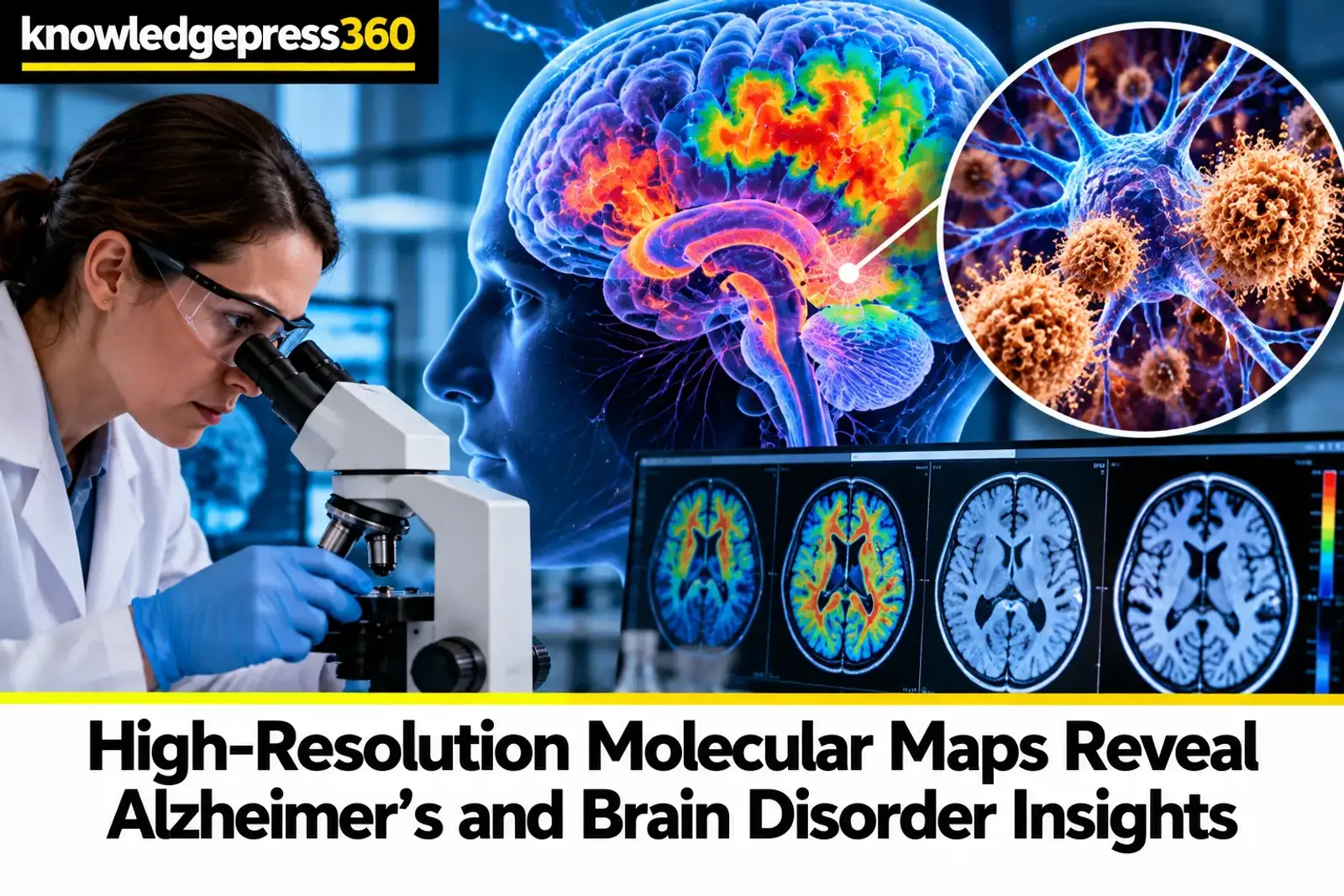
A historic turning point in translational neuroscience has arrived with the publication of the most extensive molecular maps of the human brain ever assembled. Released in a coordinated package across several Nature-family journals, including three flagship papers in Nature on September 23, 2026, the research provides a transformative look at single-cell gene activity within the human prefrontal cortex. This unprecedented resource matters profoundly because previous genomic investigations were typically restricted to small patient cohorts or isolated conditions, leaving critical gaps in our understanding of overlapping neurodegenerative and psychiatric pathologies. By scaling single-cell analysis to a massive population level, researchers have established a foundational framework designed to accelerate targeted drug discovery and precision medicine for millions of patients worldwide. Understanding the complex cellular architectures that govern cognitive decline opens entirely new avenues for diagnosing and treating debilitating brain disorders.
PsychAD Consortium maps prefrontal cortex
The monumental research effort was spearheaded by the PsychAD Consortium, a multidisciplinary partnership originally launched in 2019 with essential financial backing from the National Institutes of Health and the National Institute on Aging. Investigators focused heavily on the dorsolateral prefrontal cortex, a vital anatomical region responsible for executive functions, working memory, planning, and emotional regulation. To construct this cross-disorder atlas, the team examined tissue samples spanning a remarkably broad demographic, ranging from early infancy to 108 years of age. By applying advanced single-cell RNA sequencing techniques, the scientists successfully captured and cataloged gene expression data across more than 6.3 million individual cell nuclei. This rigorous methodology allowed the consortium to peer deep inside the microscopic machinery of the brain, observing how diverse cellular populations behave across a normal human lifespan.
Single-cell genomics reveals eight disorders
The overarching study examined a comprehensive cohort that included neurotypical control brains alongside samples from individuals diagnosed with eight major neurological and psychiatric conditions, encompassing Alzheimer’s disease, Parkinson’s disease, dementia with Lewy bodies, vascular dementia, tauopathy, frontotemporal dementia, schizophrenia, and bipolar disorder. By systematically comparing healthy tissue with pathological samples at single-cell resolution, the investigators identified distinct molecular programs as well as shared pathways driving neurodegeneration and cognitive decline. Neurons, glial cells, immune cells, and vascular cells all exhibited unique alterations in gene activity depending on the specific disease state. This granular mapping illuminates how different cell types coordinate or malfunction during the progression of complex brain illnesses, offering researchers concrete cellular targets that were previously obscured in bulk tissue homogenates.
Anatomical limits and translation challenges
Despite the remarkable breadth of these new atlases, significant scientific hurdles remain on the horizon. Uncertainties persist regarding how closely the molecular signatures and pathways observed in the prefrontal cortex translate to other anatomical regions across the central nervous system. Because different parts of the brain govern distinct physiological processes and exhibit varying vulnerabilities to neurodegeneration, additional large-scale regional mapping will be required to construct a truly holistic picture of brain pathology. Furthermore, translating these complex genetic datasets into clinically effective therapies presents a formidable challenge for pharmacologists and clinical researchers who must convert cellular observations into viable pharmaceutical interventions.
Next steps for translational neuroscience
Looking ahead, the scientific community anticipates subsequent analyses from the PsychAD Consortium exploring other critical areas of the human brain. Independent research groups around the globe are already beginning to utilise the newly published public databases to advance precision neurology and psychiatry. As pharmaceutical companies and academic laboratories begin leveraging these novel cellular targets, the scientific community will closely watch how these atlases translate into tangible diagnostic tools and therapeutic pipelines, ultimately bringing modern medicine closer to effective treatments for complex cognitive disorders.