Environment & Climate
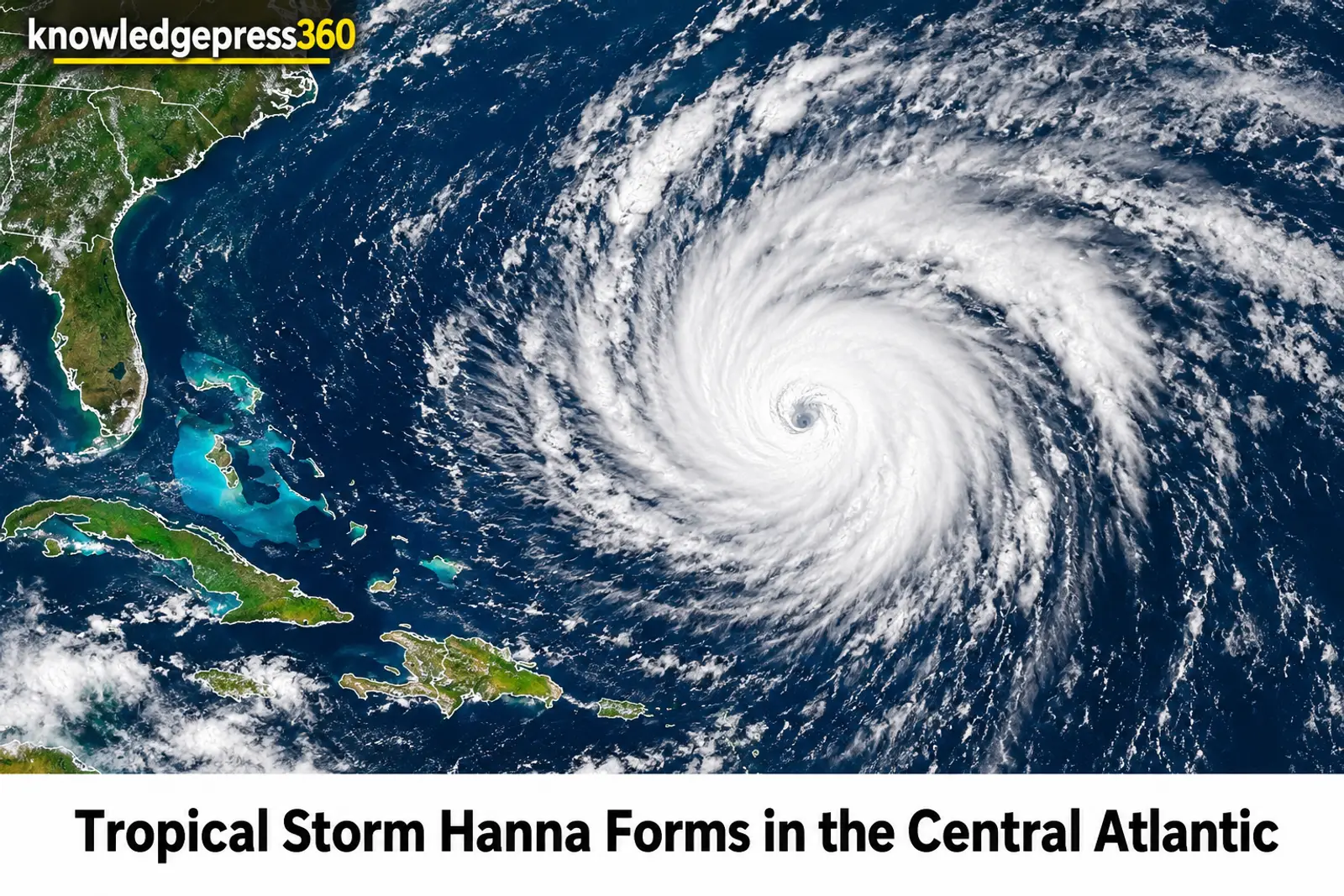
Tropical Storm Hanna Forms in the Central Atlantic
Tropical Storm Hanna formed in the central subtropical Atlantic as the eighth named storm of the season, posing no threat to land.
KnowledgePress section
Independent reporting and evidence-led analysis across environment & climate.
Tropical Storm Hanna formed in the central subtropical Atlantic as the eighth named storm of the season, posing no threat to land.
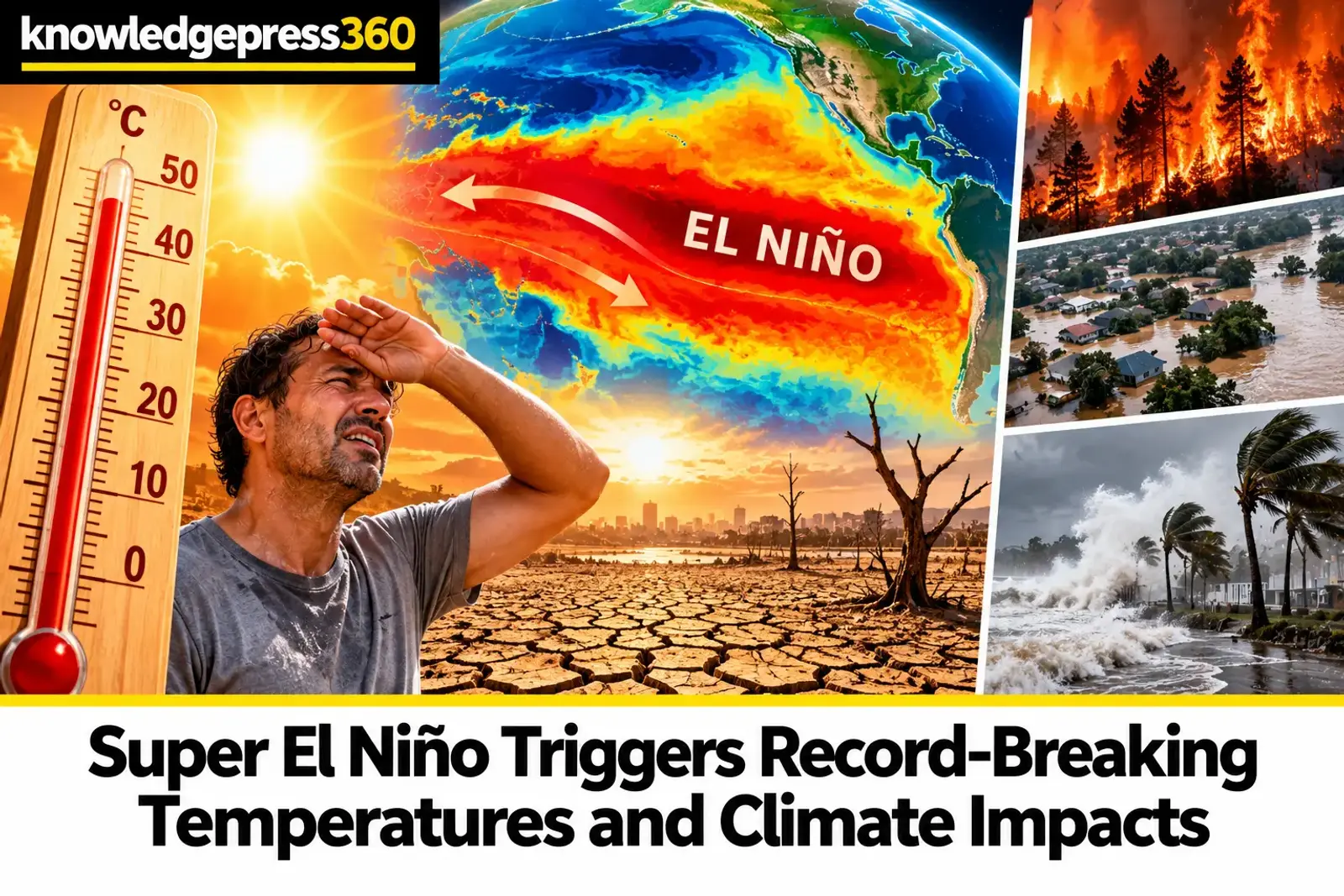
A powerful Super El Niño has shattered historical sea surface temperature records months ahead of its peak, driving urgent international concern.
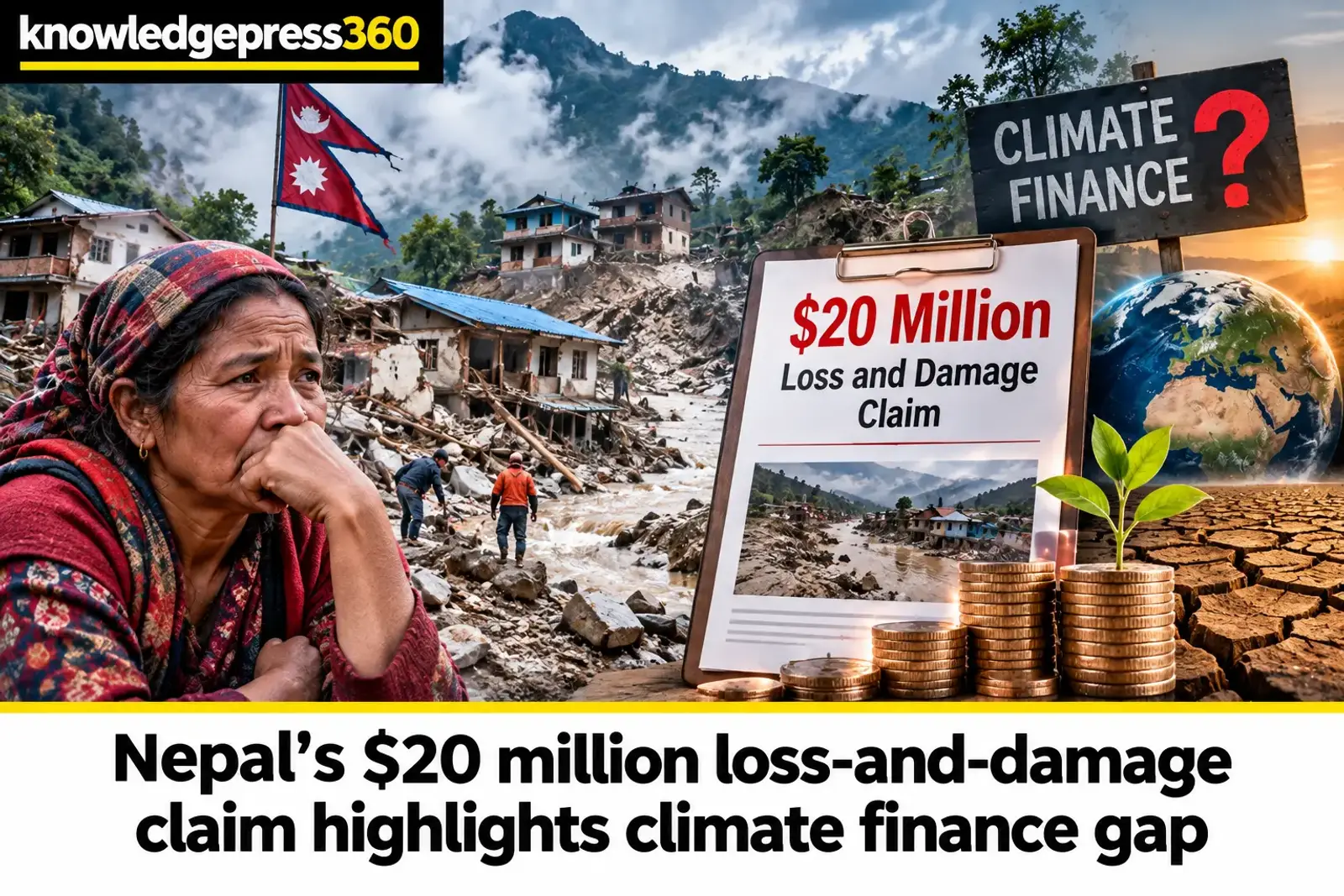
Nepal has asked the UN loss‑and‑damage fund for $20 million after floods that killed 1,400 people and caused $2.7 billion in damage, exposing a stark shortfall between developing‑country needs and donor pledges.

The 2026 super El Niño has reached unprecedented sea surface temperatures two months ahead of schedule, setting records in the tropical Pacific.

NOAA Fisheries announced the 2026 South Atlantic recreational red snapper season, featuring a three-day federal opening and state-specific exempted fishing permits.
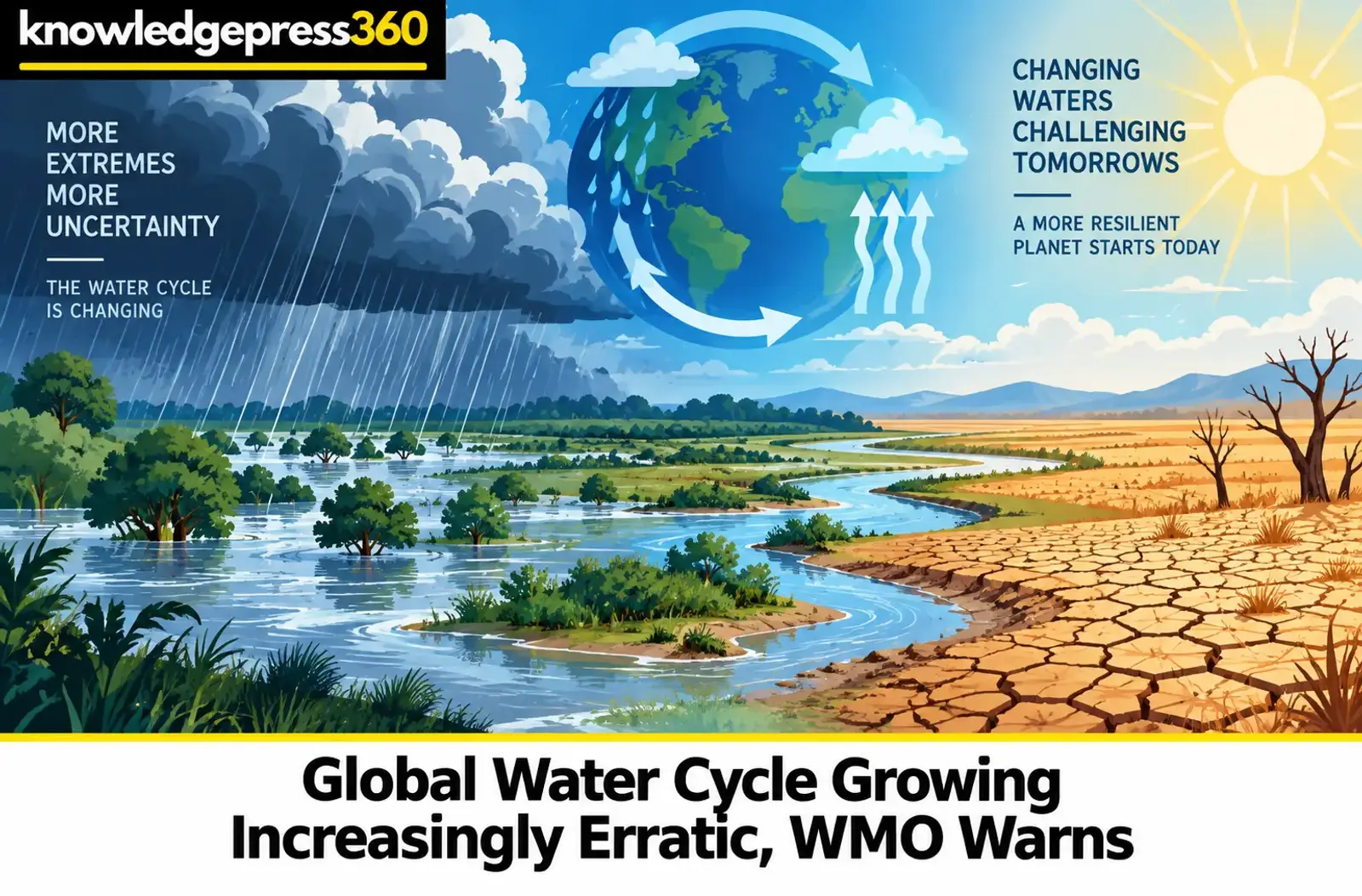
The WMO's State of Global Water Resources report warns that the global water cycle is growing increasingly erratic as long-term reserves deplete.
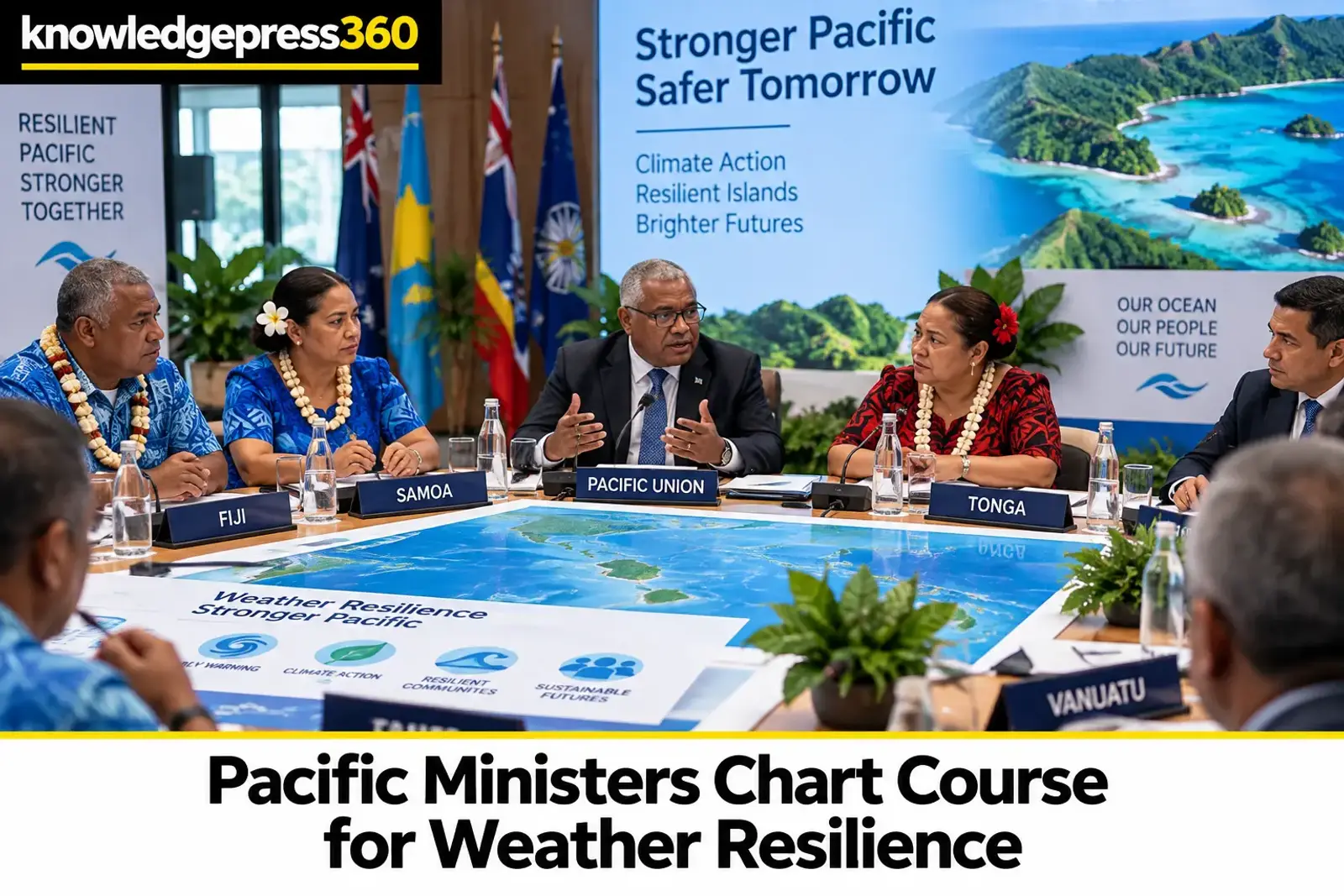
Pacific ministers convened in Tonga for PMMM-4 to adopt new climate strategies, address heavy economic losses, and strengthen early warning systems.
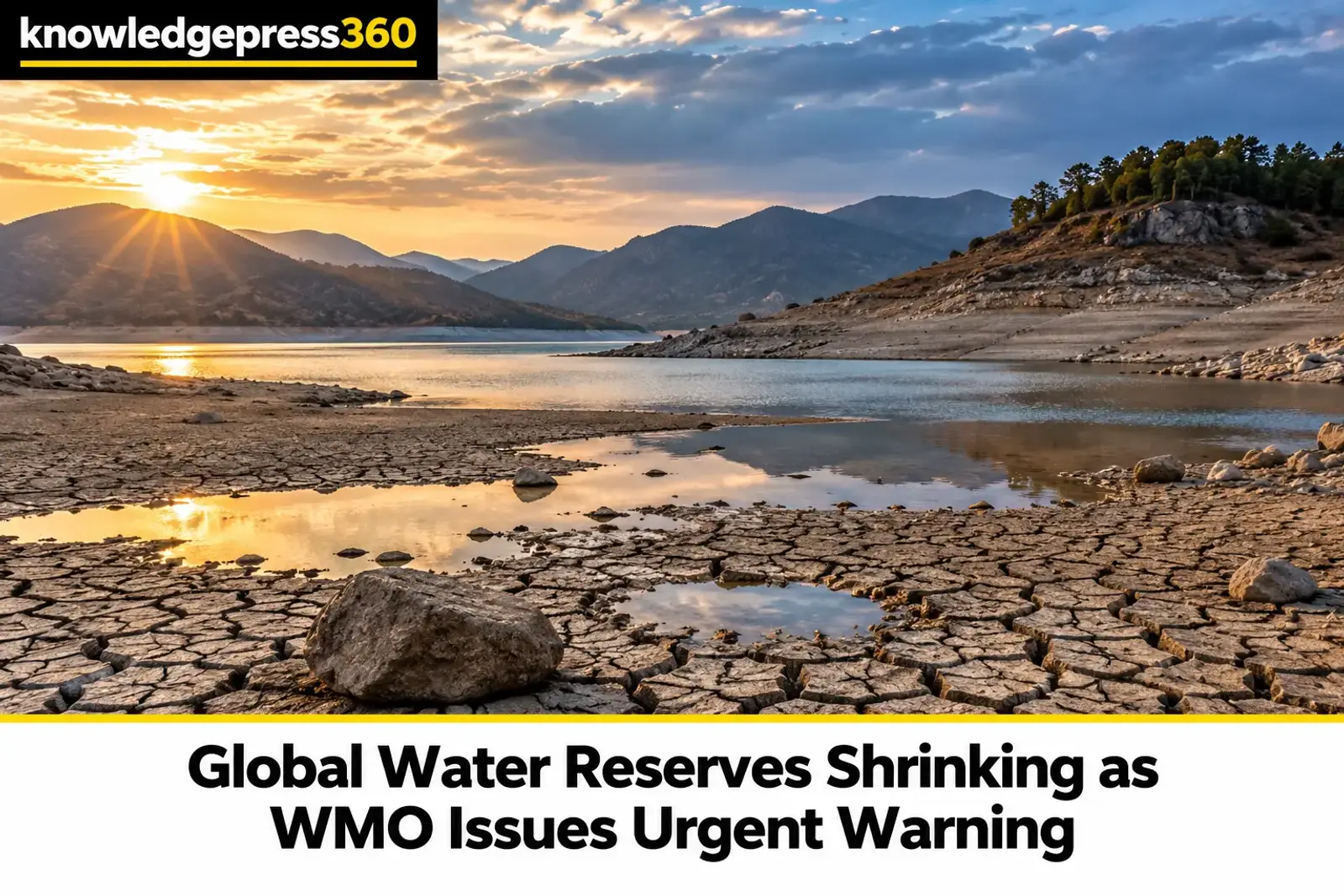
The WMO's 2025 report reveals shrinking global water reserves, declining river flows, and widespread groundwater deficits driven by climate change.
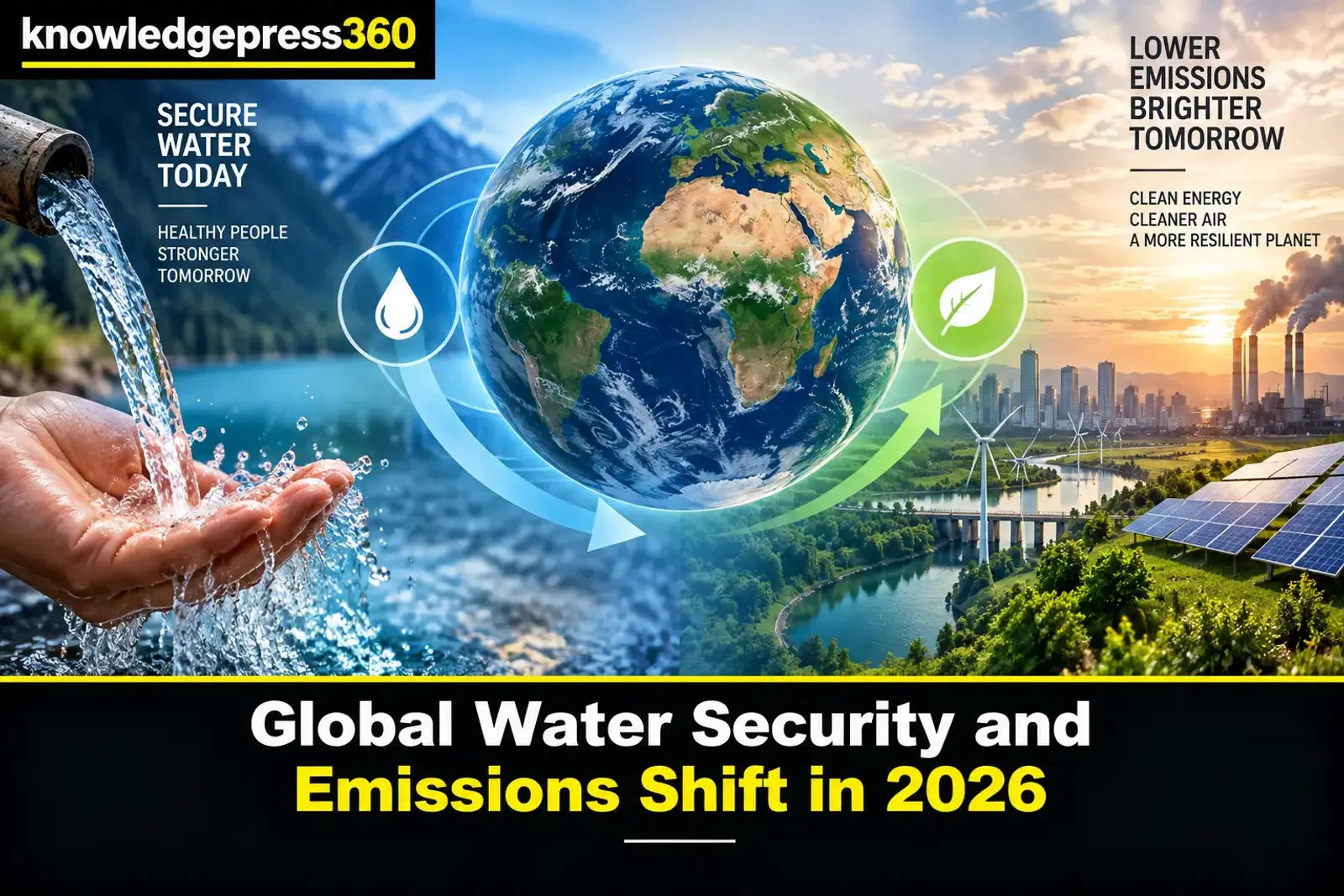
An examination of the 2026 WMO water report, record atmospheric vapour, and shifting global energy emissions amid geopolitical disruptions.

India's power-sector emissions remained flat from 2024 to 2026 due to a massive solar surge, though industrial emissions continued to rise.
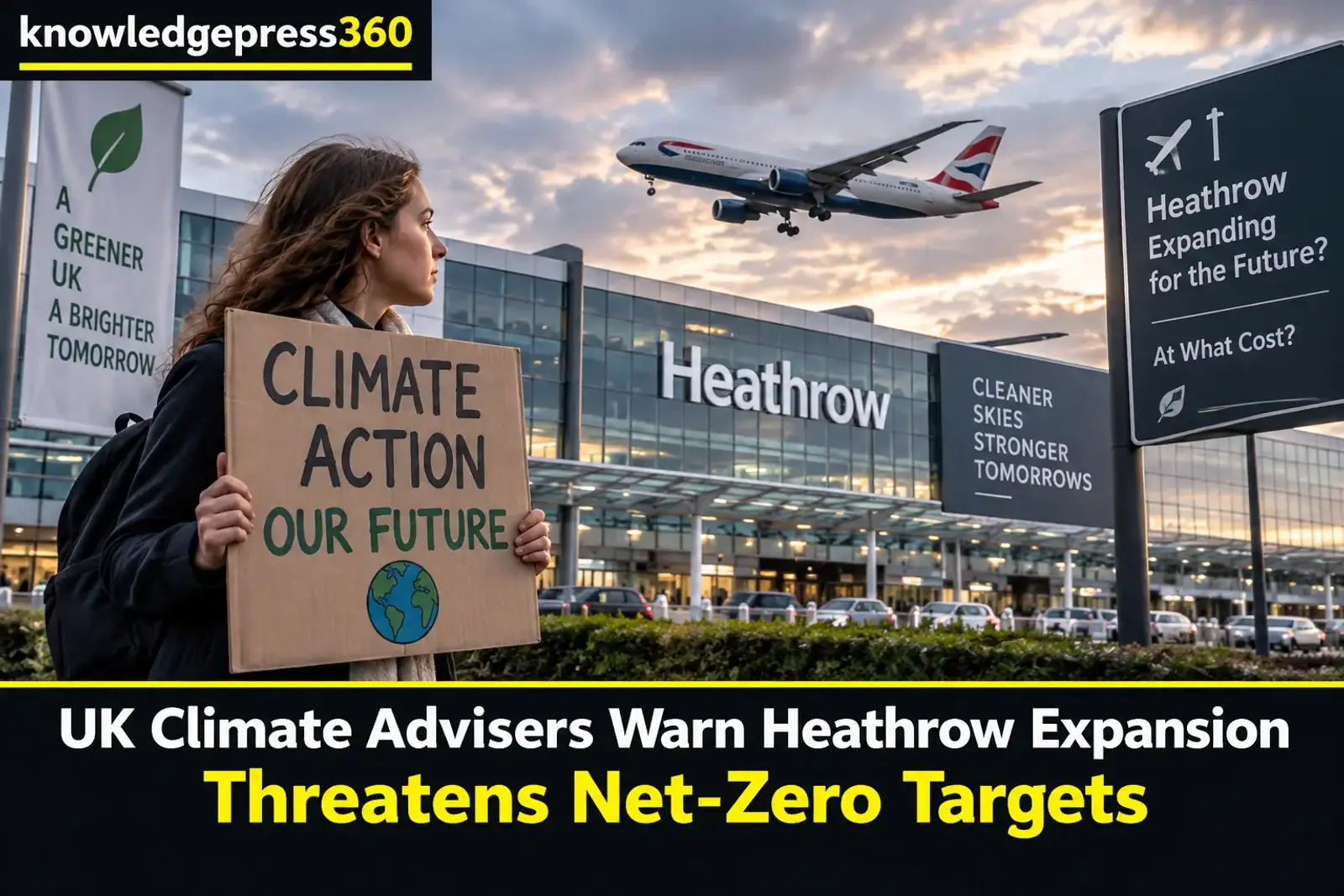
The UK Climate Change Committee warns that expanding Heathrow Airport is incompatible with net-zero goals, as aviation emissions could reach 80% of the national total by 2050.
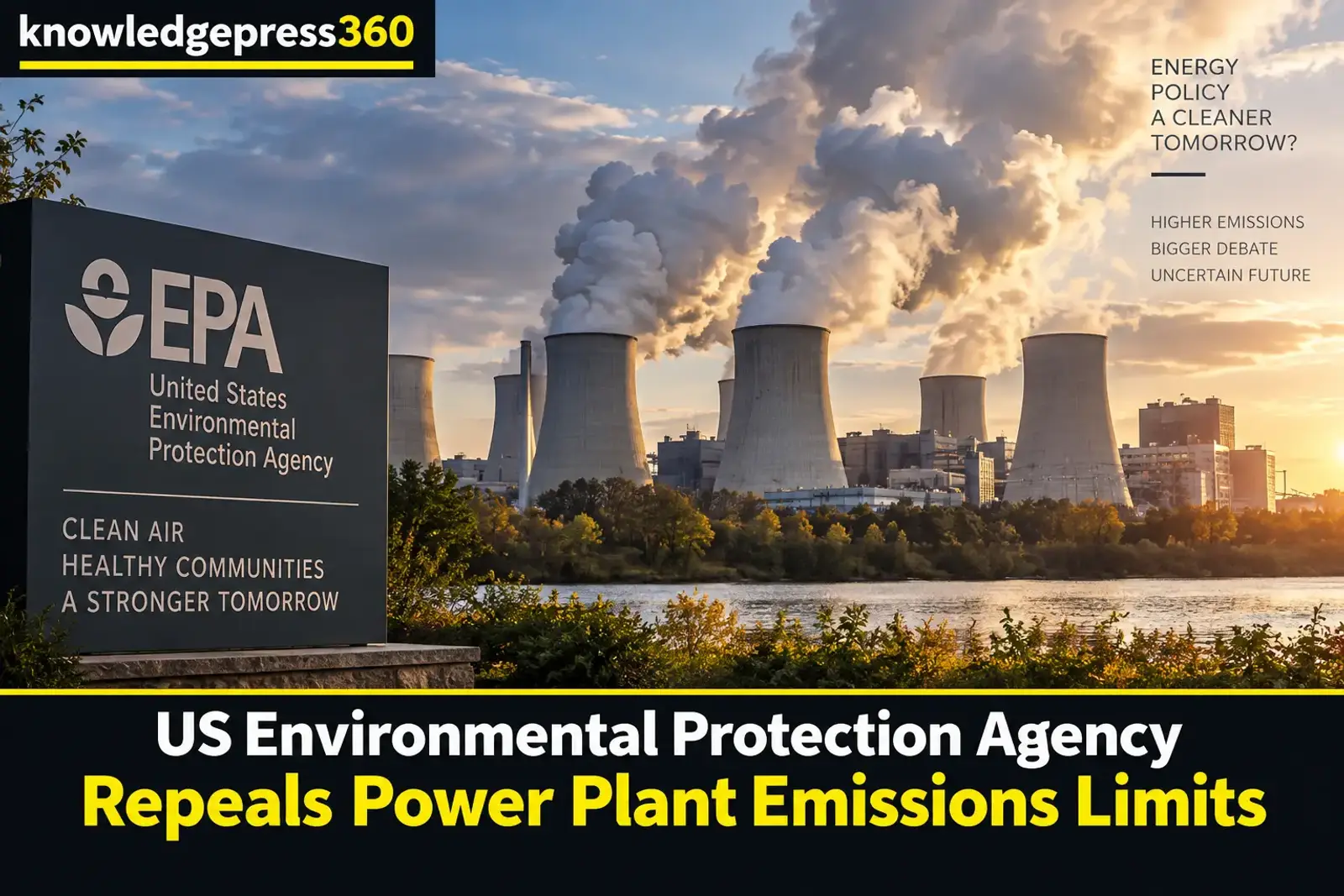
The EPA announced the repeal of greenhouse gas emission limits for coal- and gas-fired power plants, sparking legal challenges and industry debate.
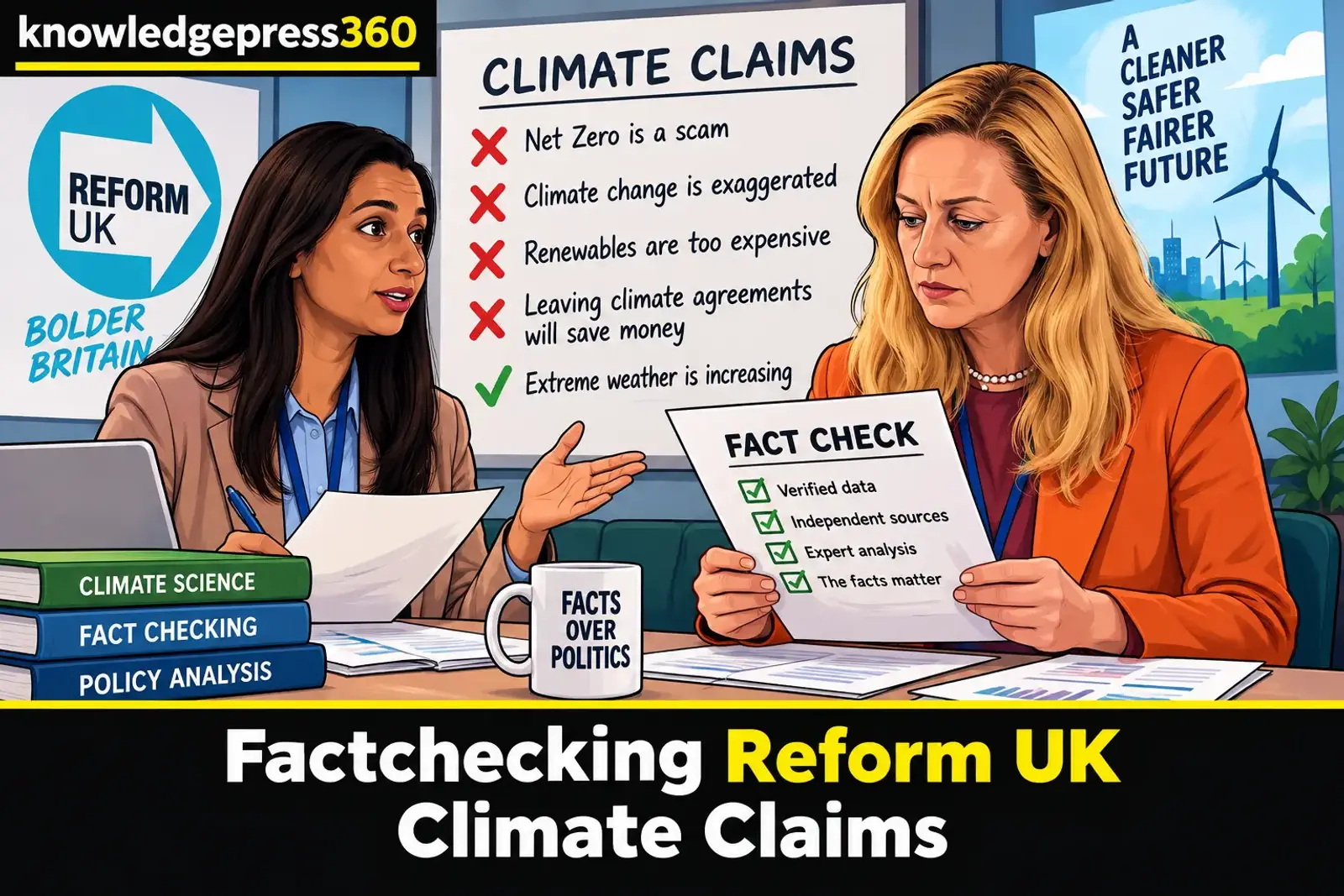
Carbon Brief factchecks 45 false or misleading climate and energy claims made by Reform UK leaders Nigel Farage and Richard Tice.

The World Meteorological Organization confirms Earth experienced its hottest August on record in 2026, tied with July 2023.
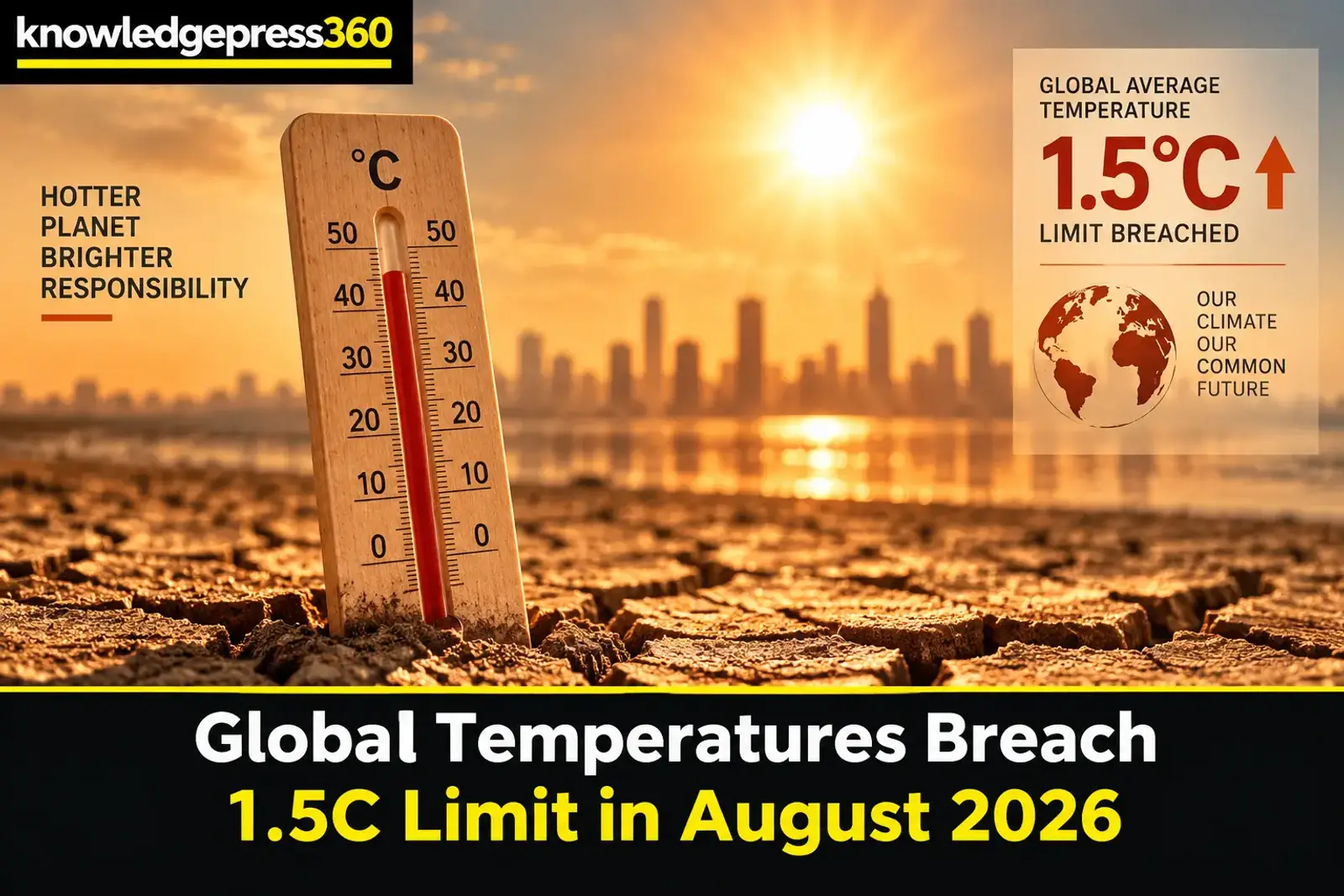
Global surface air temperatures reached 16.96°C in August 2026, tying July 2023 as the hottest month on record and breaching the 1.5°C threshold.
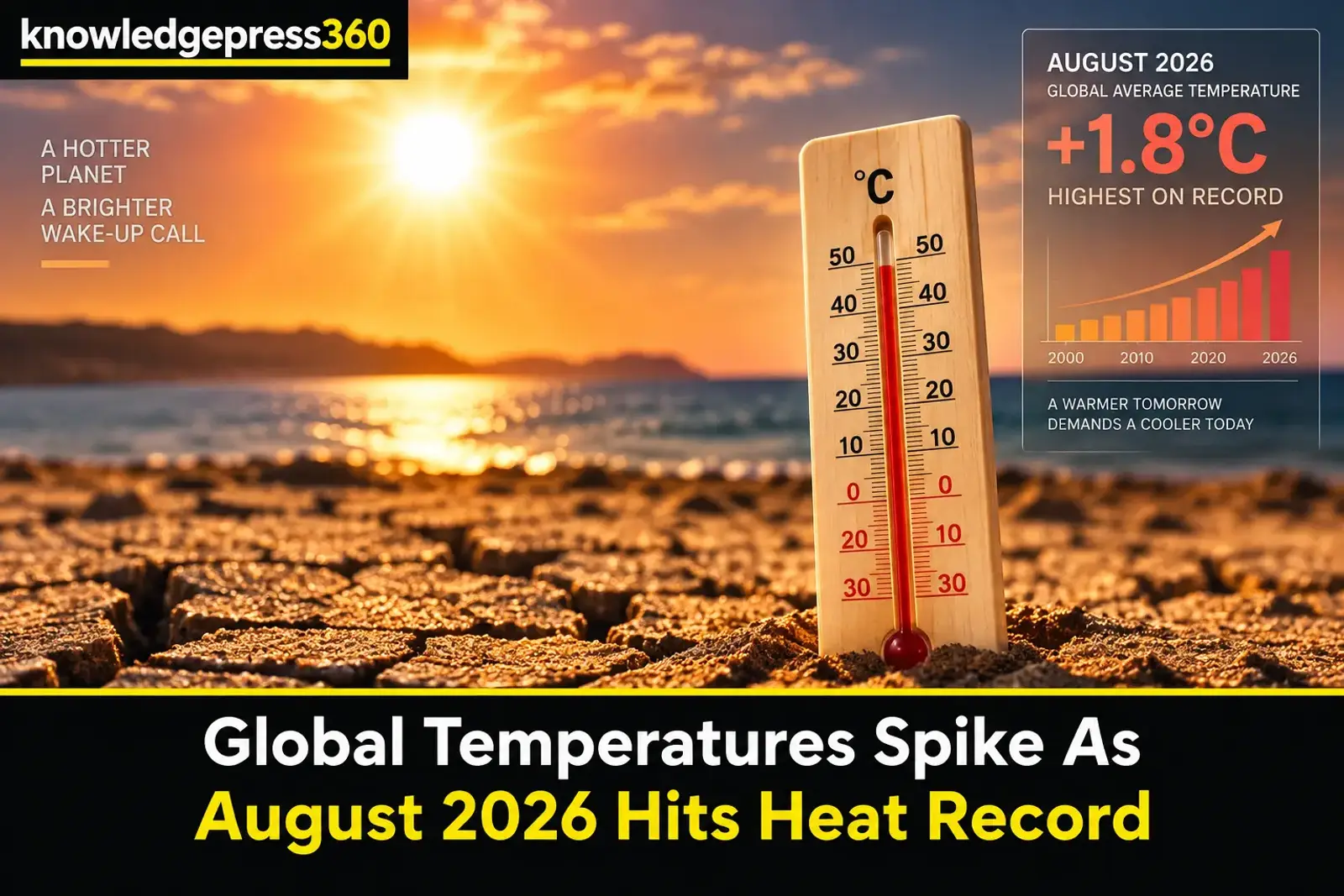
Copernicus reports August 2026 was the world's joint-hottest month, pushing global temperatures 1.65°C above pre-industrial levels.
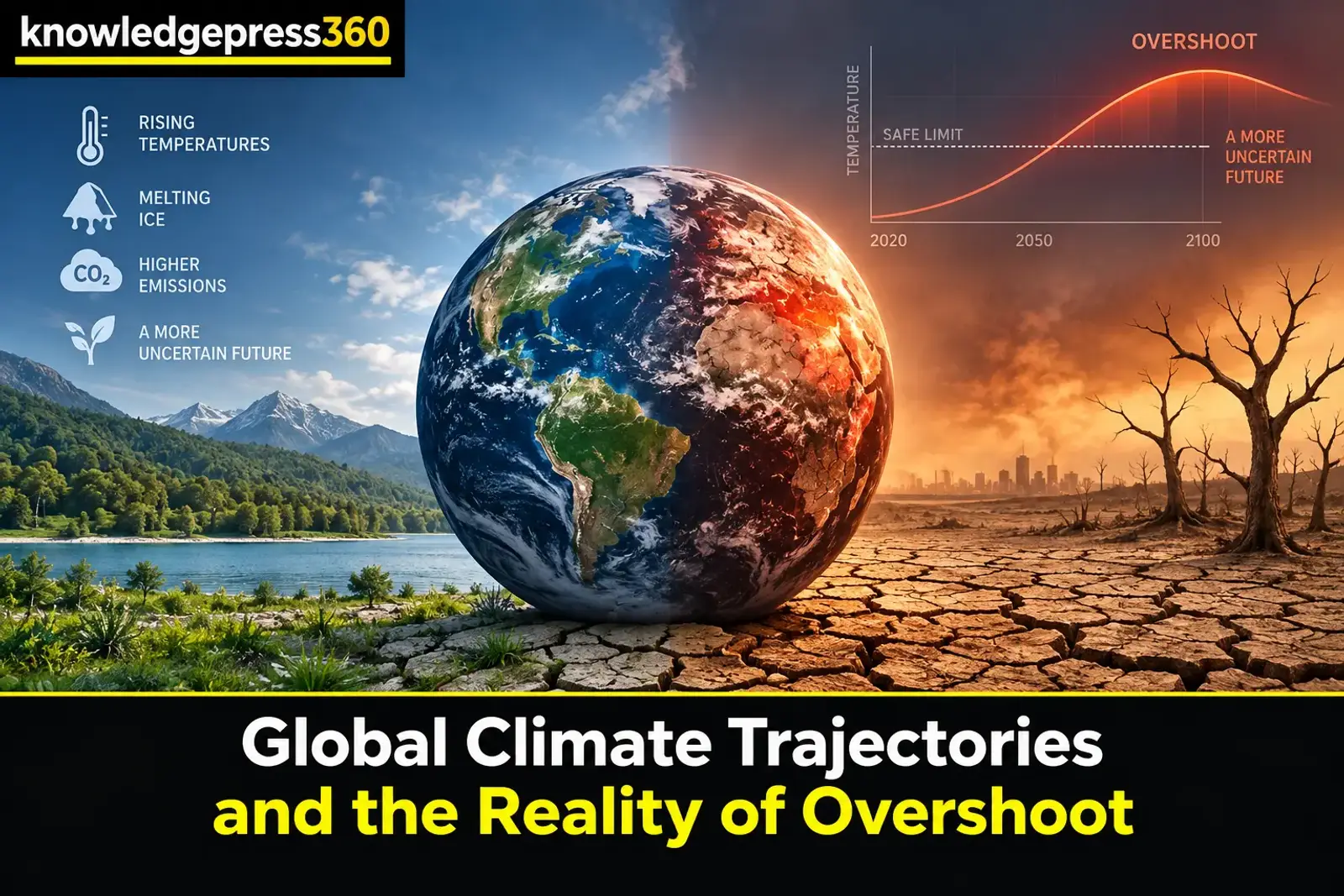
Recent UN and WMO reports warn that global warming will likely exceed the 1.5°C target, necessitating urgent adaptation and early warning systems.

Nepal demands climate justice and $20 million in compensation from major polluters following a deadly glacial flood that killed over 1,300 people.
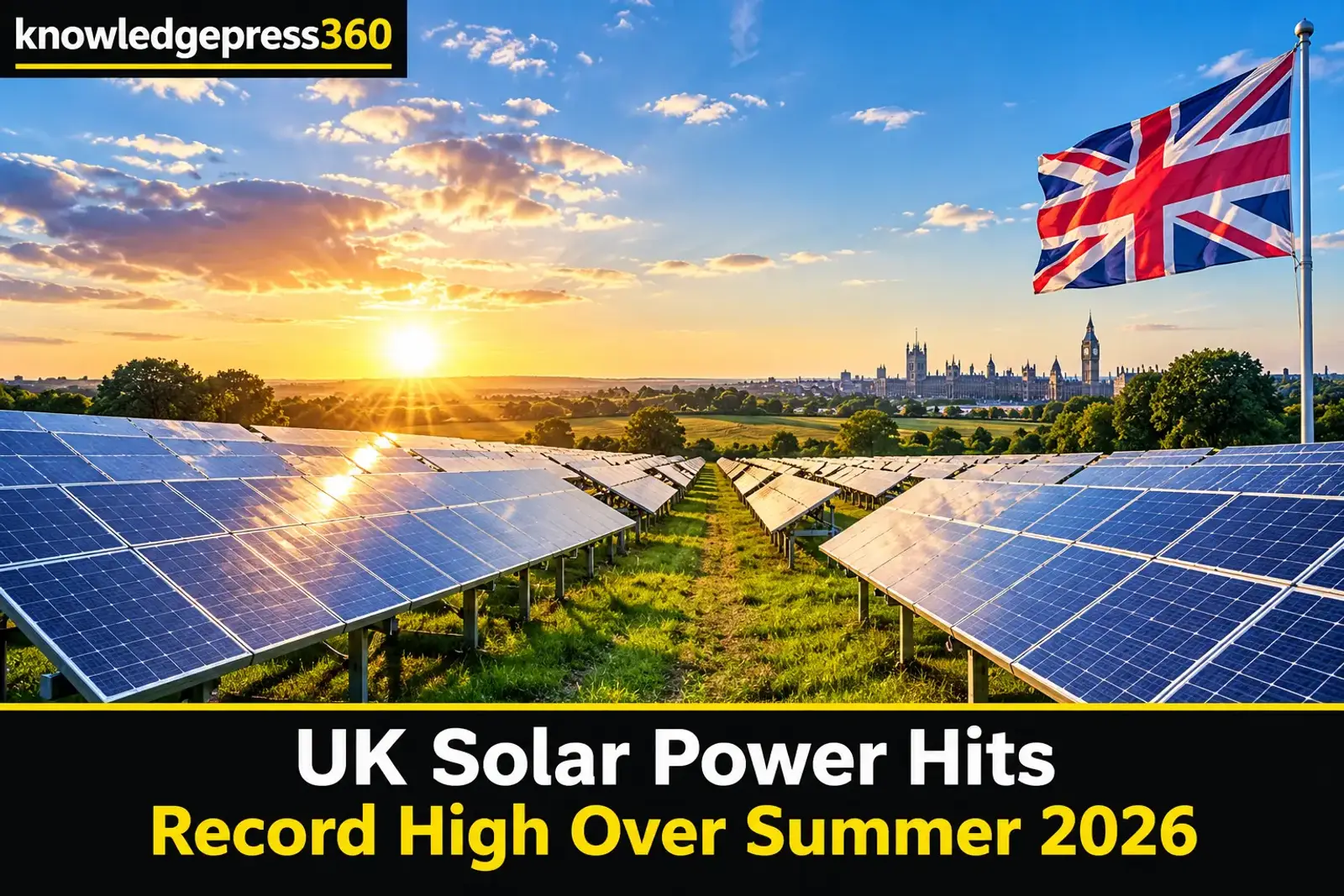
UK solar power generation surged to a record 8.8 TWh over the summer of 2026, driven by intense sunshine and rapid capacity expansion.
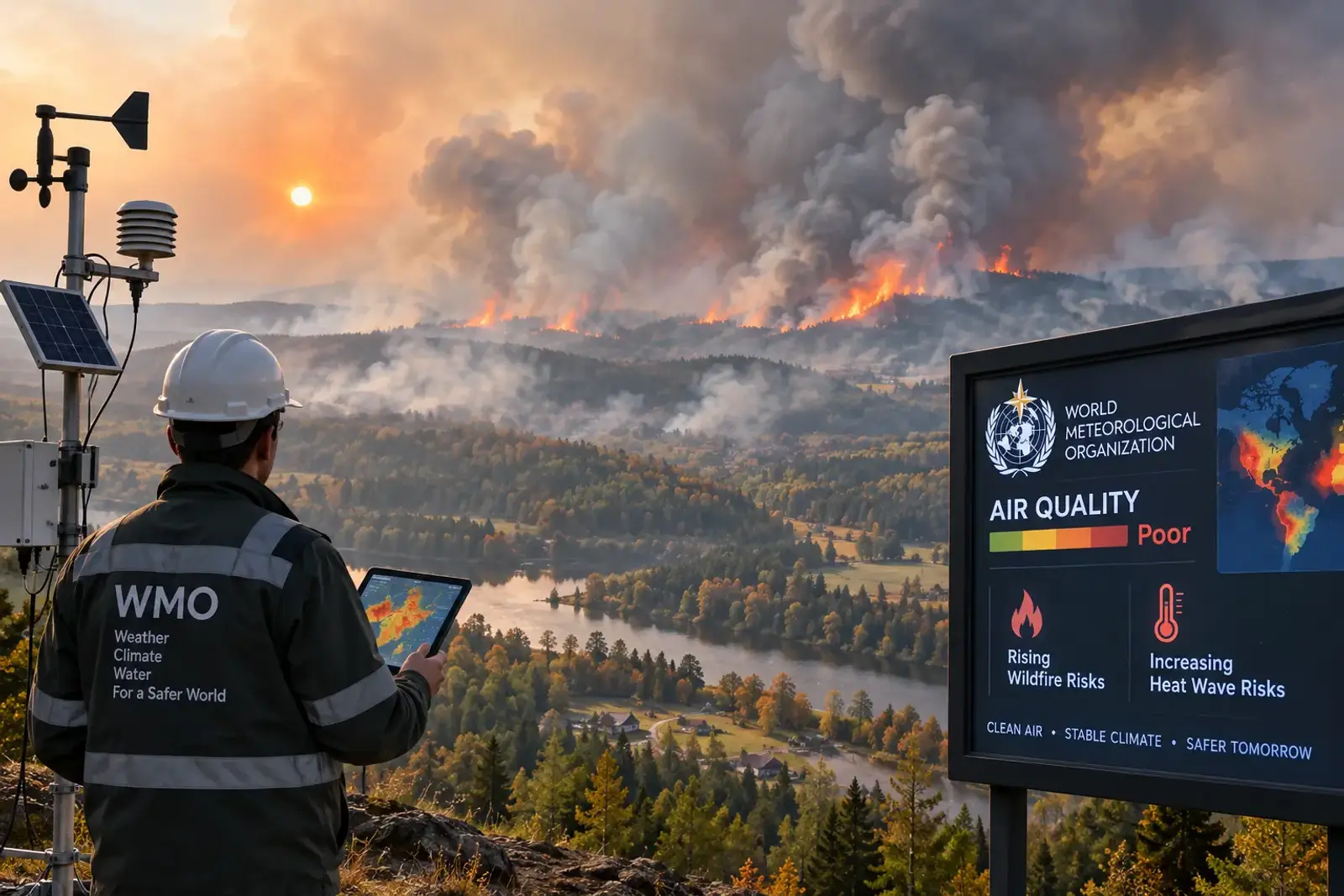
The WMO Air Quality and Climate Bulletin No. 6 warns that rising wildfires and heat waves are threatening global air quality and health gains.
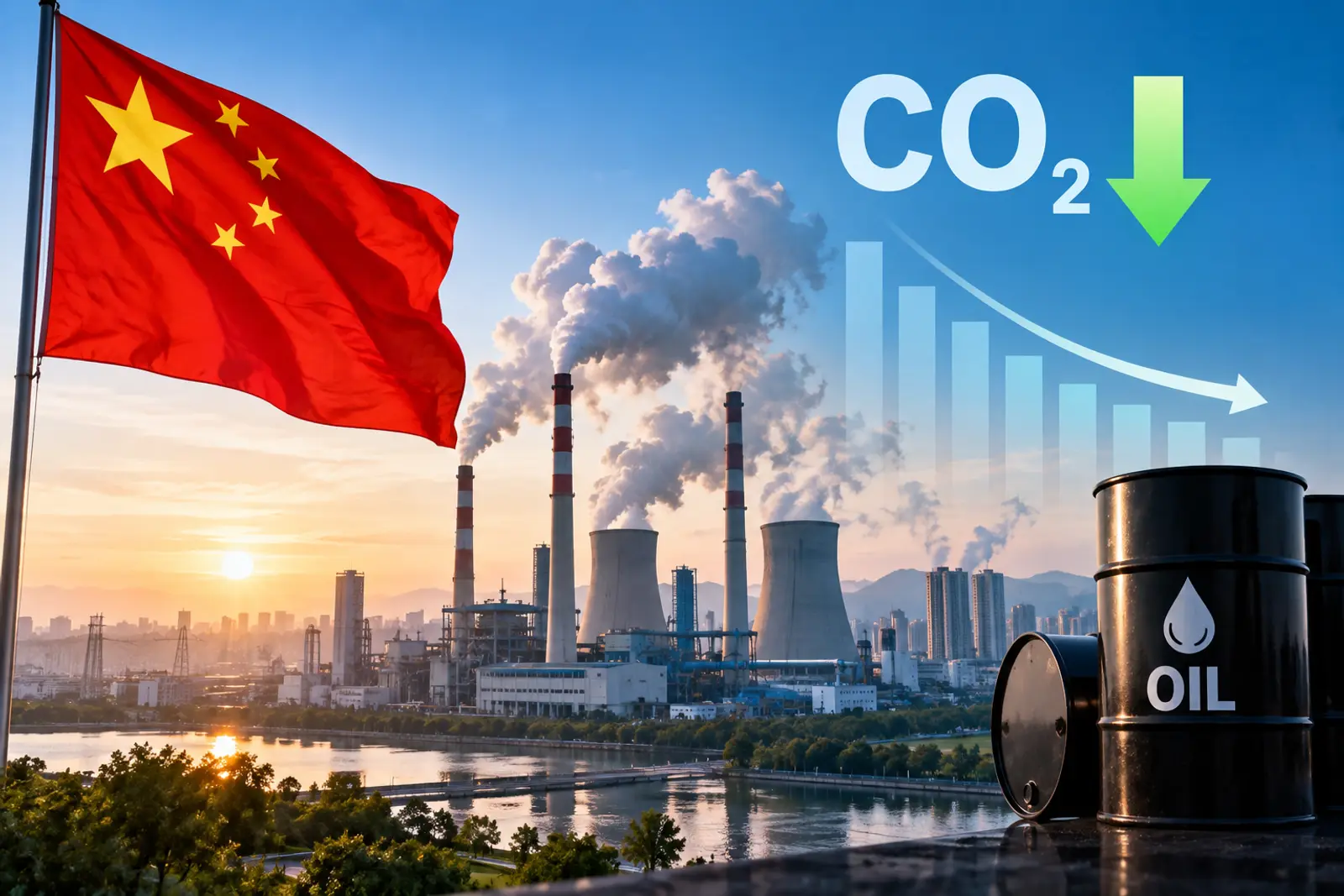
China's CO2 emissions fell by 1% in Q2 2026 due to a 9% drop in oil use, driven by Middle East shipping disruptions and rapid EV adoption.
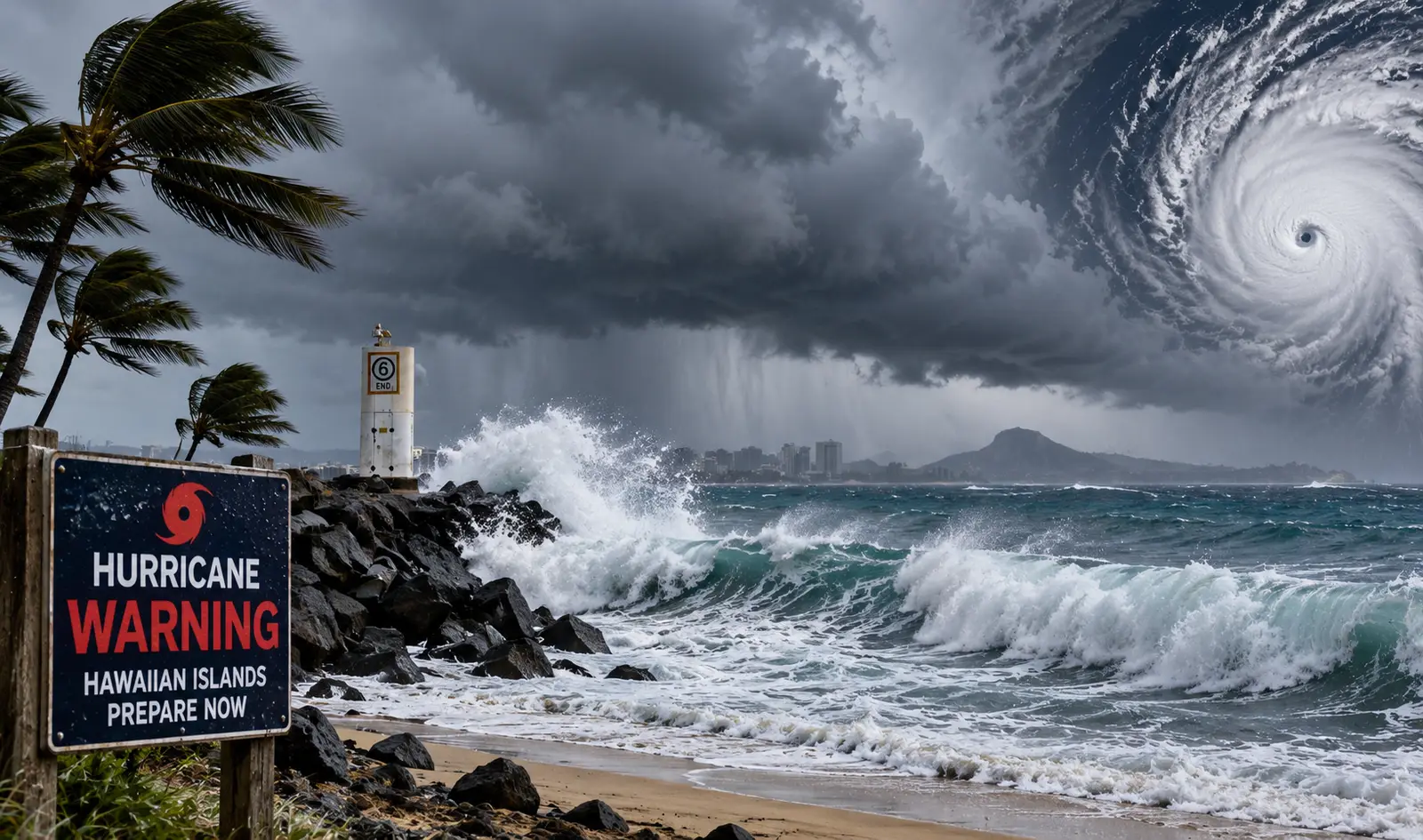
Hurricane Lowell has regained Category 5 strength with 160 mph winds and a 922 mb pressure, threatening Hawaii with heavy rain and high swells.
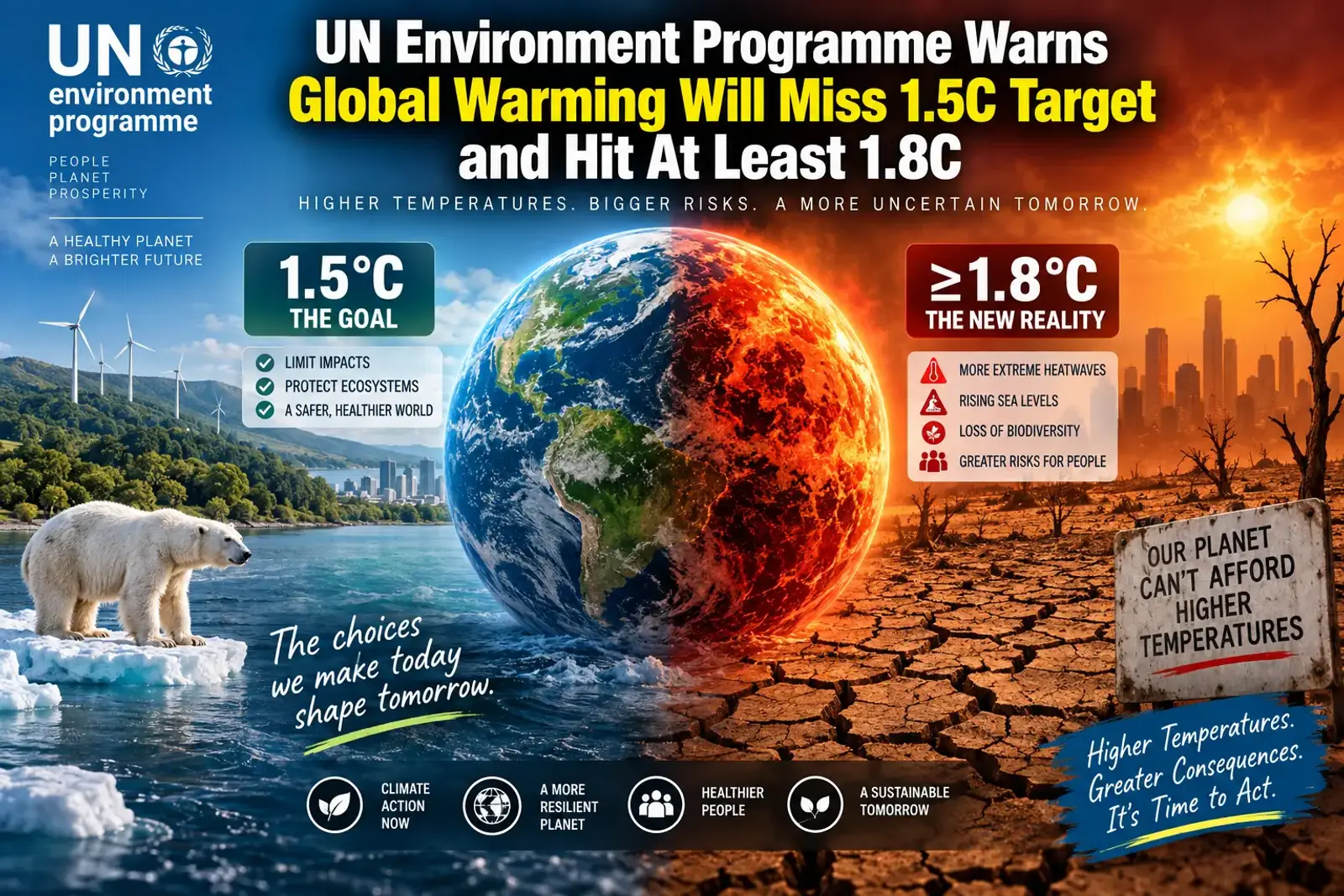
A UN Environment Programme report warns global warming will reach at least 1.8°C, overshooting the Paris Agreement 1.5°C target and requiring carbon removal strategies.
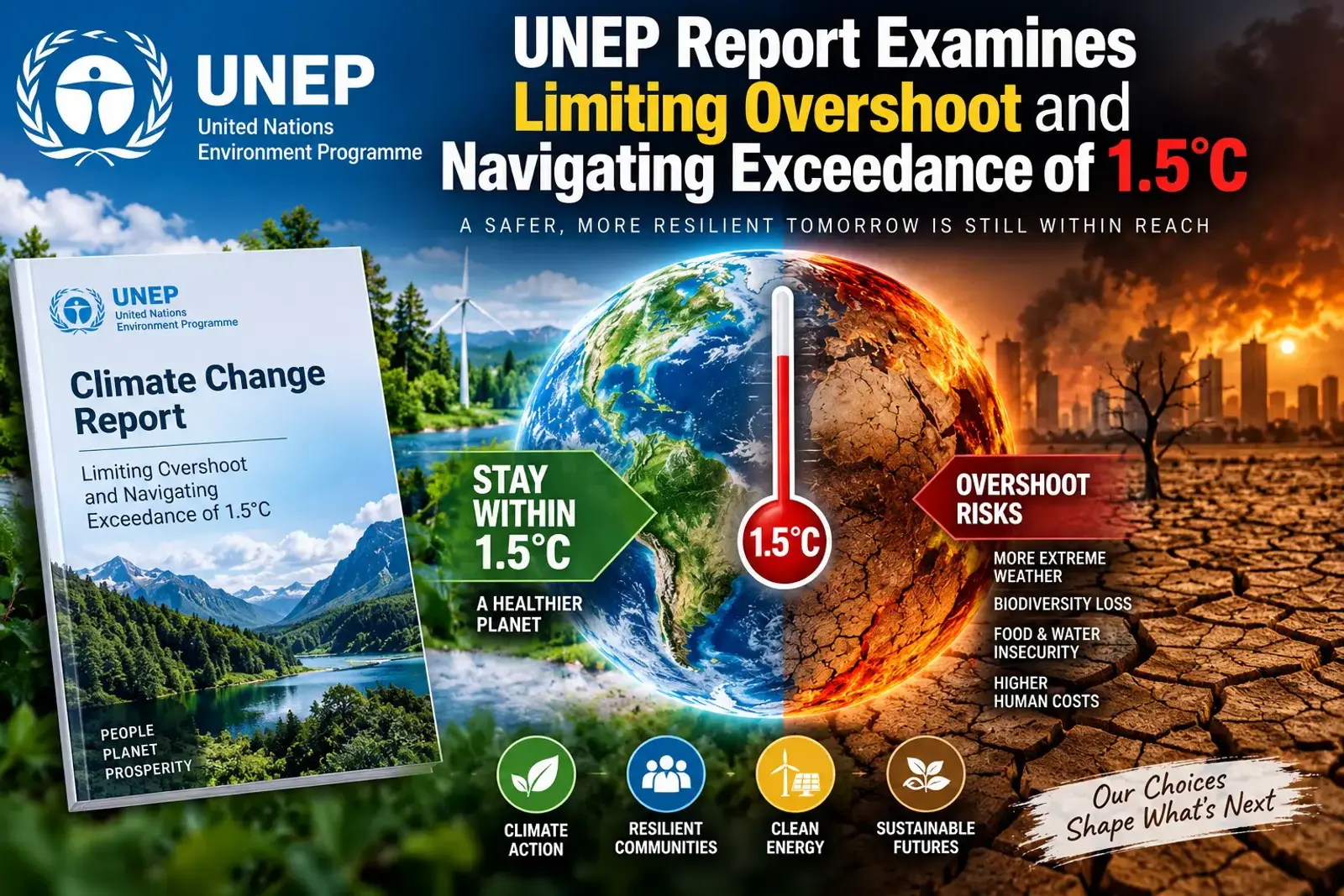
A new UNEP report warns that global warming is set to exceed 1.5°C, detailing severe ecological impacts and sparking intense policy debates.
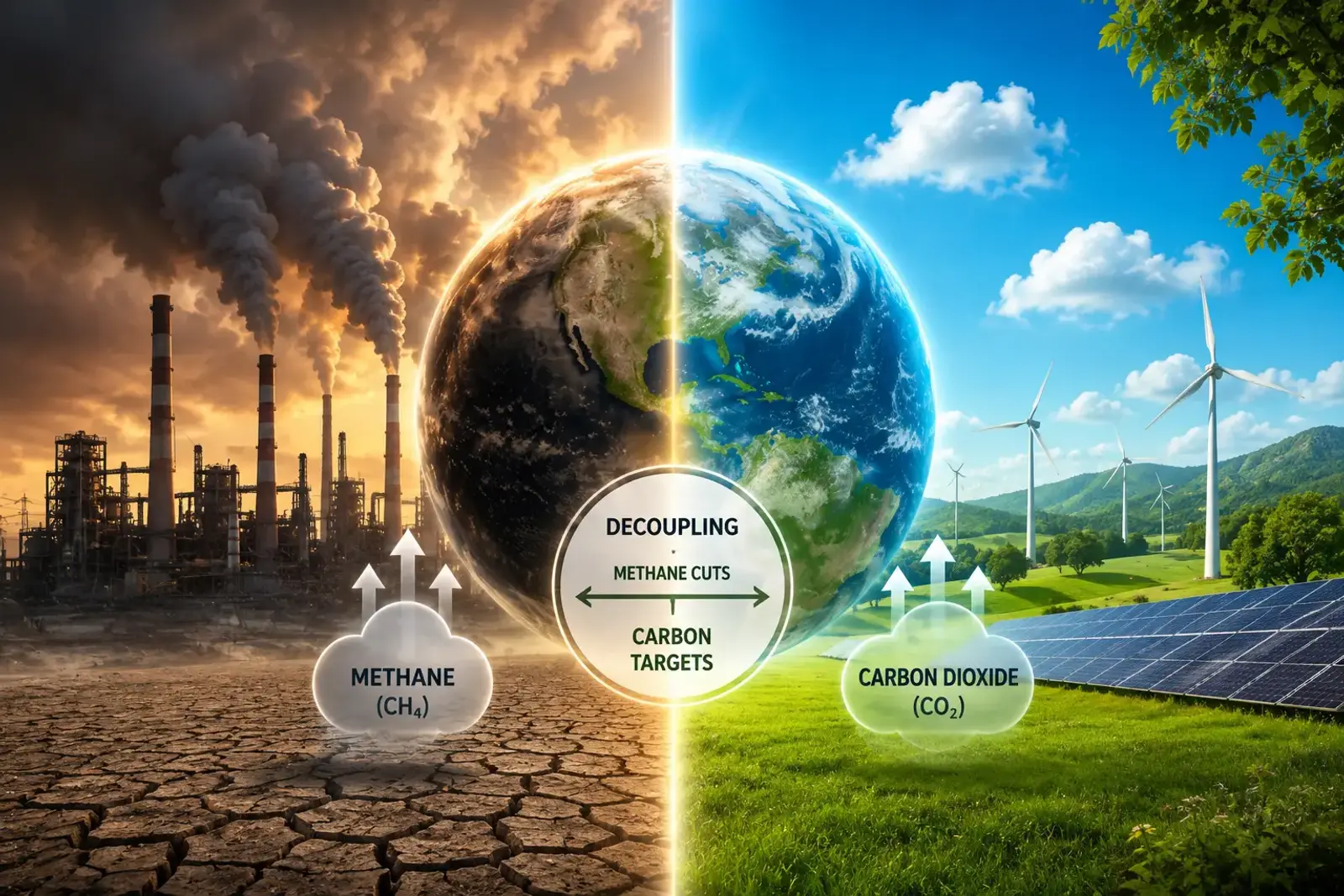
Recent studies and UN data reveal that stringent methane cuts are vital to prevent global warming from exceeding 1.85°C, even under net-zero carbon targets.

A comprehensive look at the new CMIP7 emissions scenarios, their downward revision of high-end global warming projections, and their interplay with regional droughts.
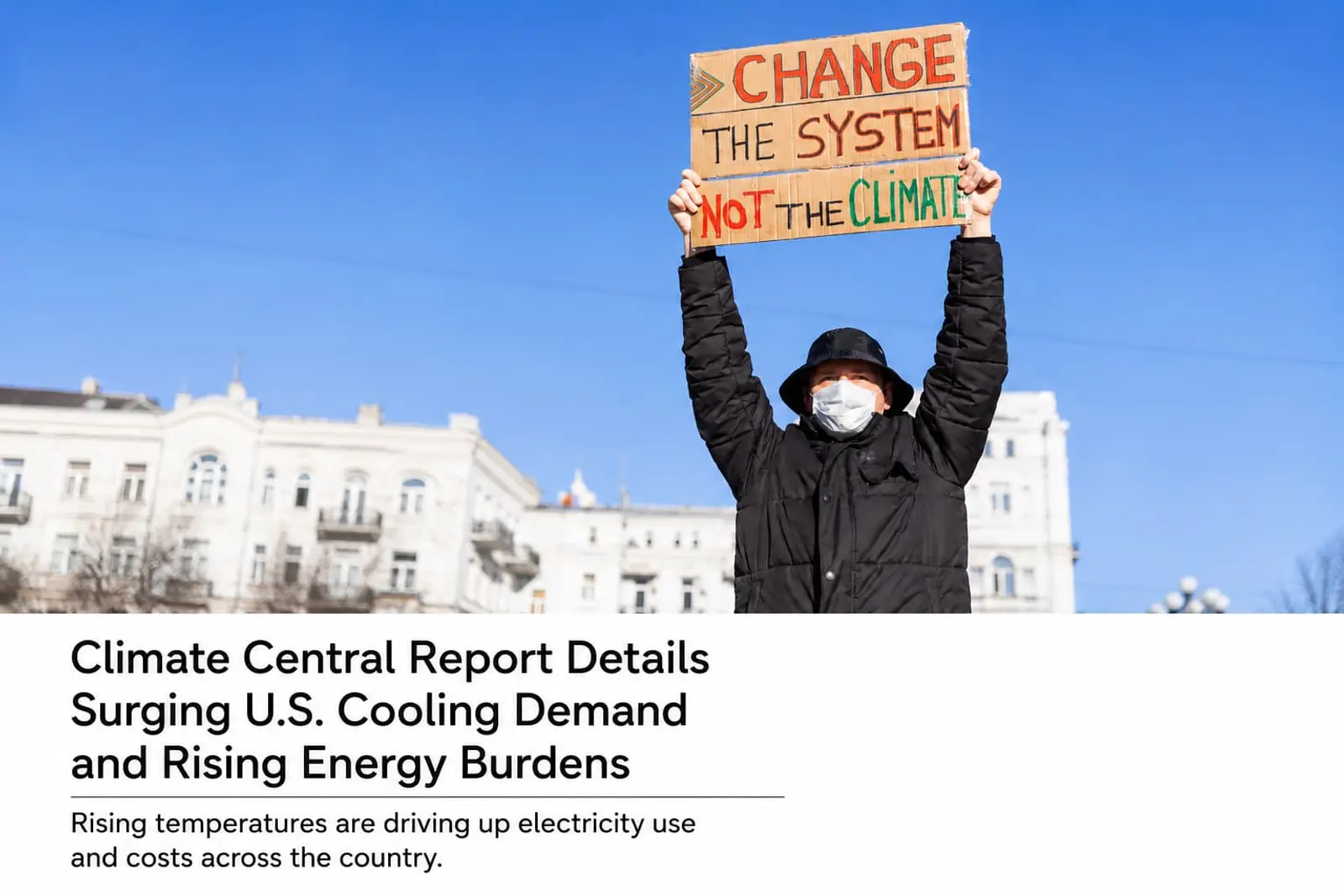
A Climate Central analysis reveals surging cooling demand across 97% of studied U.S. cities since 1970, compounding rising electricity costs and urban health risks.
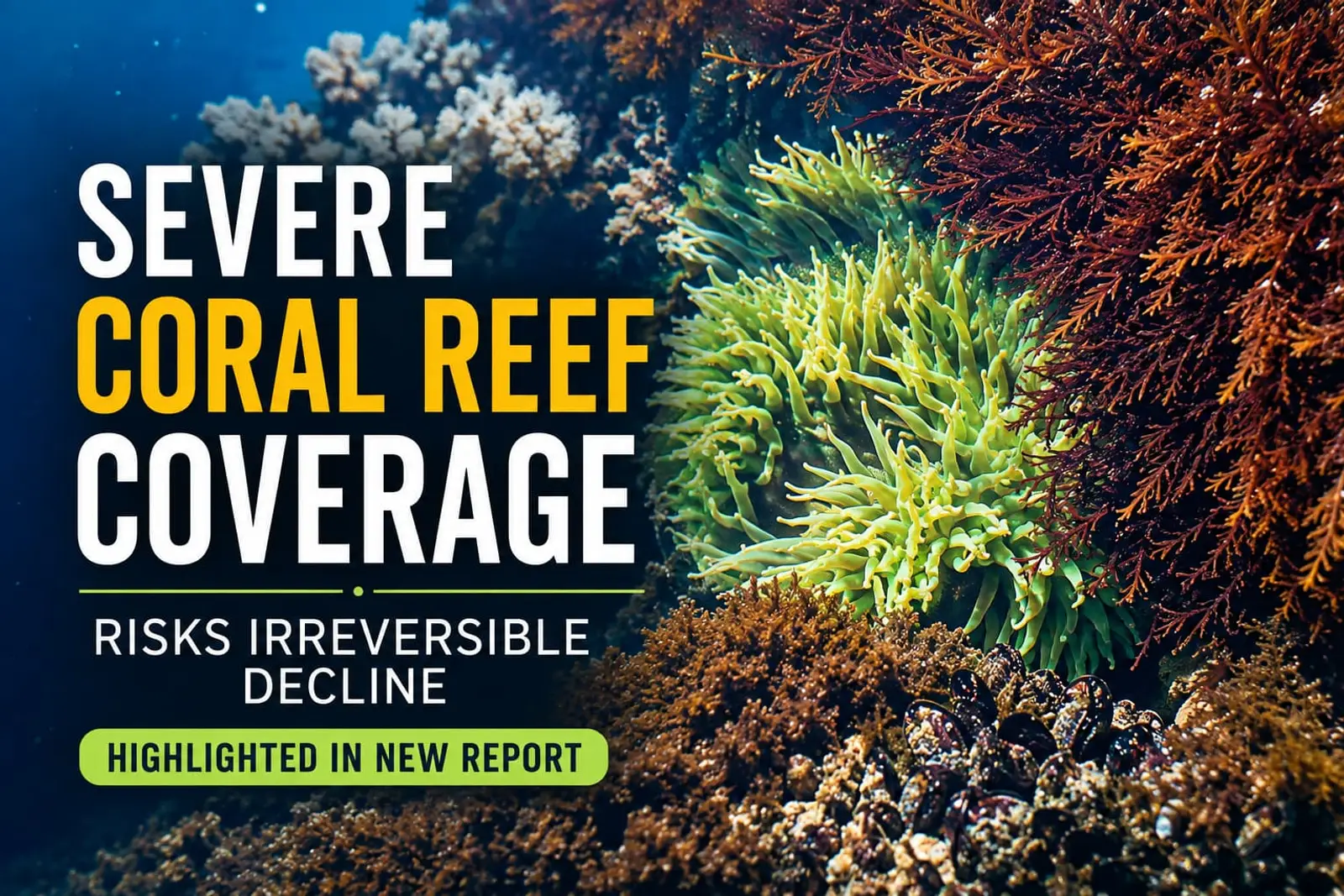
A new report from the Global Coral Reef Monitoring Network warns that global coral cover is well below normal and facing irreversible decline following record bleaching.
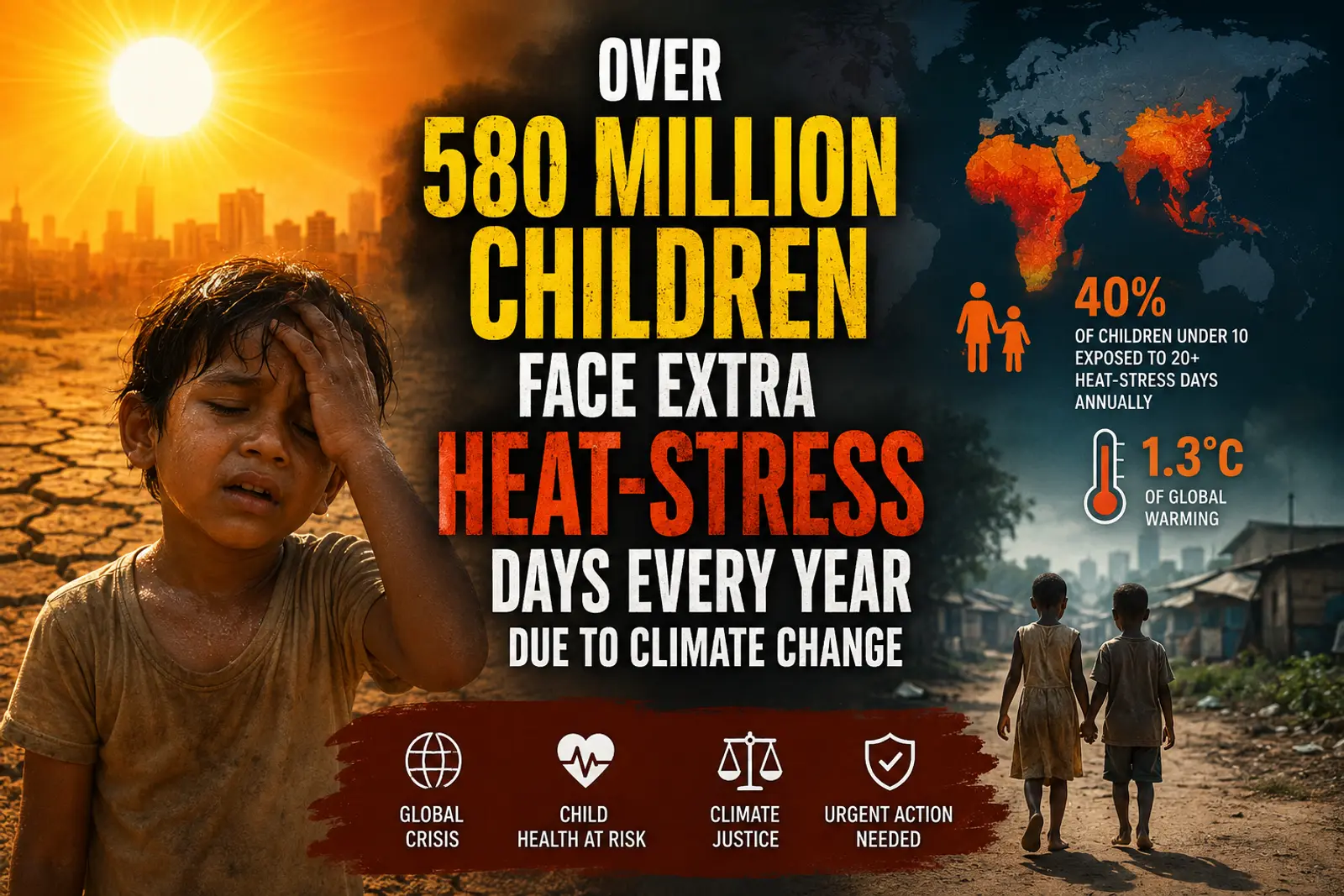
A new Science Advances study shows over 580 million children face 20 extra heat-stress days yearly due to climate change.
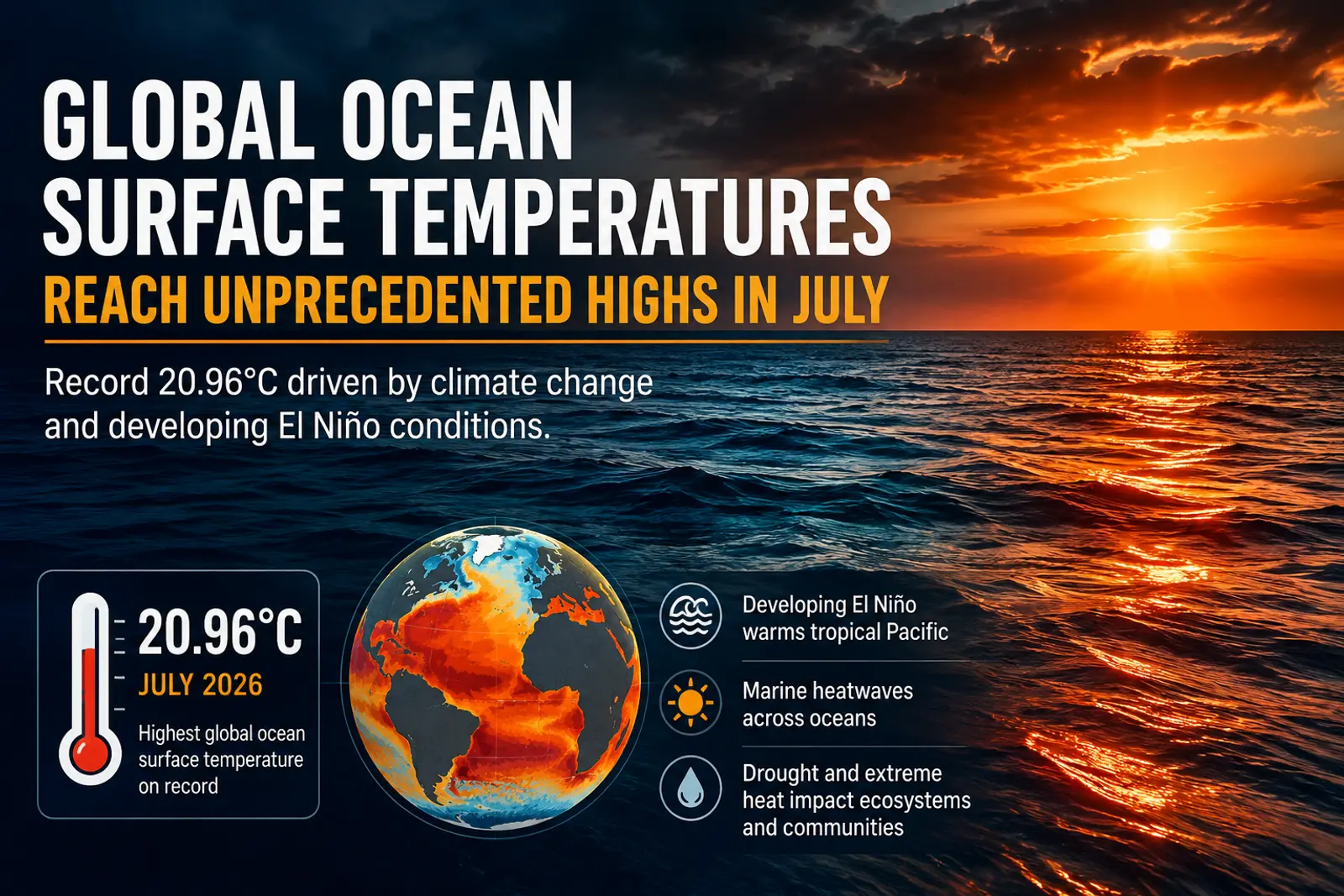
Global ocean surface temperatures hit a record 20.96 degrees Celsius in July, driven by long-term climate change and developing El Niño conditions.
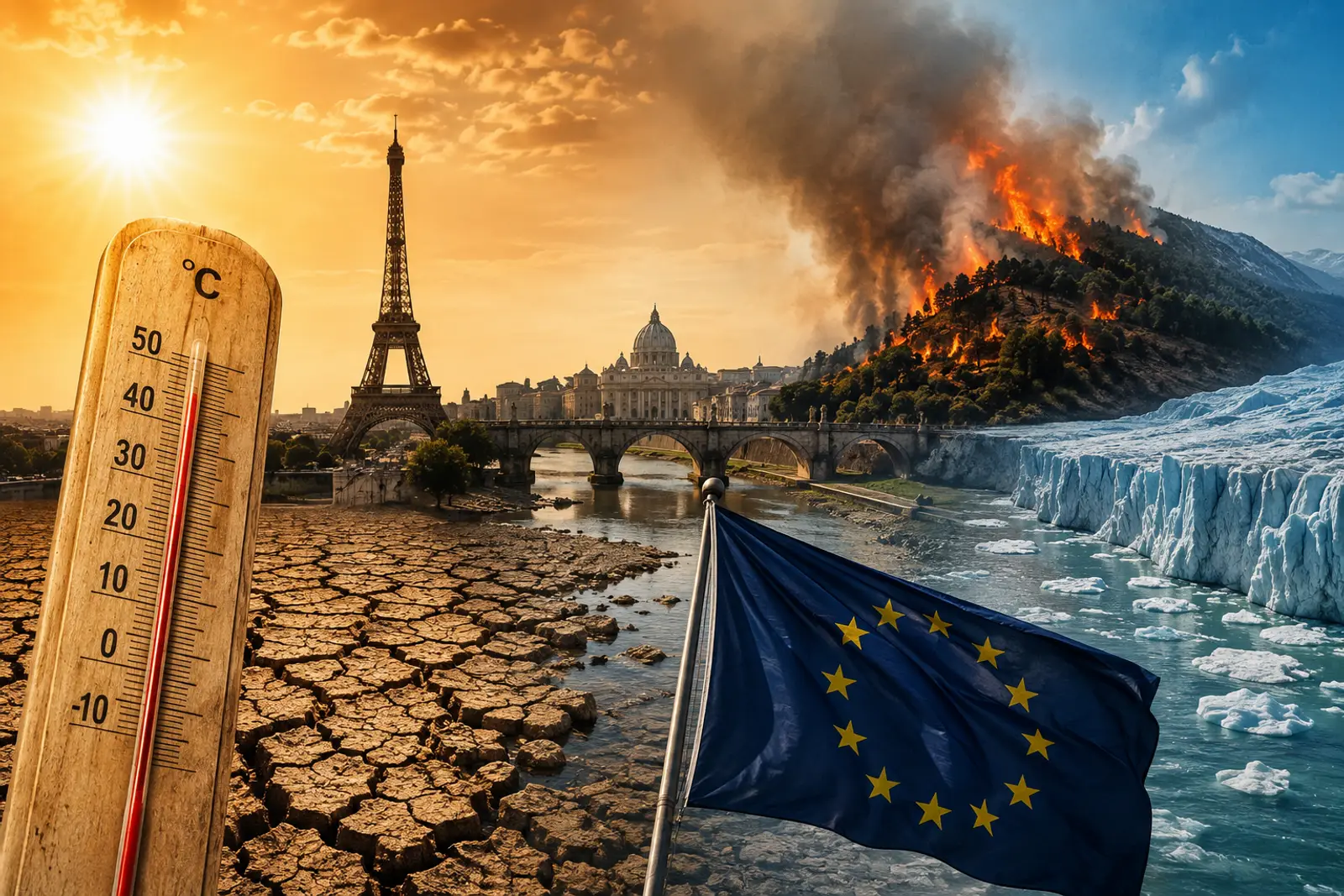
Europe is confronting a severe climate adaptation crisis as rapid warming, record-high sea surface temperatures, and intense heatwaves strain regional infrastructure and public health systems.
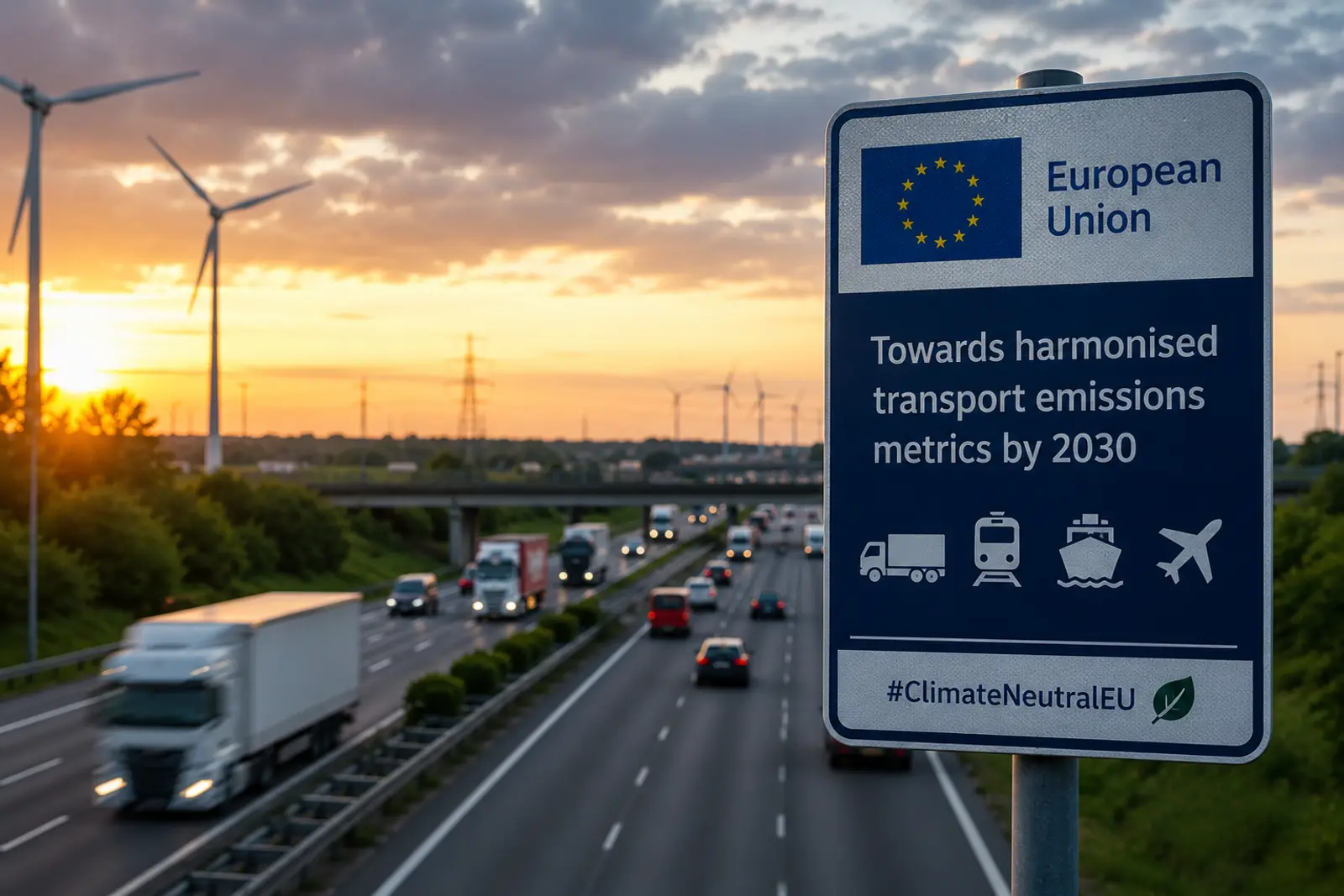
The European Union is introducing standardised transport emissions calculations by 2030 to eliminate measurement discrepancies and support climate goals.
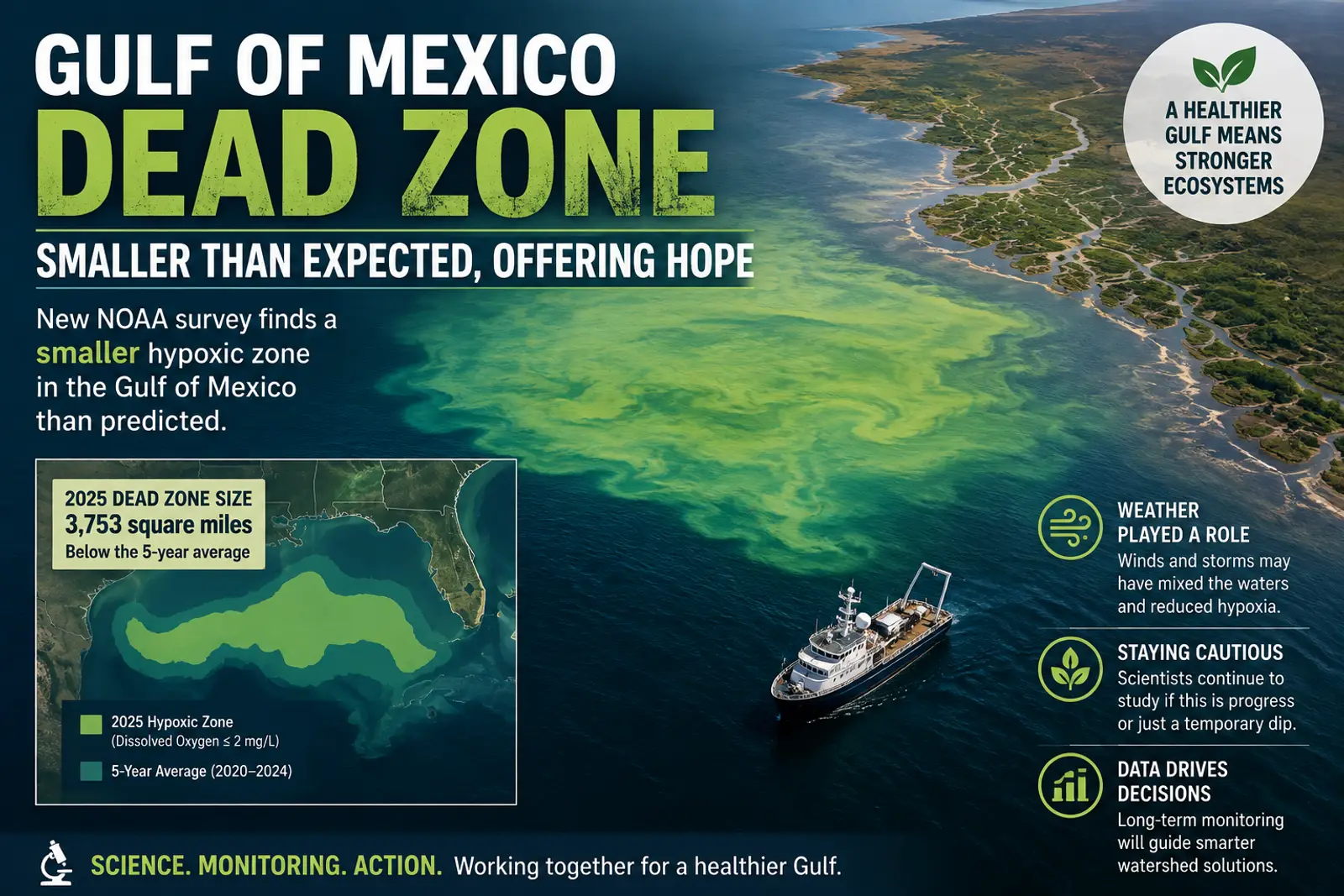
NOAA and partnering institutions report a smaller-than-anticipated hypoxic dead zone in the Gulf of Mexico, offering temporary relief to marine ecosystems while prompting debate over the underlying environmental drivers.
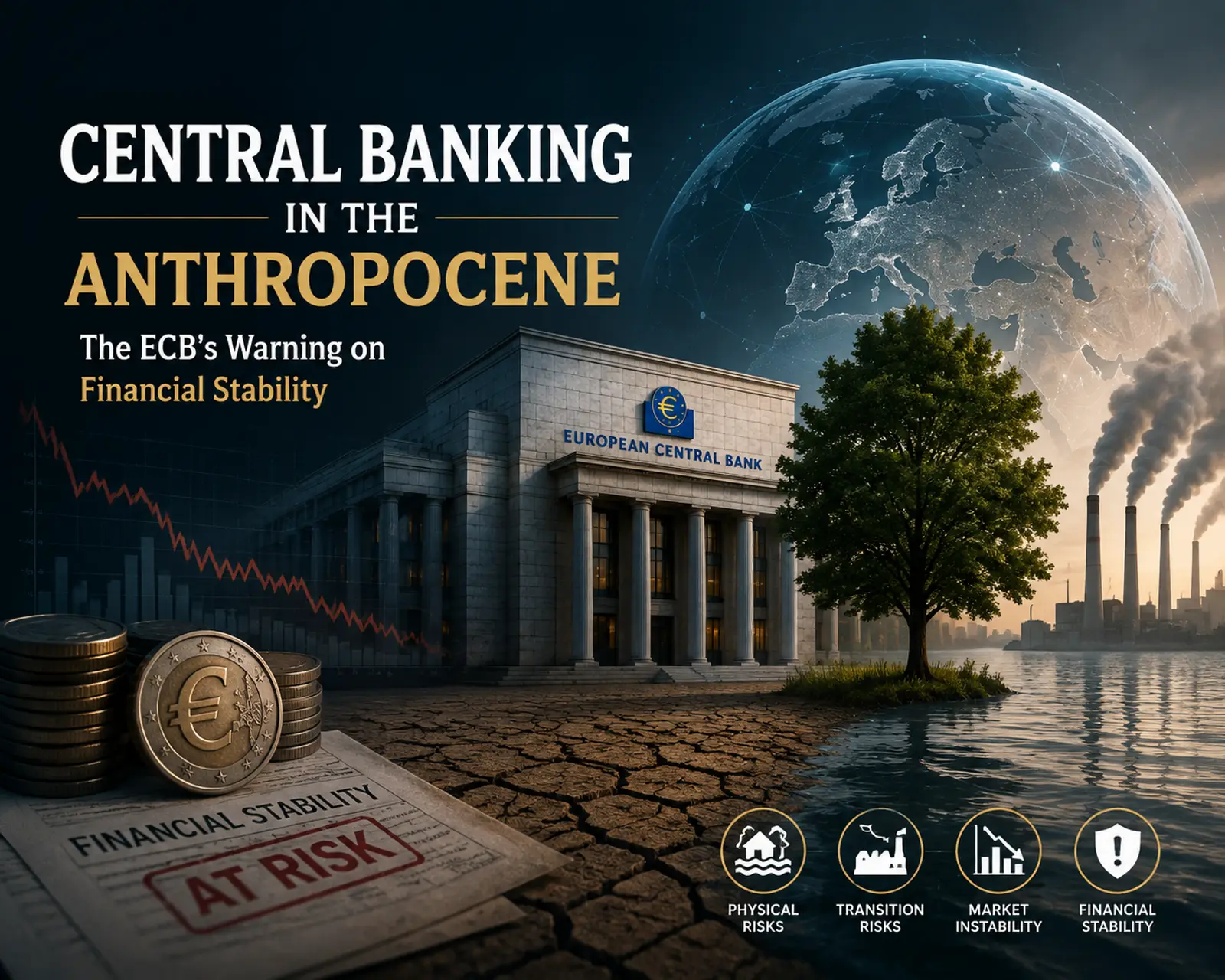
A senior European Central Bank official warns that the climate crisis poses a direct threat to core financial stability, highlighting systemic risks in banking.
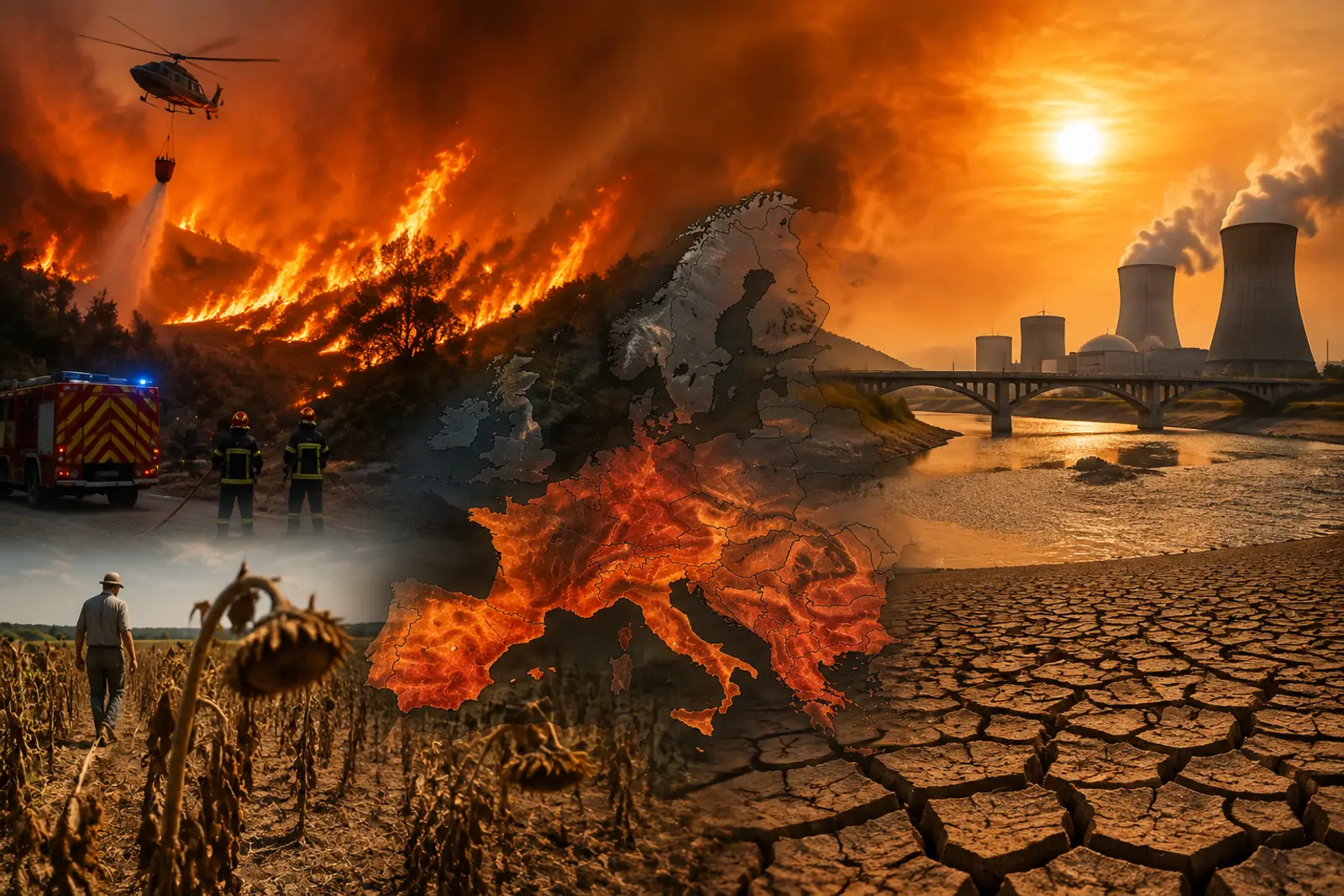
Europe faces an escalating crisis of severe wildfires, prolonged heatwaves, and droughts driven by climate change, threatening agriculture, nuclear energy, and economic stability.