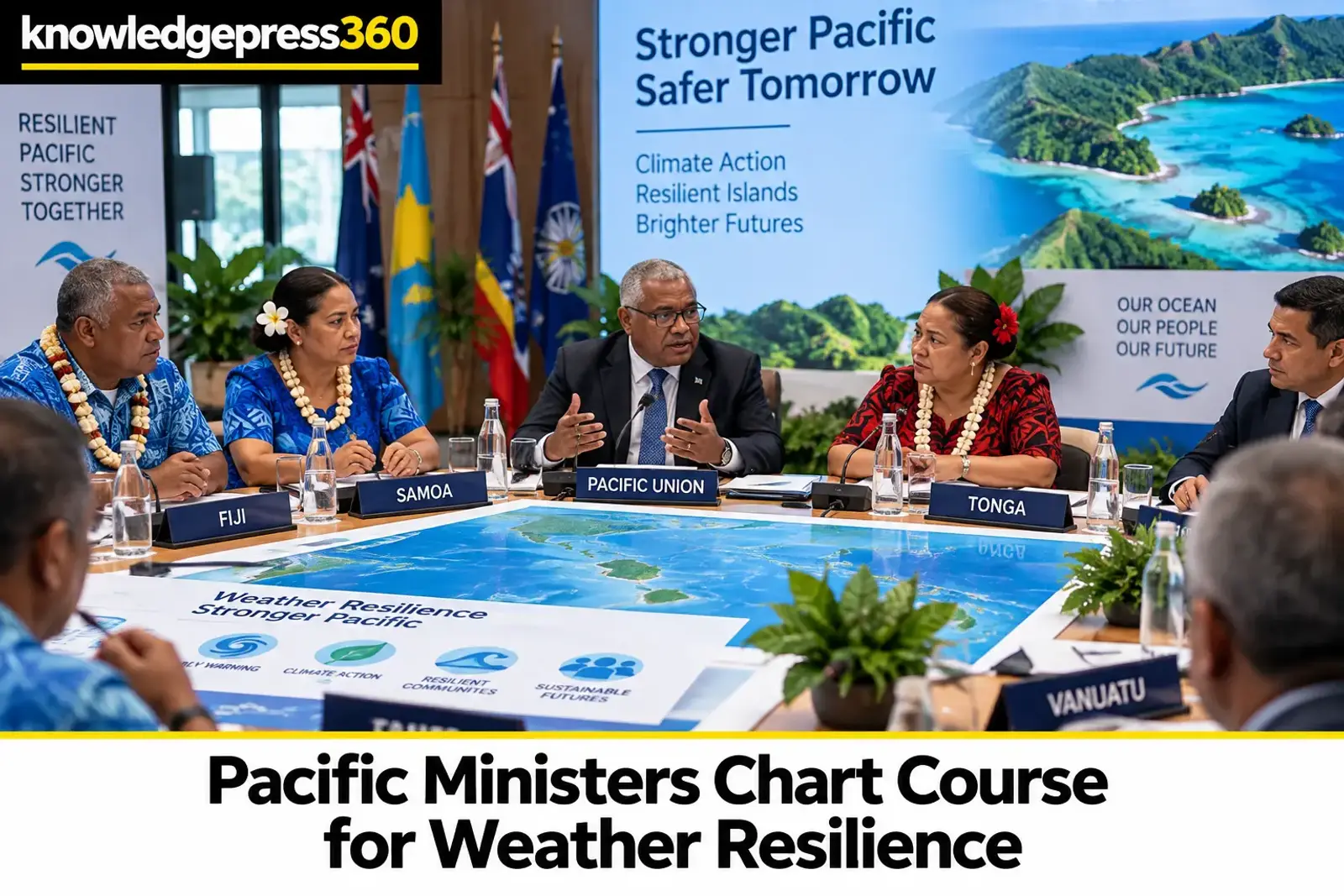
Ministers and senior meteorological authorities from across the Pacific region convened on September 16, 2026, in Nuku’alofa, Tonga, for the Fourth Pacific Meteorological Ministers Meeting (PMMM-4). This high-level gathering addressed escalating vulnerabilities tied to extreme weather, climate change, and complex environmental risks. The summit serves as a vital platform for aligning regional priorities with international frameworks, ensuring that vulnerable island nations can better anticipate and respond to intensifying climate disruptions. With compounding hazards threatening economic stability and public safety, regional leaders face pressure to transform strategic commitments into concrete measures. Organised by the Government of Tonga alongside the Secretariat of the Pacific Regional Environment Programme and the World Meteorological Organization, the meeting emphasised the urgent need for robust local action and international solidarity.
Summit Convenes in Tonga
The historic meetings in Nuku’alofa brought together key decision-makers to evaluate ongoing threats and establish unified regional responses. WMO President Dr Abdulla Al Mandous urged participating nations to integrate national policies with the broader goals of the WMO Strategic Plan 2028–2031, ensuring that Pacific priorities resonate globally. Central to these discussions was the expansion of multi-hazard early warning systems through the international Early Warnings for All initiative. Officials also explored the integration of artificial intelligence and advanced digital tools into traditional forecasting models to improve prediction accuracy. These technical advancements are considered essential for preparing communities against sudden environmental shocks. The ministerial discussions directly followed the Eighth Pacific Meteorological Council, which spent several days outlining foundational strategies for the upcoming decade. These preliminary sessions stressed the importance of robust data collection, improved observation networks, and communication channels that ensure timely warnings reach vulnerable coastal settlements.
Economic Realities of Climate Hazards
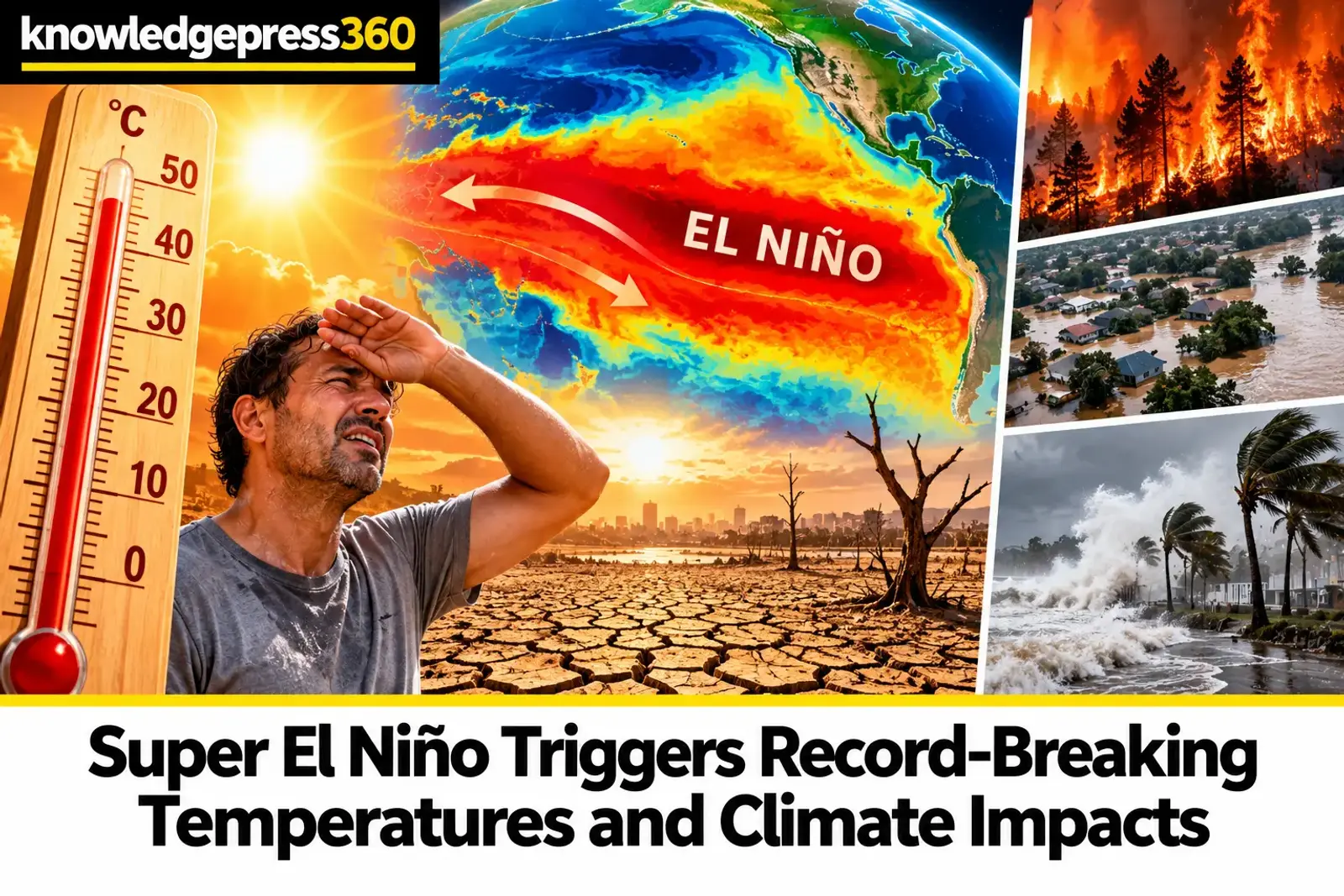
Weather and climate events impose a financial burden on the region, costing the Pacific an average of half a billion dollars every year. Prime Minister of Tonga and PMMM-4 Chair Hon. Lord Fatafehi Fakafanua underscored that while these disasters inflict severe economic damage, targeted investments in early warning infrastructure yield substantial financial returns. Drawing from Tonga’s compound disaster experience during the 2022 Hunga-Tonga Hunga-Ha’apai volcanic eruption, tsunami, and ash cloud, officials highlighted the absolute necessity of integrated multi-hazard monitoring. Regional experts further reported that an El Niño cycle is fully established and expected to peak between November 2026 and January 2027, with lingering impacts stretching well into the following year. This unfolding climatic phase demands sustained coordination across national boundaries. To address these systemic financial and environmental pressures, delegates officially proposed the comprehensive Pacific Islands Meteorological Strategy 2027–2036 and adopted the Siu-í-Álaimoana-Ki-Likutapu Declaration to reinforce National Meteorological and Hydrological Services.
Meadow Rehabilitation Actions
In parallel regional environmental actions, Qatar’s Ministry of Environment and Climate Change announced field rehabilitation work in the Al Shamal region, planting 300 native wild seedlings and sowing 5,000 seeds to restore the Houtan meadow ecosystem and enhance local terrestrial biodiversity. The move formed part of ongoing efforts to rehabilitate Qatar’s meadows, enhance natural vegetation cover, and protect the nation’s biodiversity and terrestrial ecosystems. Officials noted that selecting plant species adapted to the conditions of each site remains a critical factor in ensuring the success of restoration programs and sustaining their results over the long term. The ministry places a high priority on meadows as a fundamental component of the nation’s terrestrial environment and a key pillar of environmental balance and wildlife conservation.
Future Strategic Milestones Ahead
Looking toward the coming decade, the successful rollout of the Pacific Islands Meteorological Strategy 2027–2036 will serve as a key test for regional cooperation. National authorities must translate the newly adopted Siu-í-Álaimoana-Ki-Likutapu Declaration into domestic action. As the anticipated El Niño cycle peaks between late 2026 and early 2027, regional forecasting centres will face an important trial in delivering accurate, timely warnings. Subsequent international climate summits will likely examine whether international partners provide the necessary backing to meet the targets set in Nuku’alofa, determining the ultimate trajectory of regional climate resilience.