Science
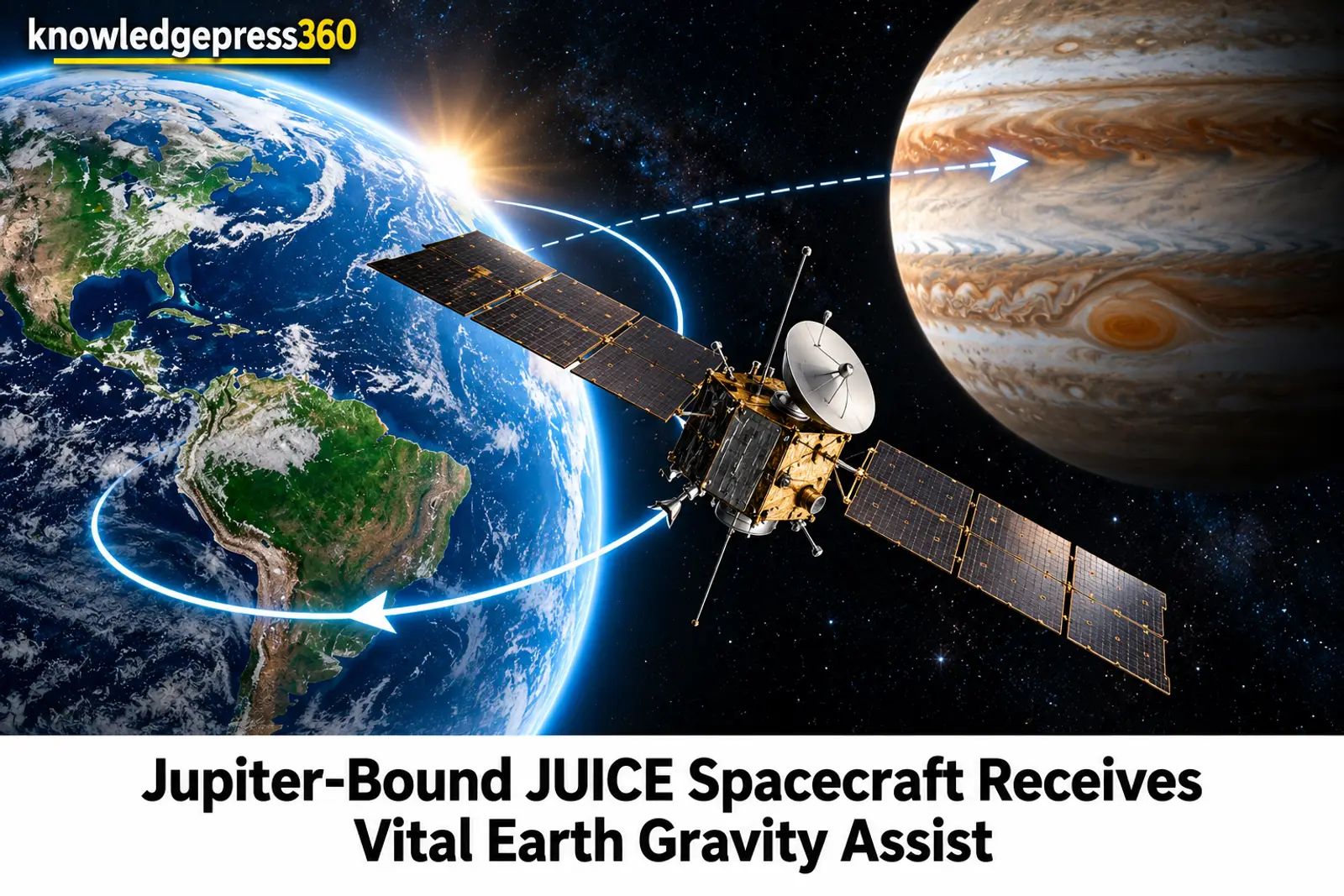
Jupiter-Bound JUICE Spacecraft Receives Vital Earth Gravity Assist
The ESA JUICE spacecraft completed a successful Earth flyby on September 28, 2026, gaining an 8,000 mph speed boost on its way to Jupiter.
KnowledgePress section
Independent reporting and evidence-led analysis across science.
The ESA JUICE spacecraft completed a successful Earth flyby on September 28, 2026, gaining an 8,000 mph speed boost on its way to Jupiter.

A landmark Nature study using 103 high-quality bat genomes and 44 fossils places the origin of modern bats in Europe 65 million years ago, overturning long-standing theories and setting a new foundation for research into flight, echolocation and longevity.
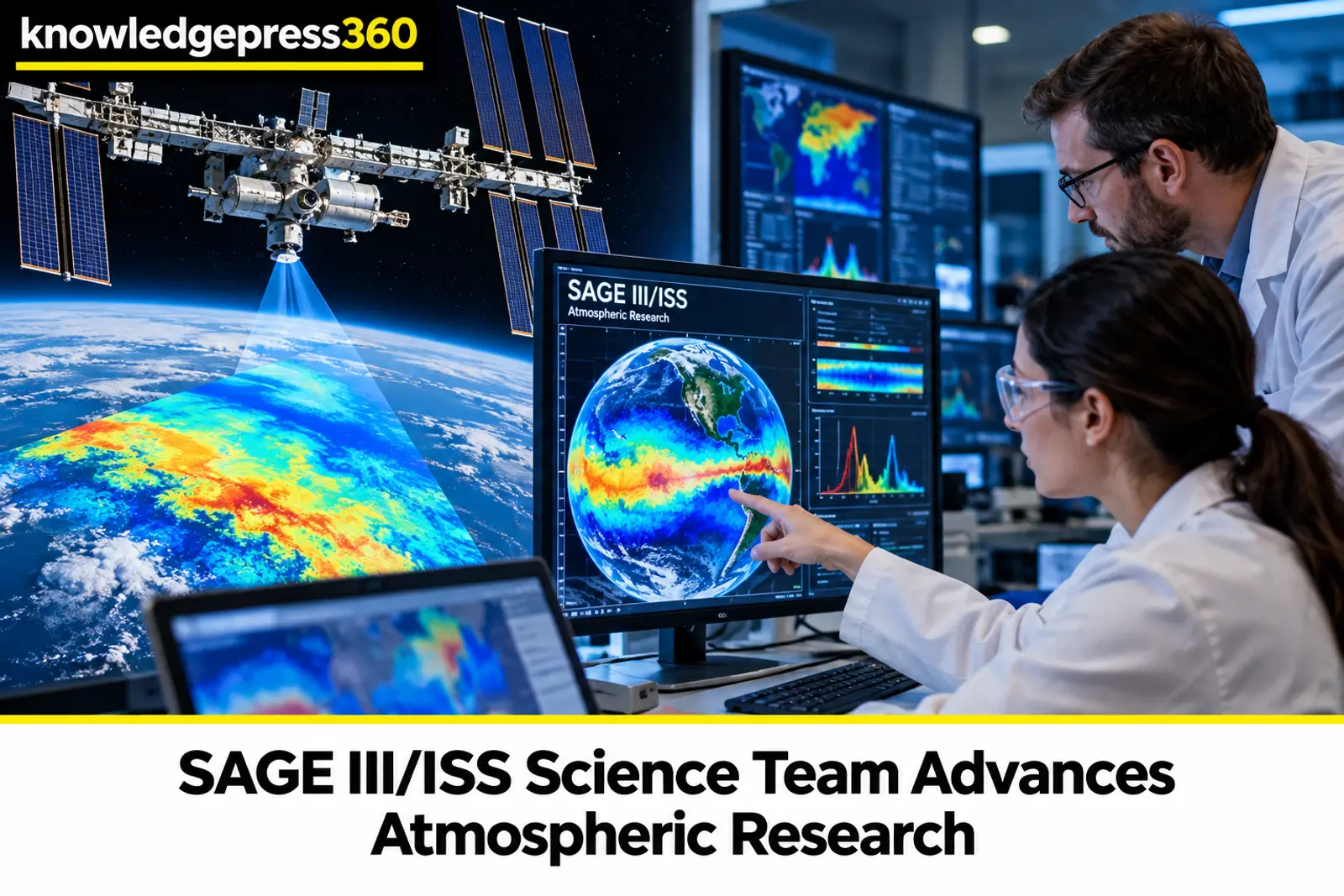
Researchers at the SAGE III/ISS annual meeting highlighted upcoming expedited aerosol products, version 6.1 enhancements, and new lunar occultation data.

A patient with a rare genetic form of ALS has shown improved motor function and normalized biomarkers one year after receiving a custom antisense oligonucleotide therapy.
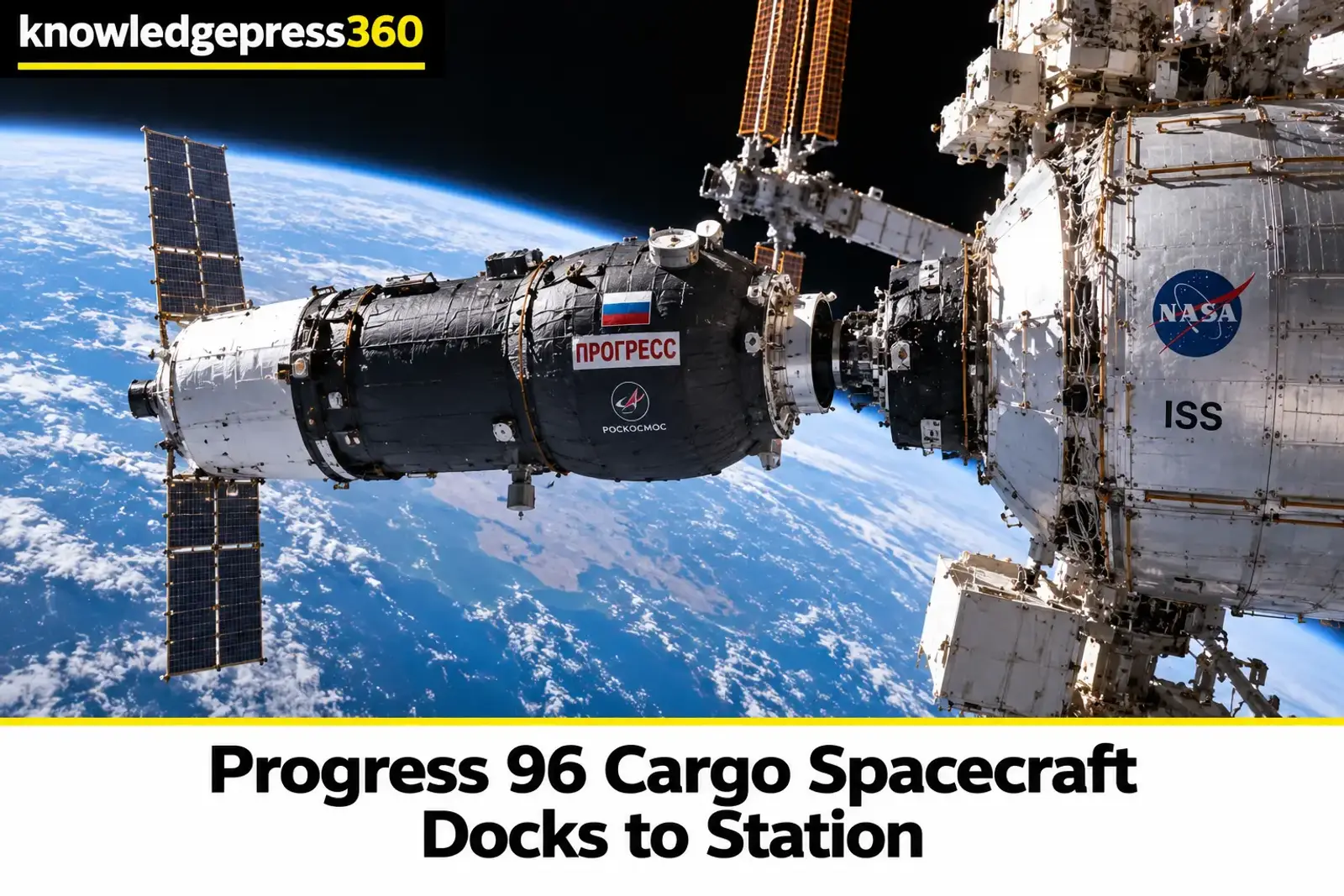
The Progress 96 cargo spacecraft successfully docked with the International Space Station, delivering approximately three tons of essential food, fuel, and supplies for the Expedition 75 crew.
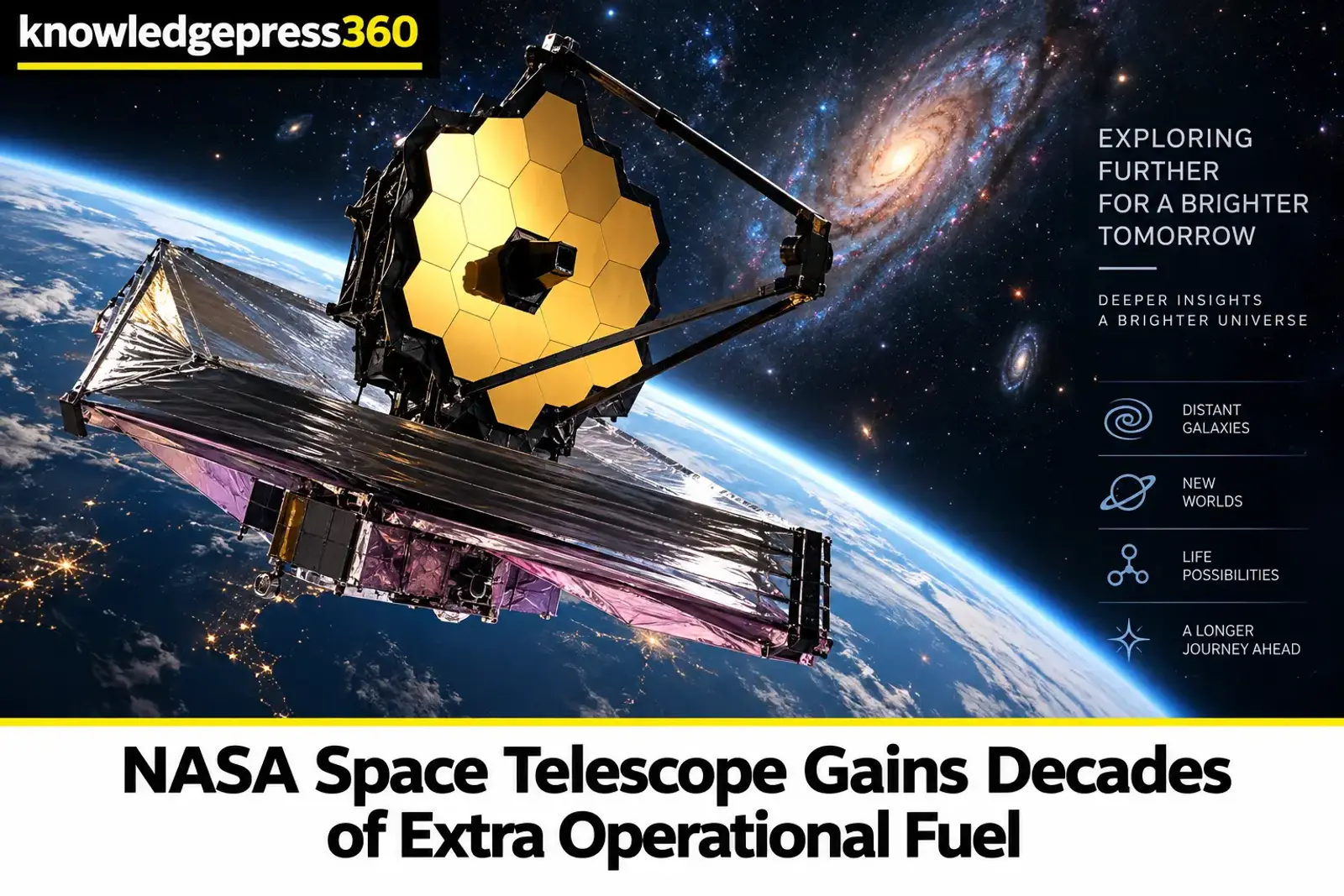
NASA's Roman Space Telescope has gained enough potential fuel for 22 years of operations following an ultra-precise initial course correction and favourable launch mass.

Researchers at UCSF have developed a brain-computer interface that simultaneously decodes speech and gestures in paralyzed individuals.
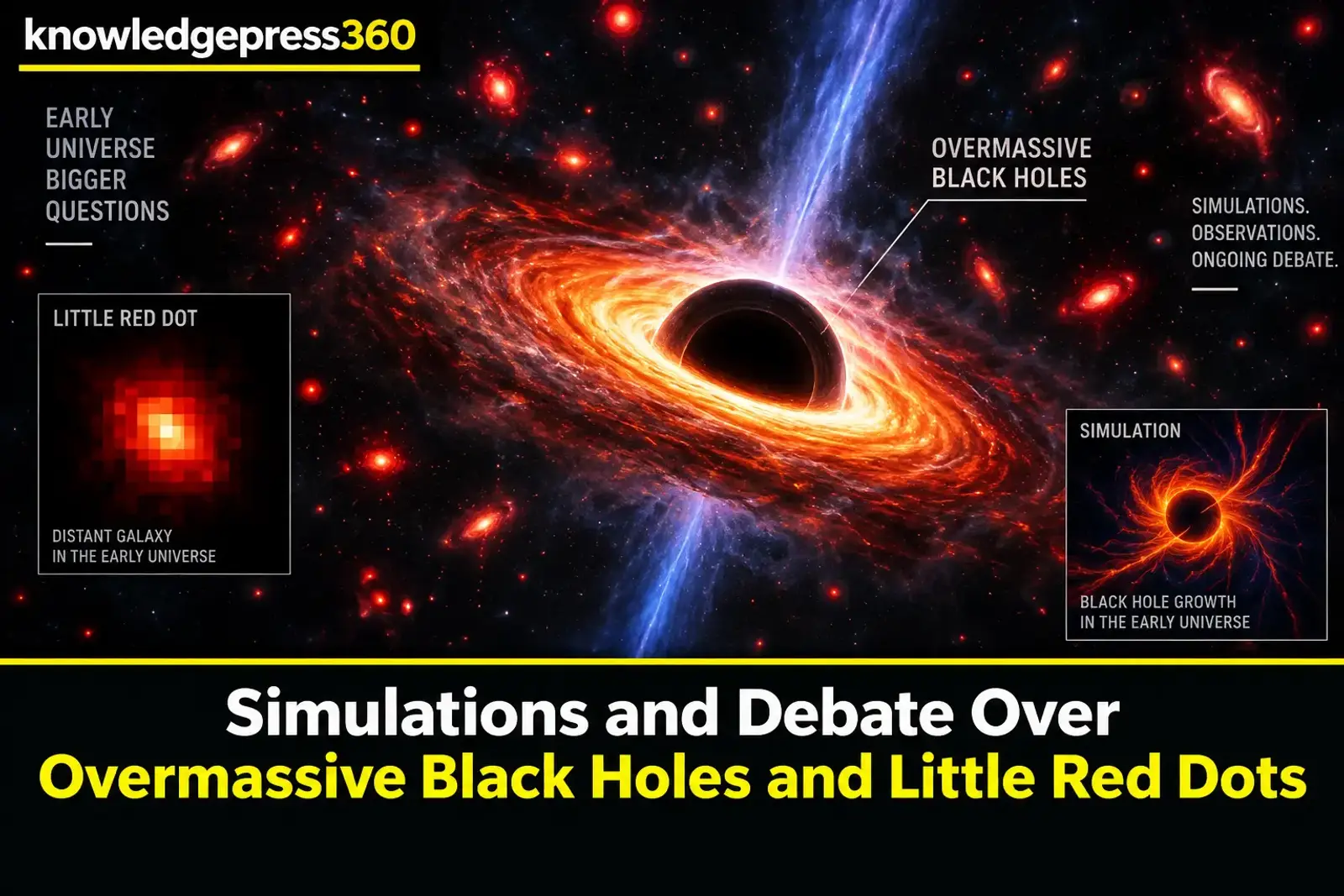
Recent simulations and JWST observations shed light on mysterious little red dots and overmassive black holes in the early universe.
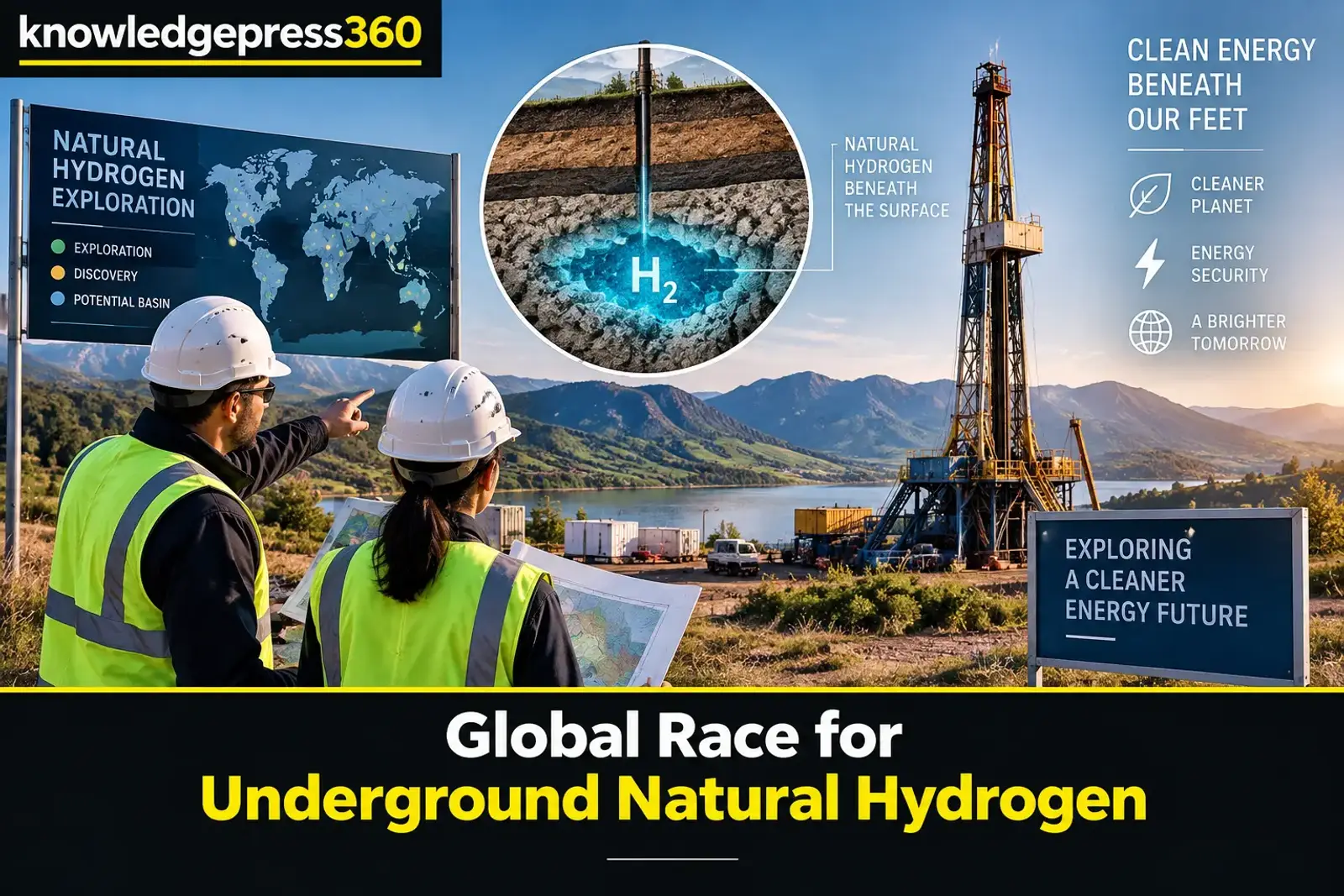
Energy prospectors across nearly 30 countries are investing millions to locate underground natural hydrogen deposits, a potential clean energy game changer.
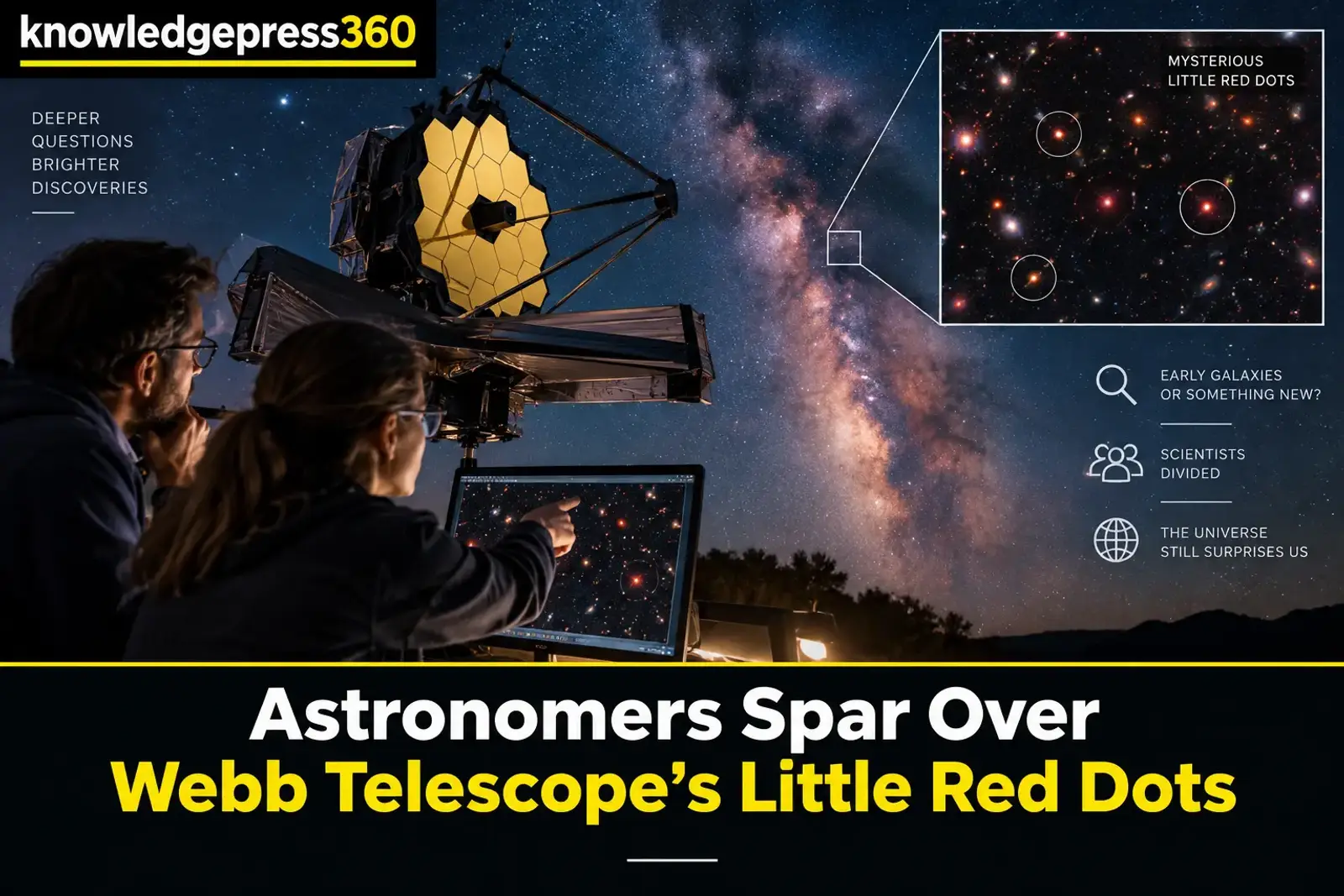
Astronomers debate the nature of little red dots discovered by the James Webb Space Telescope, exploring whether they represent black hole stars.
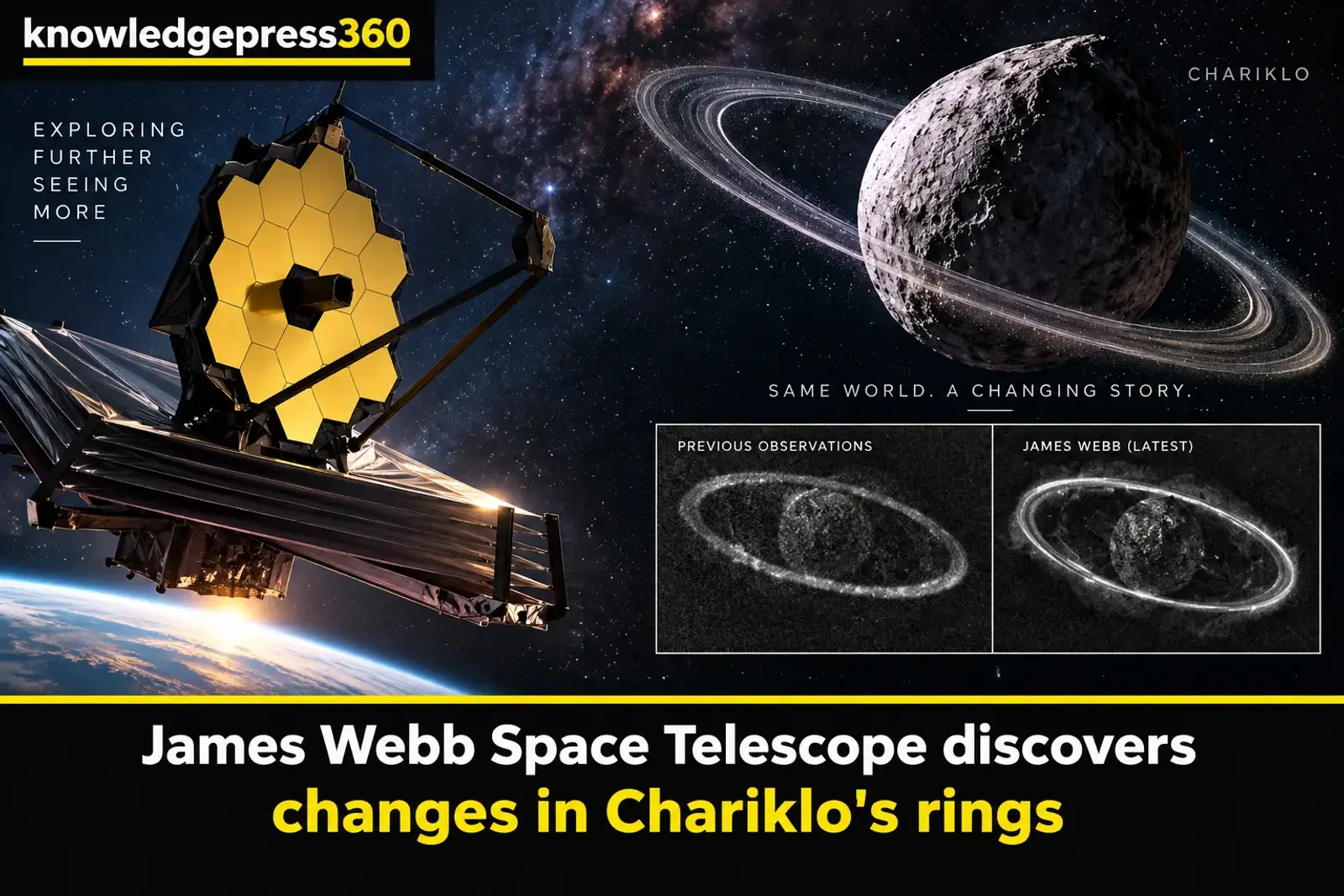
Using the James Webb Space Telescope, astronomers have discovered opposite opacity changes in the rings of the asteroid Chariklo.
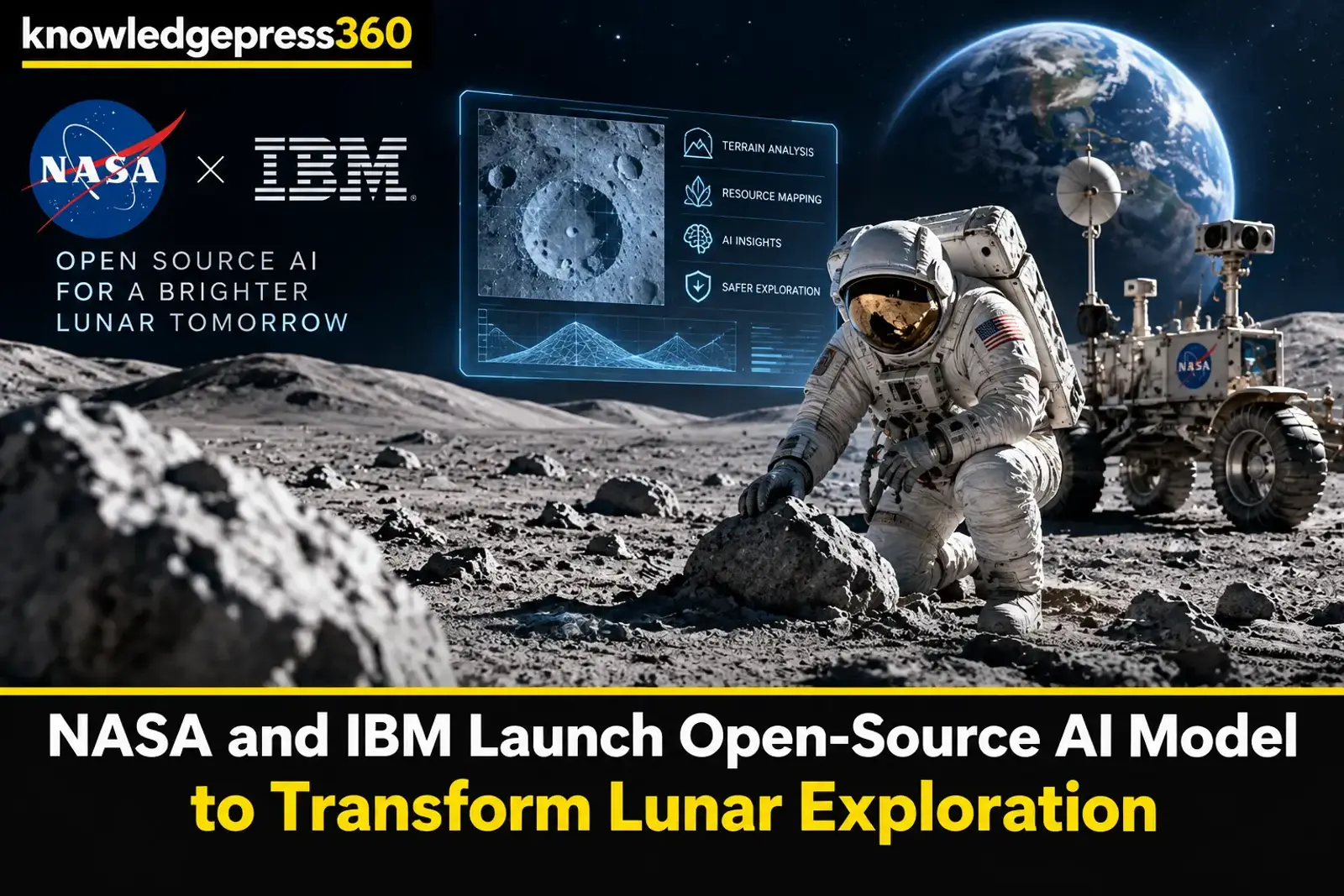
NASA and IBM have released an open-source AI model to accelerate lunar research, outperforming traditional mapping methods by 23 percent.

Google DeepMind has launched the AlphaGenome Atlas, a petabyte-scale AI database mapping nine billion single-letter human DNA mutations to accelerate genetic research.
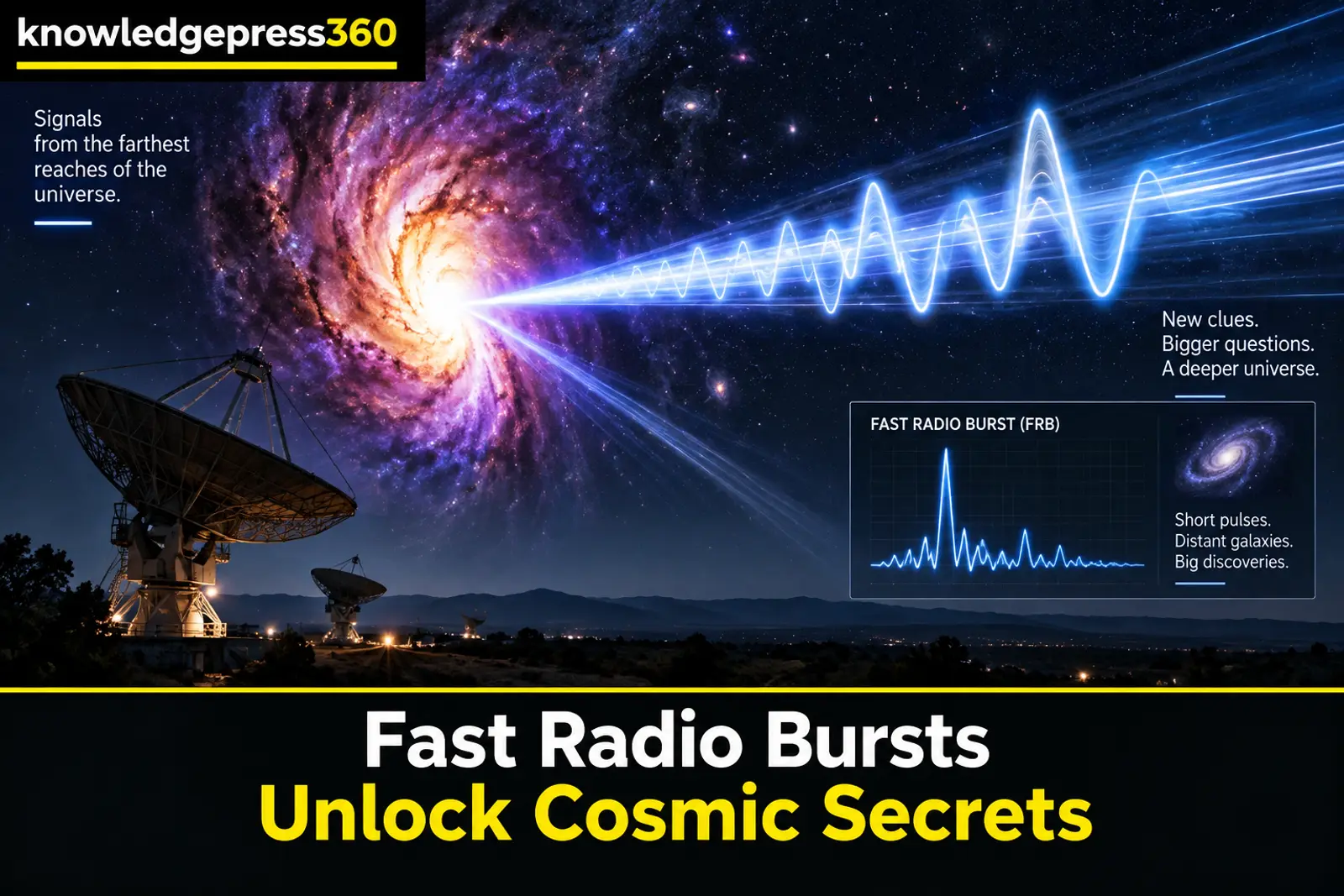
Astrophysicists analyzing a sample of approximately 100 fast radio bursts have successfully measured the impact of galactic feedback on cosmic matter distribution.
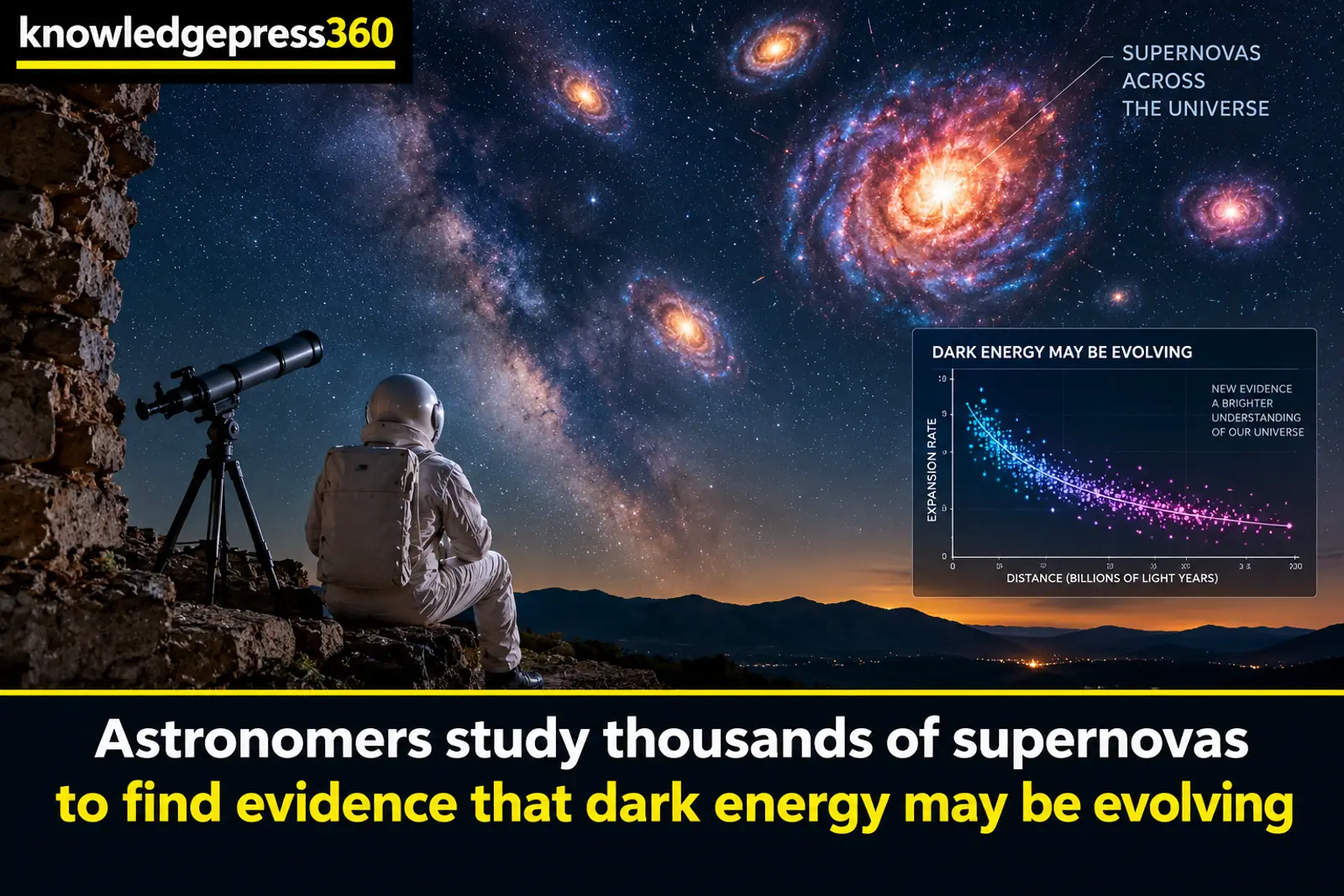
Recent analysis of nearly 3,000 type Ia supernovae suggests dark energy may be evolving, challenging the standard cosmological model.
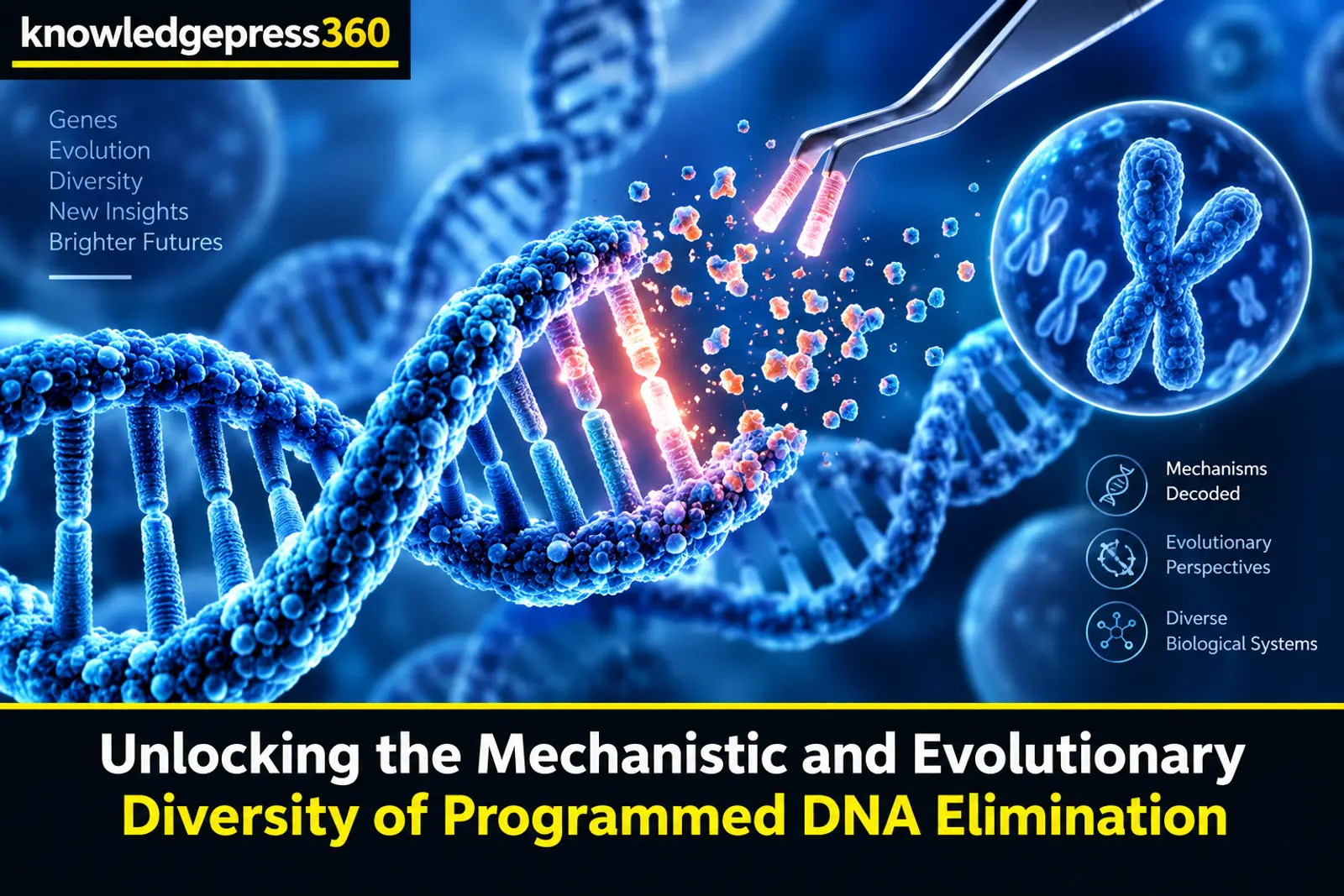
Recent scientific literature highlights the mechanistic and evolutionary diversity of programmed DNA elimination across diverse eukaryotic lineages, challenging strict genomic constancy.
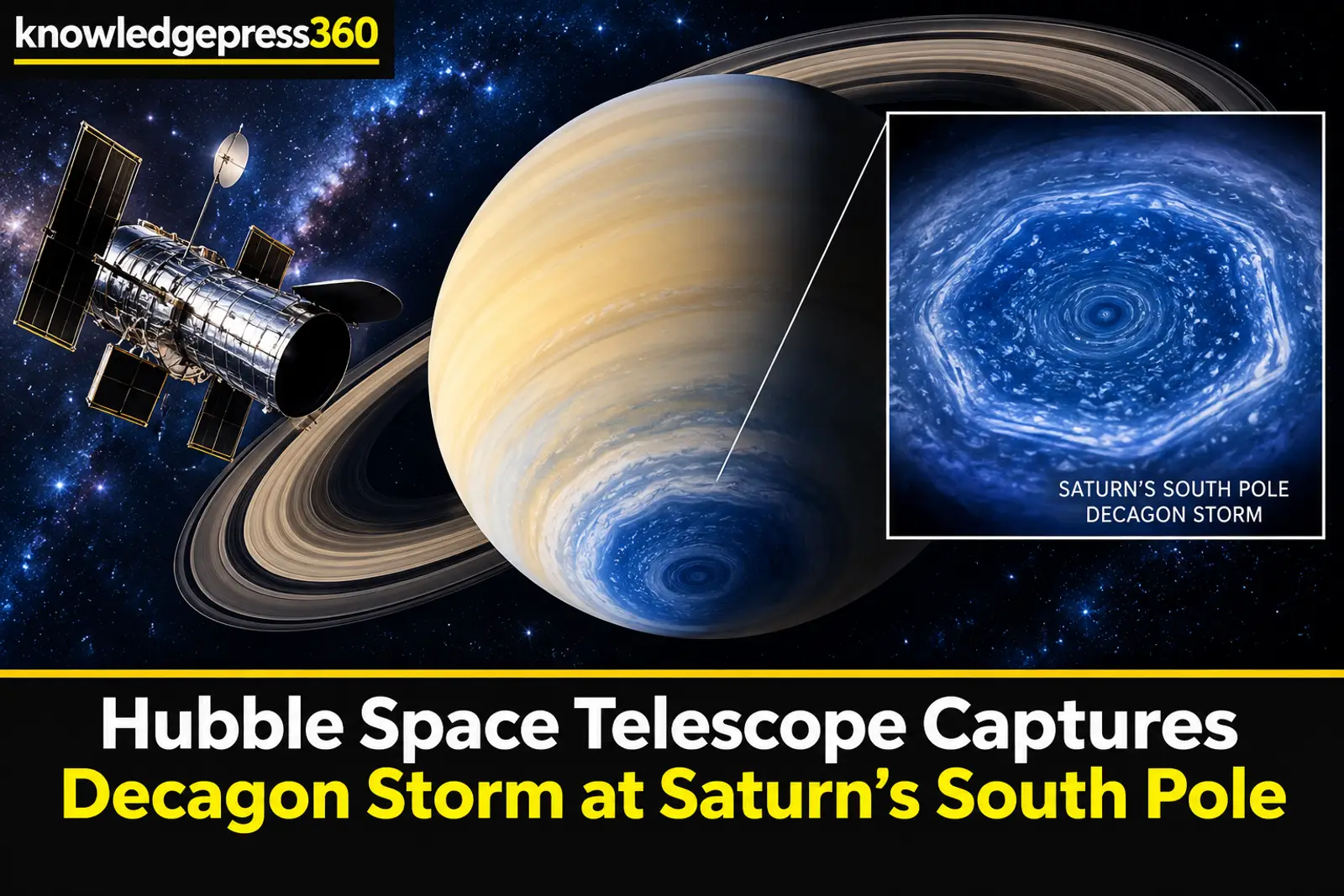
Astronomers using the Hubble Space Telescope have discovered a massive ten-sided storm, or decagon, encircling Saturn's south pole.
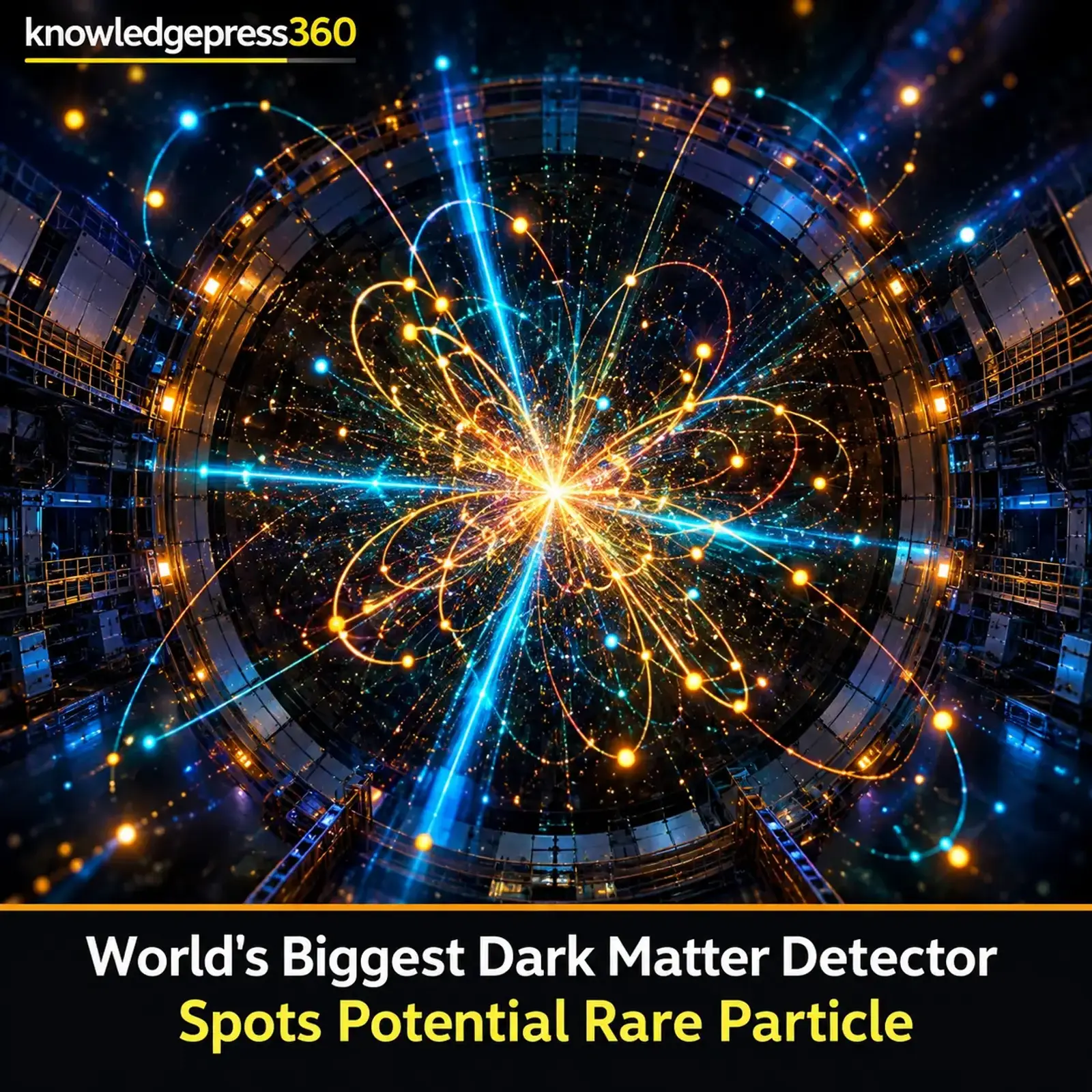
Physicists using the LUX-ZEPLIN dark matter detector have captured a potential rare particle event during a 220-day run.
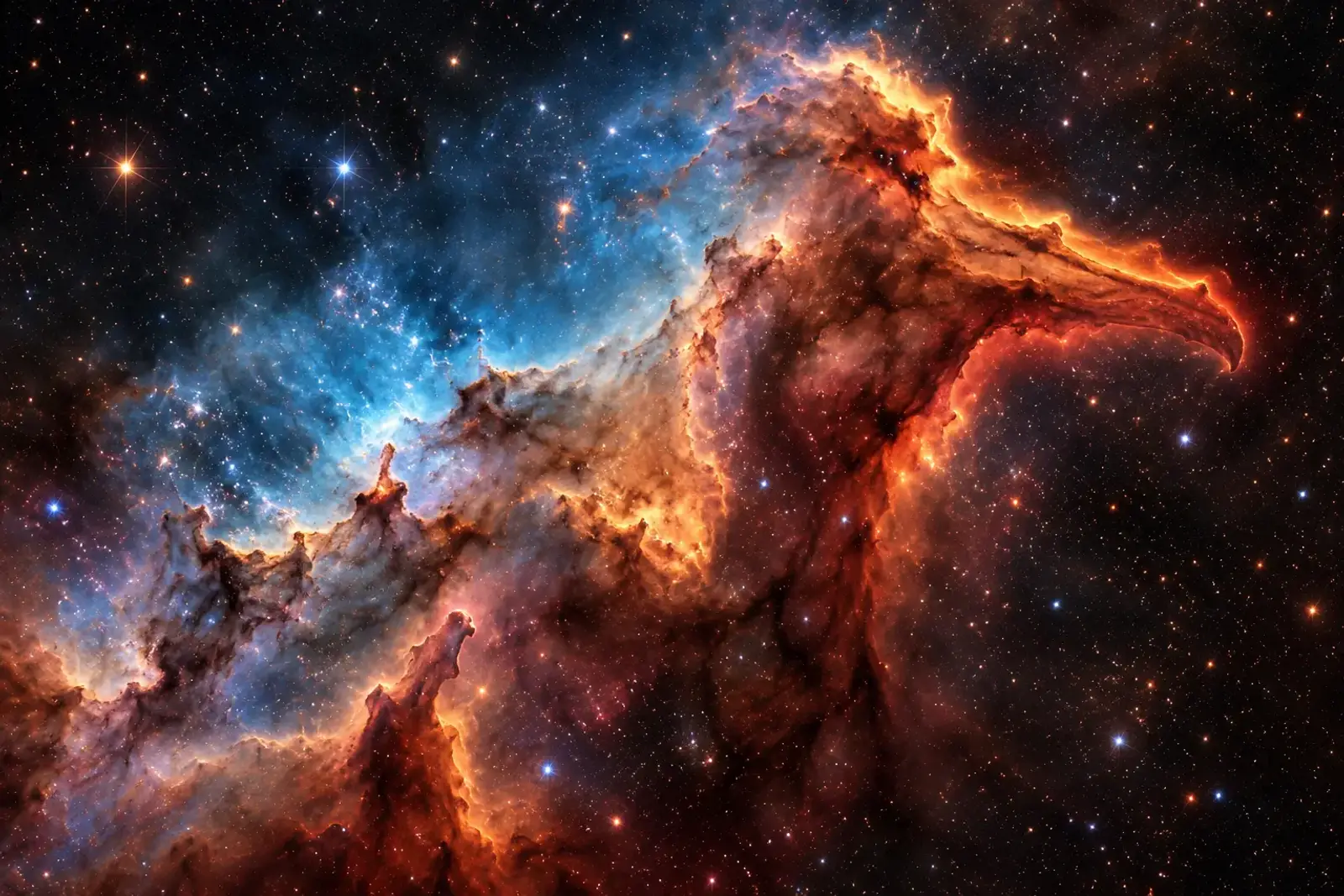
An extensive twenty-five-hour exposure photograph captured in Utah highlights active star formation and ionization fronts within the Pelican Nebula, officially designated as IC 5070.

Academic publishing faces a severe peer-review crisis driven by exponential growth in submissions. While large language models offer relief in literature reviews, they risk introducing severe hallucinations and compromising scientific integrity.
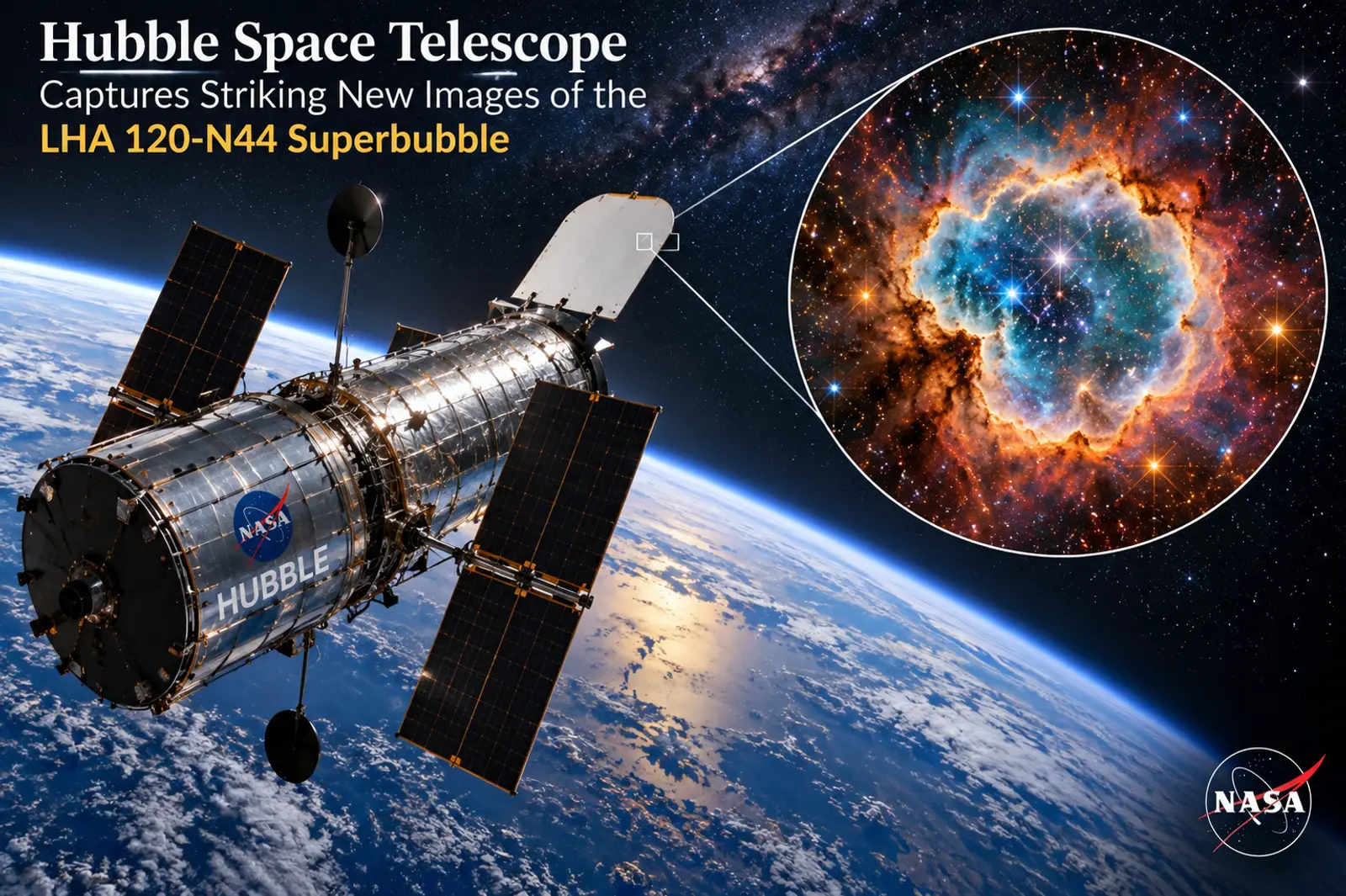
The Hubble Space Telescope has captured new images of the LHA 120-N44 superbubble in the Large Magellanic Cloud, revealing a vast cosmic void.
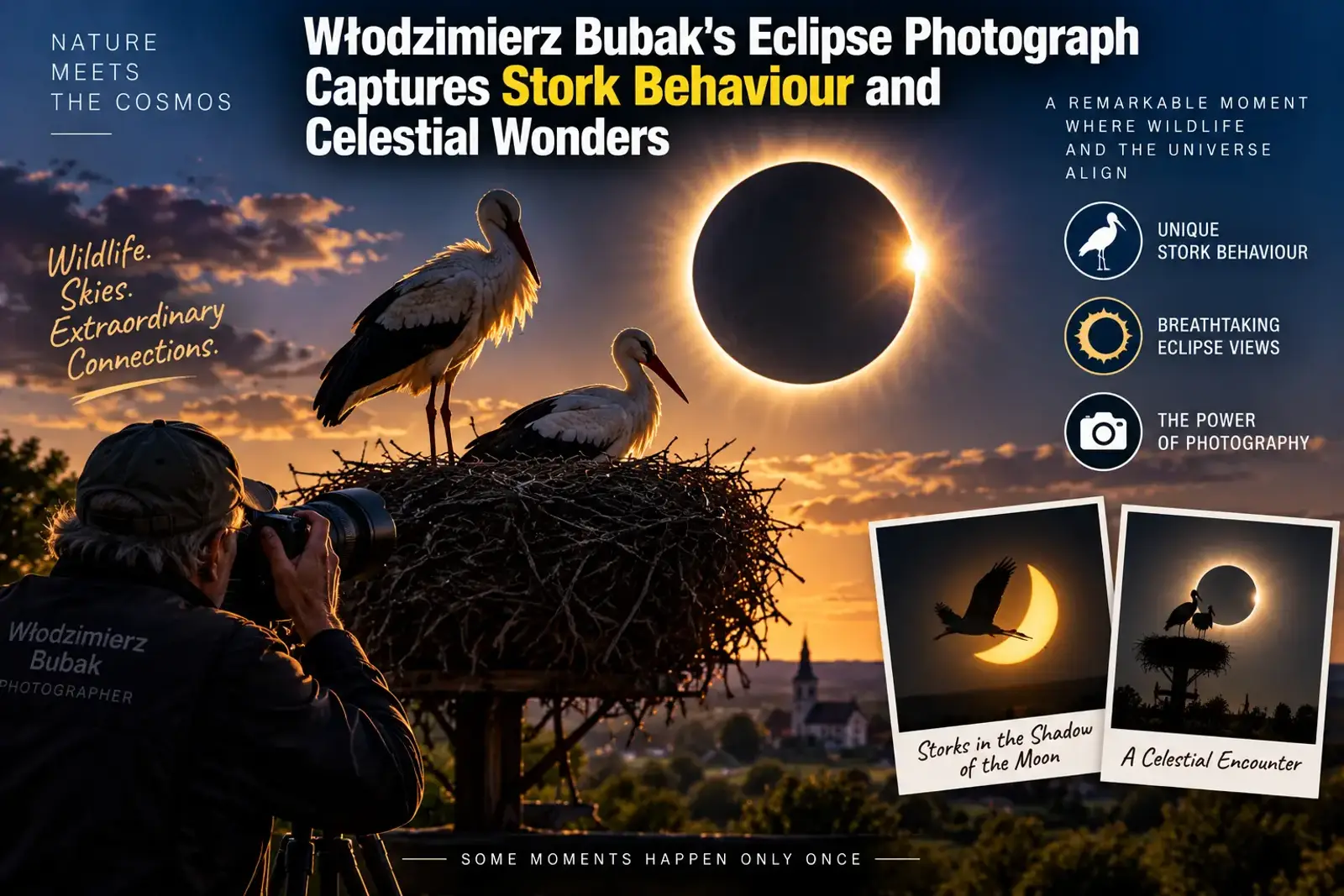
NASA's September 2026 Astronomy Picture of the Day features a stork during a solar eclipse, highlighting wildlife reactions and recent scientific studies on AI limits.
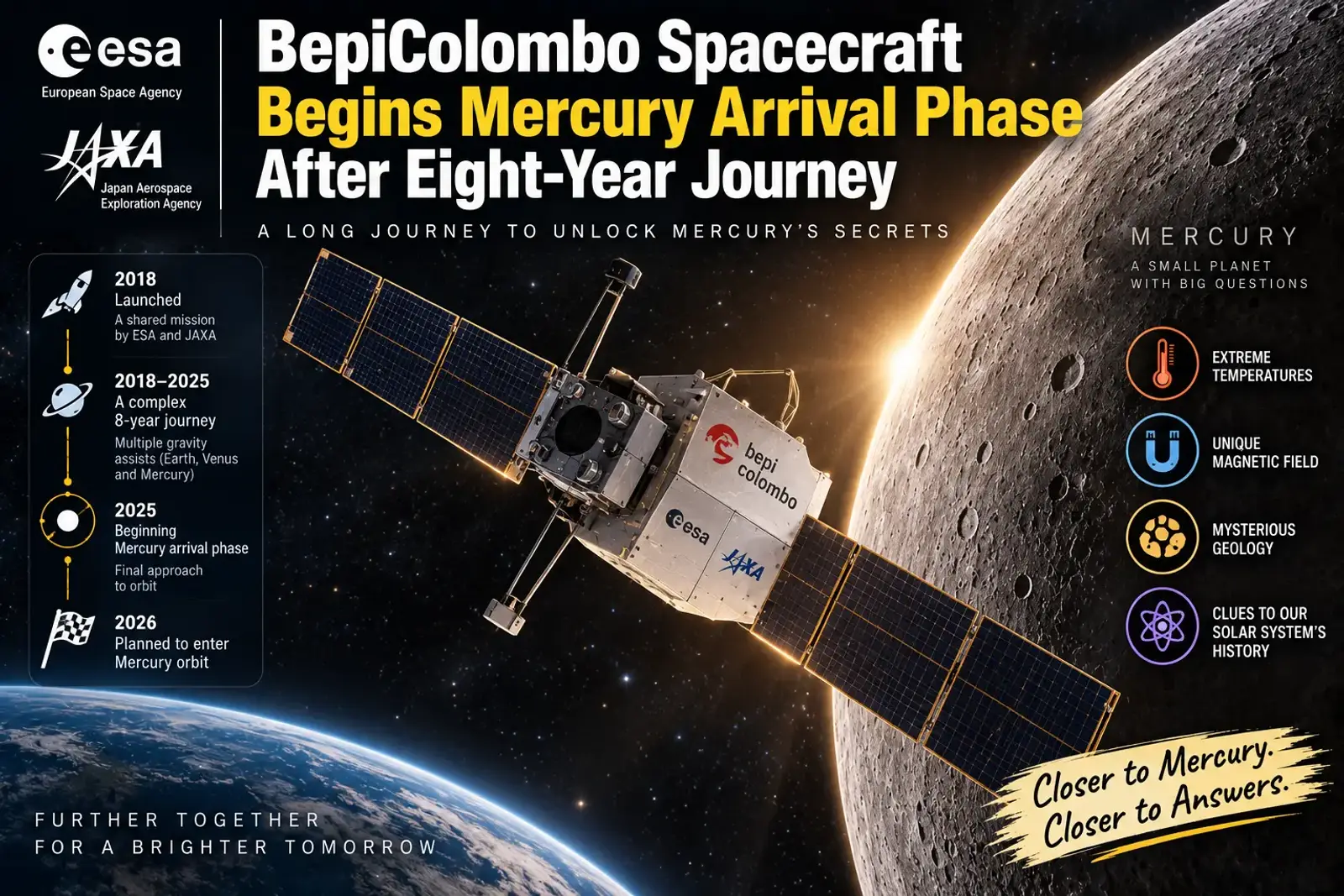
The BepiColombo mission has entered its arrival phase at Mercury after an eight-year journey, following the successful separation of its transfer module.
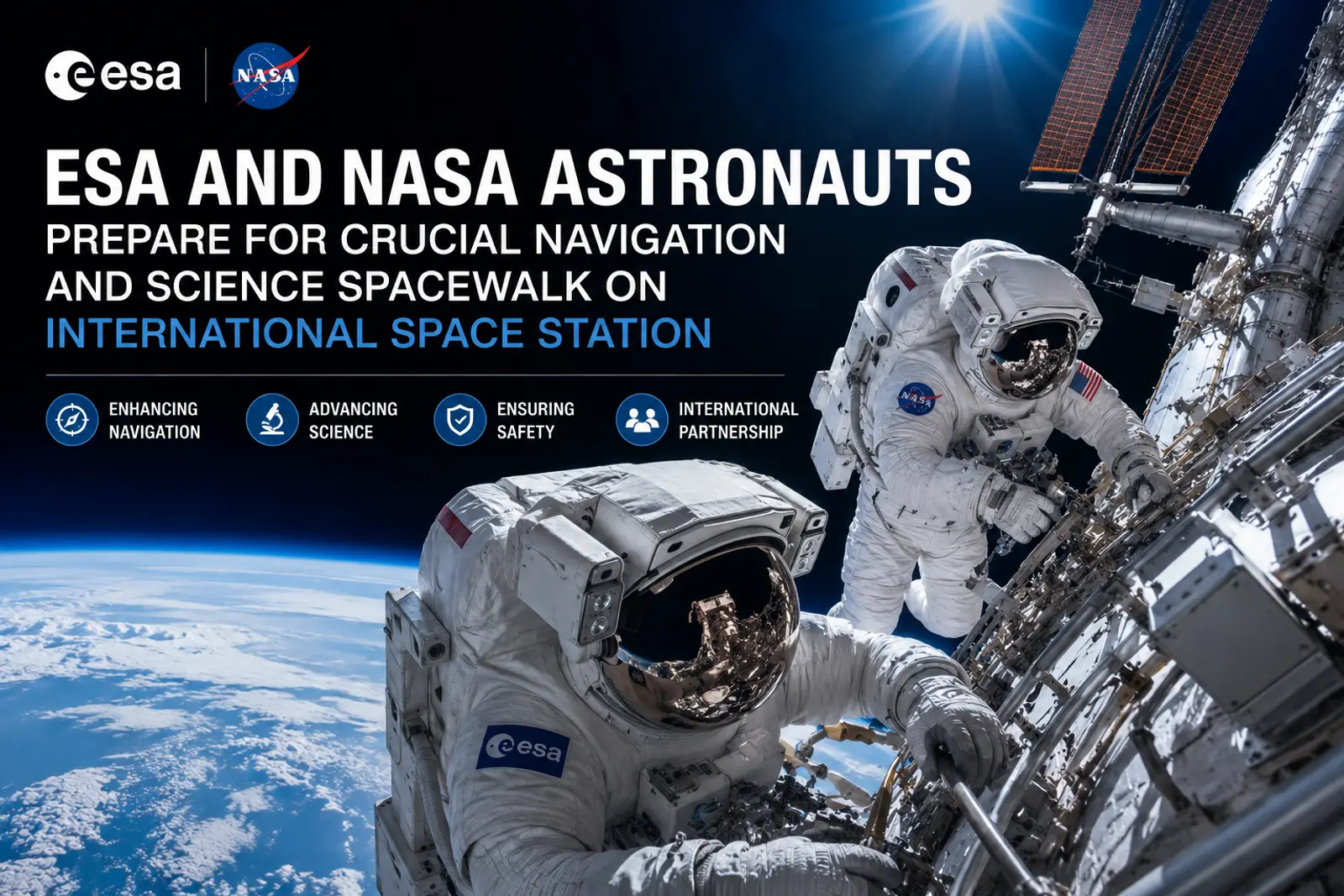
ESA astronaut Sophie Adenot and NASA astronaut Jessica Meir prepare for a six-and-a-half-hour spacewalk to upgrade navigation and science hardware.
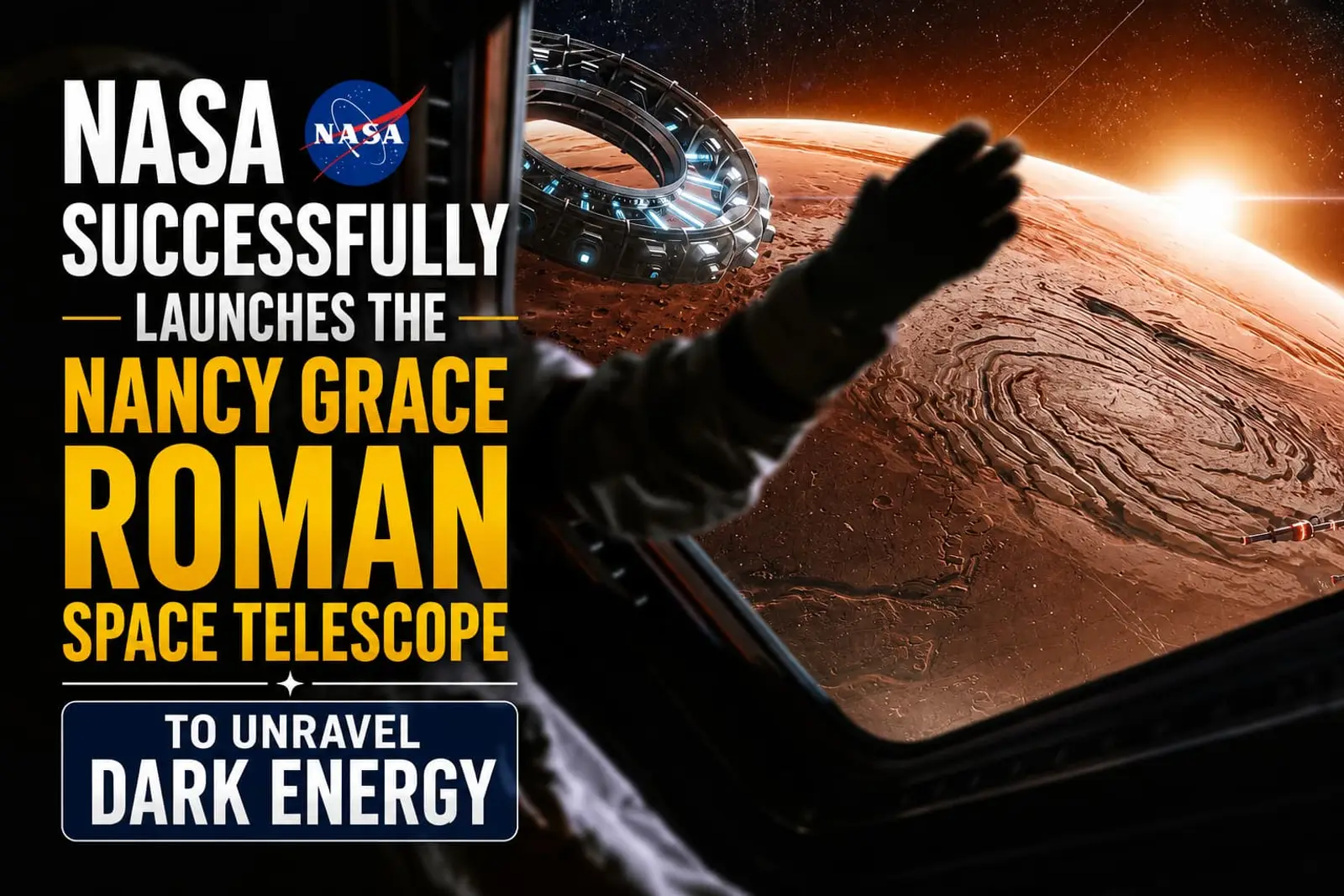
NASA successfully launches the Nancy Grace Roman Space Telescope on a SpaceX Falcon Heavy rocket, initiating a mission to map billions of galaxies and study dark energy.
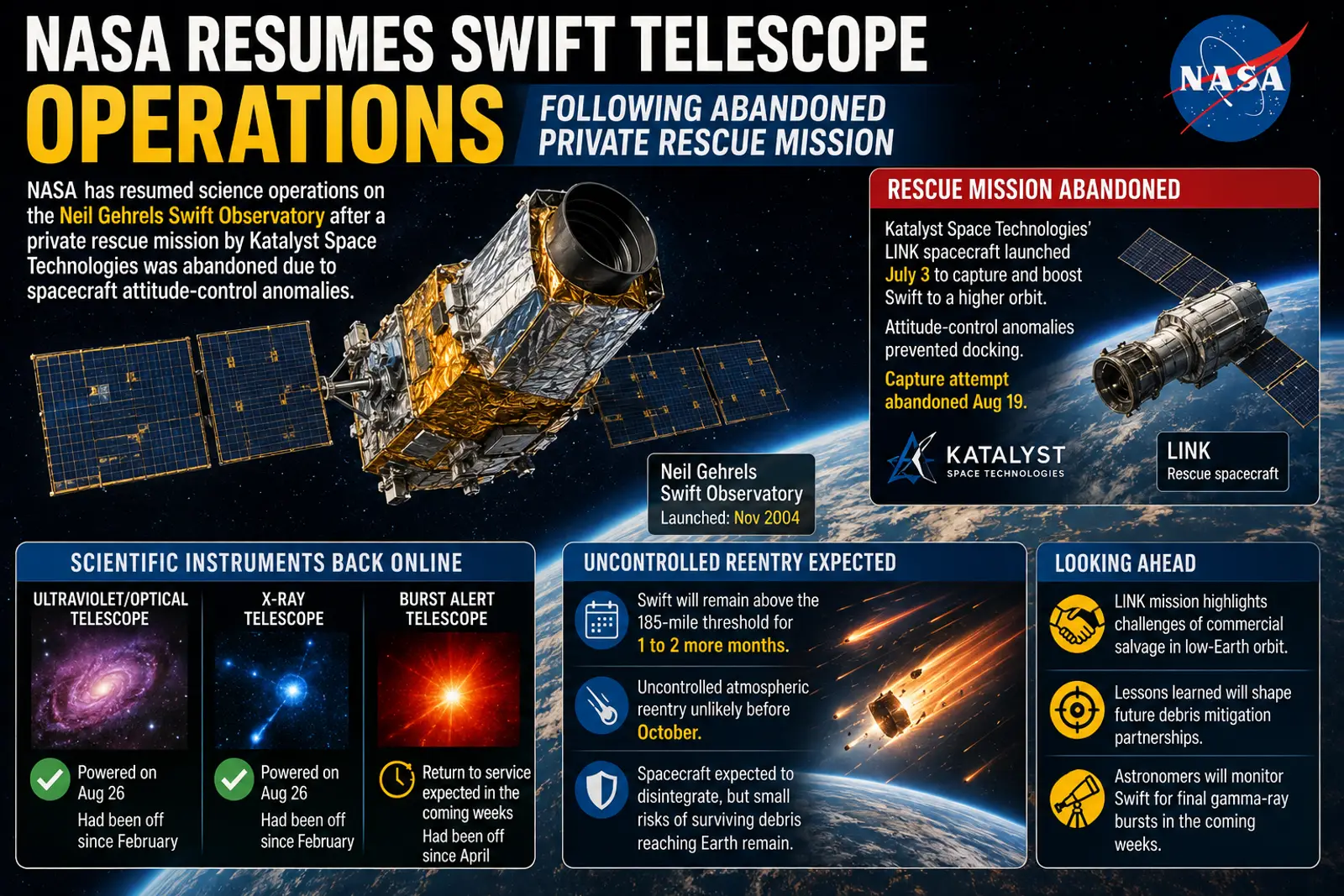
NASA has resumed science operations on the Neil Gehrels Swift Observatory after a private rescue mission by Katalyst Space Technologies was abandoned due to spacecraft attitude-control anomalies.
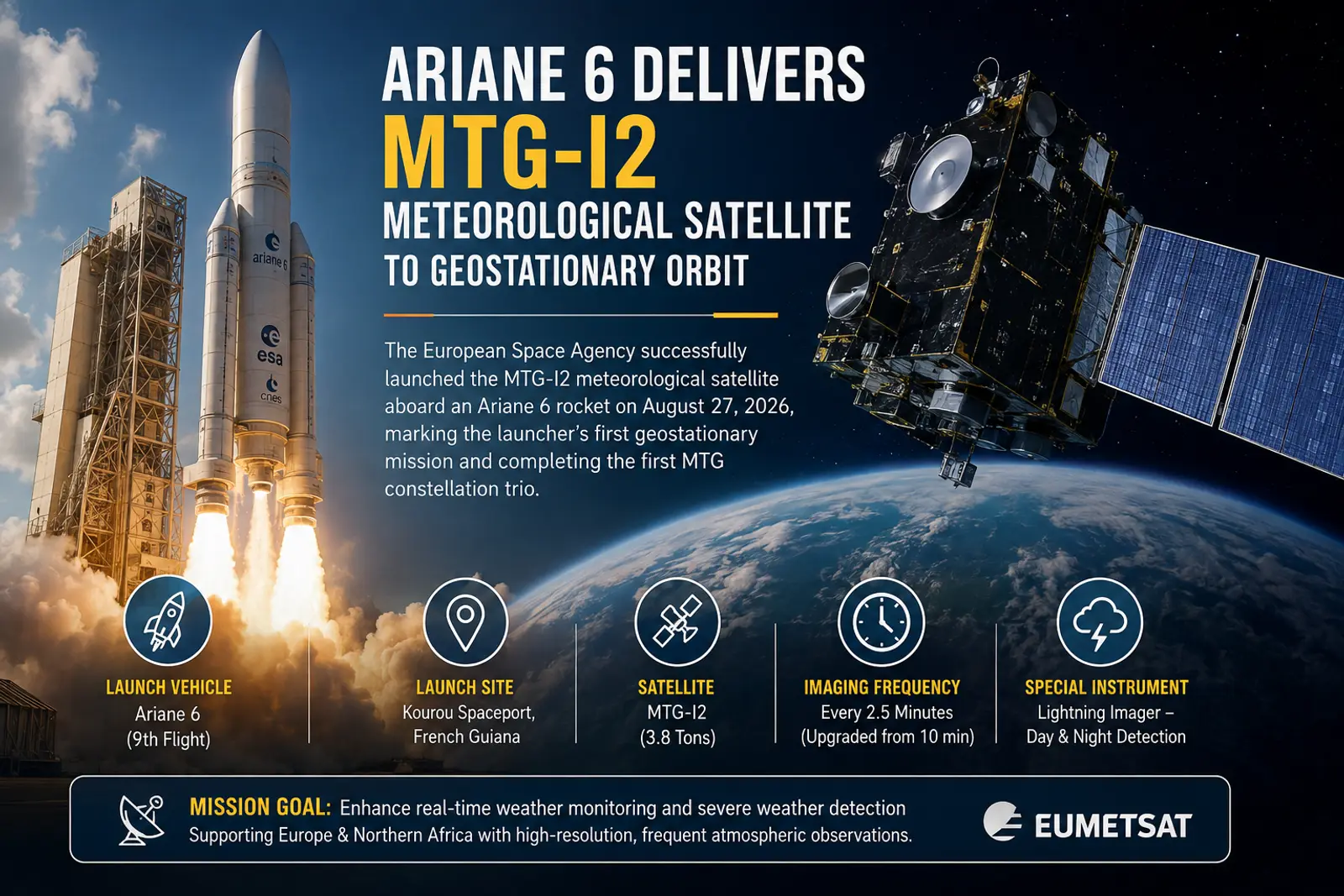
The European Space Agency successfully launched the MTG-I2 meteorological satellite aboard an Ariane 6 rocket on August 27, 2026, marking the launcher's first geostationary mission and completing the first MTG constellation trio.

As artificial intelligence reshapes the scientific workforce, employers increasingly prioritize foundational machine learning literacy over rigid technical certifications.
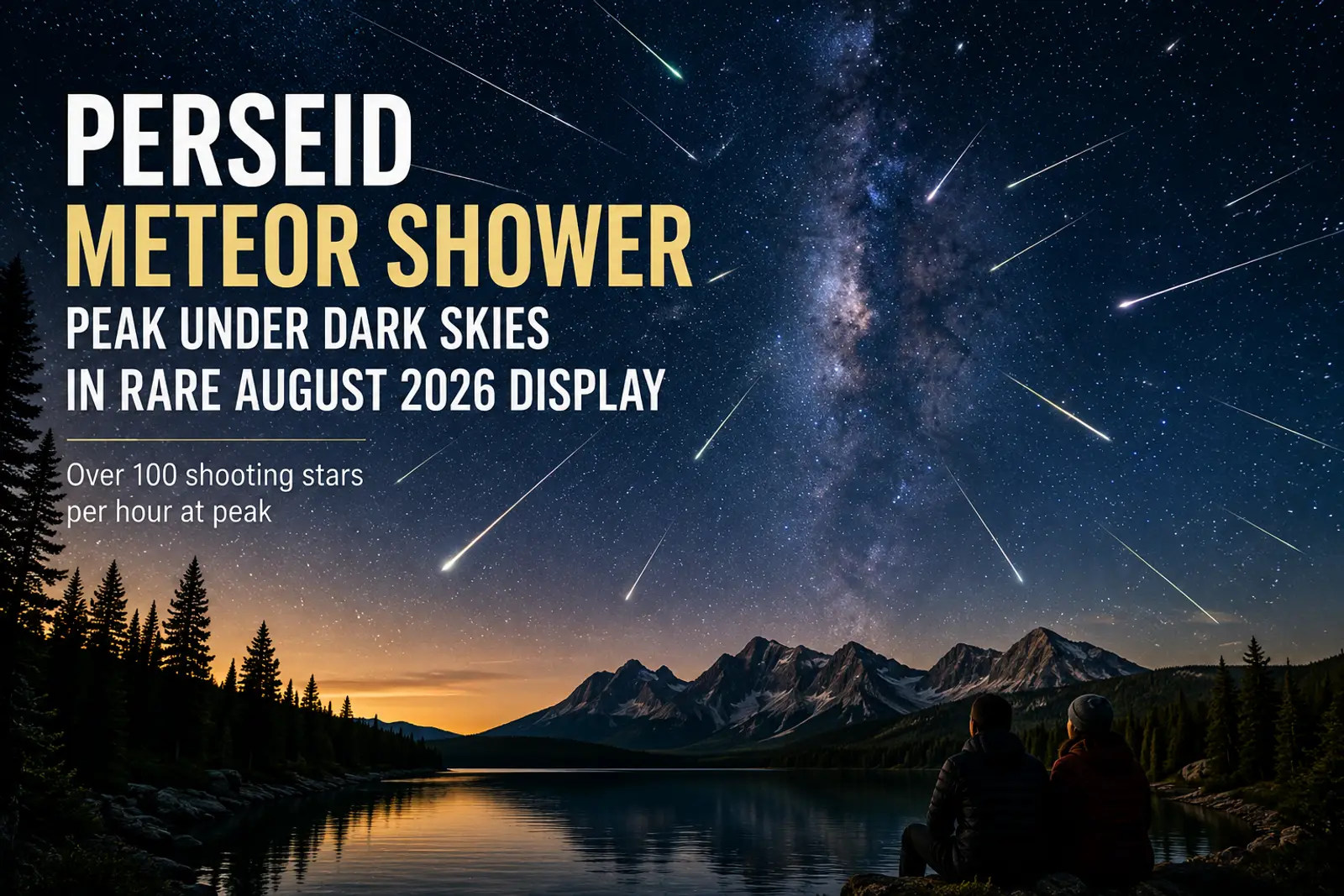
The 2026 Perseid meteor shower peaks under rare dark-sky conditions, offering viewers over 100 shooting stars per hour.

Recent genomic analyses of diverse populations reveal specific gene mutations linked to reduced risk of cardiometabolic diseases and unique physical traits, opening new avenues for preventative medicine.
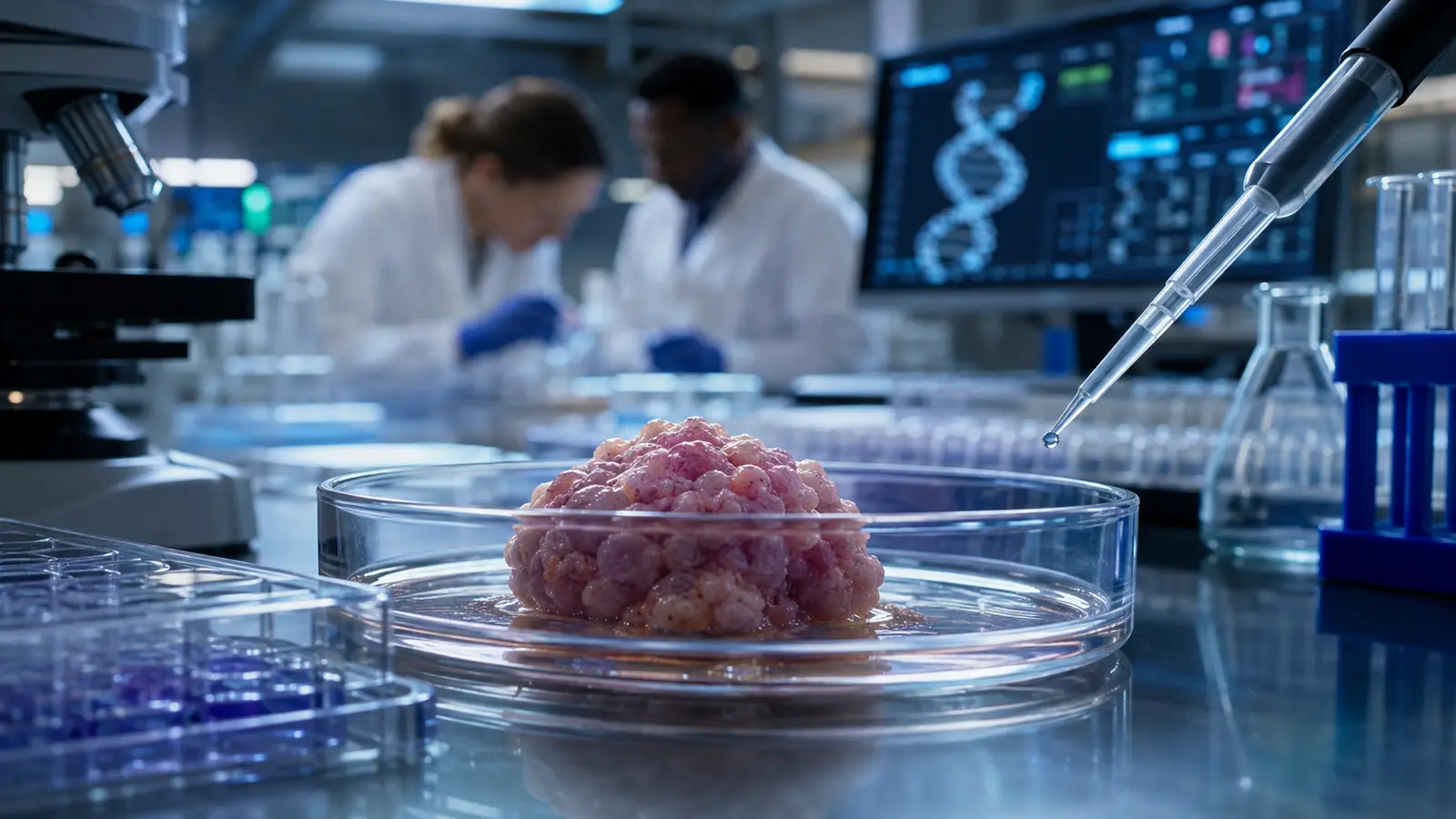
Researchers led by the Wellcome Sanger Institute have created a large patient-derived tumour organoid resource, using 256 clinically annotated models and CRISPR screening across 164 organoids to map cancer gene dependencies and identify potential therapeutic vulnerabilities.
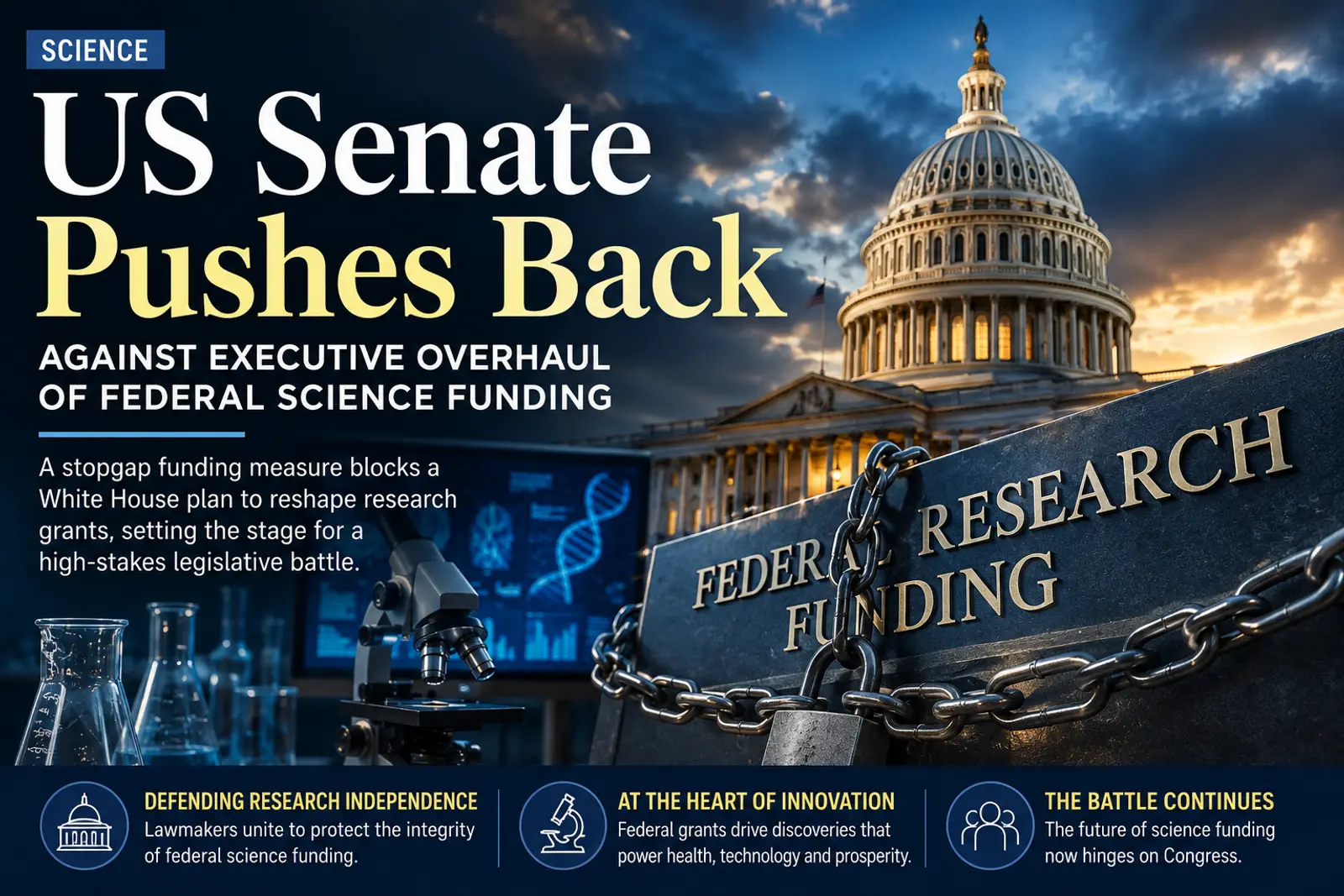
The US Senate has advanced a stopgap funding measure that blocks a controversial White House plan to overhaul federal science funding, sparking a high-stakes legislative battle over research autonomy.
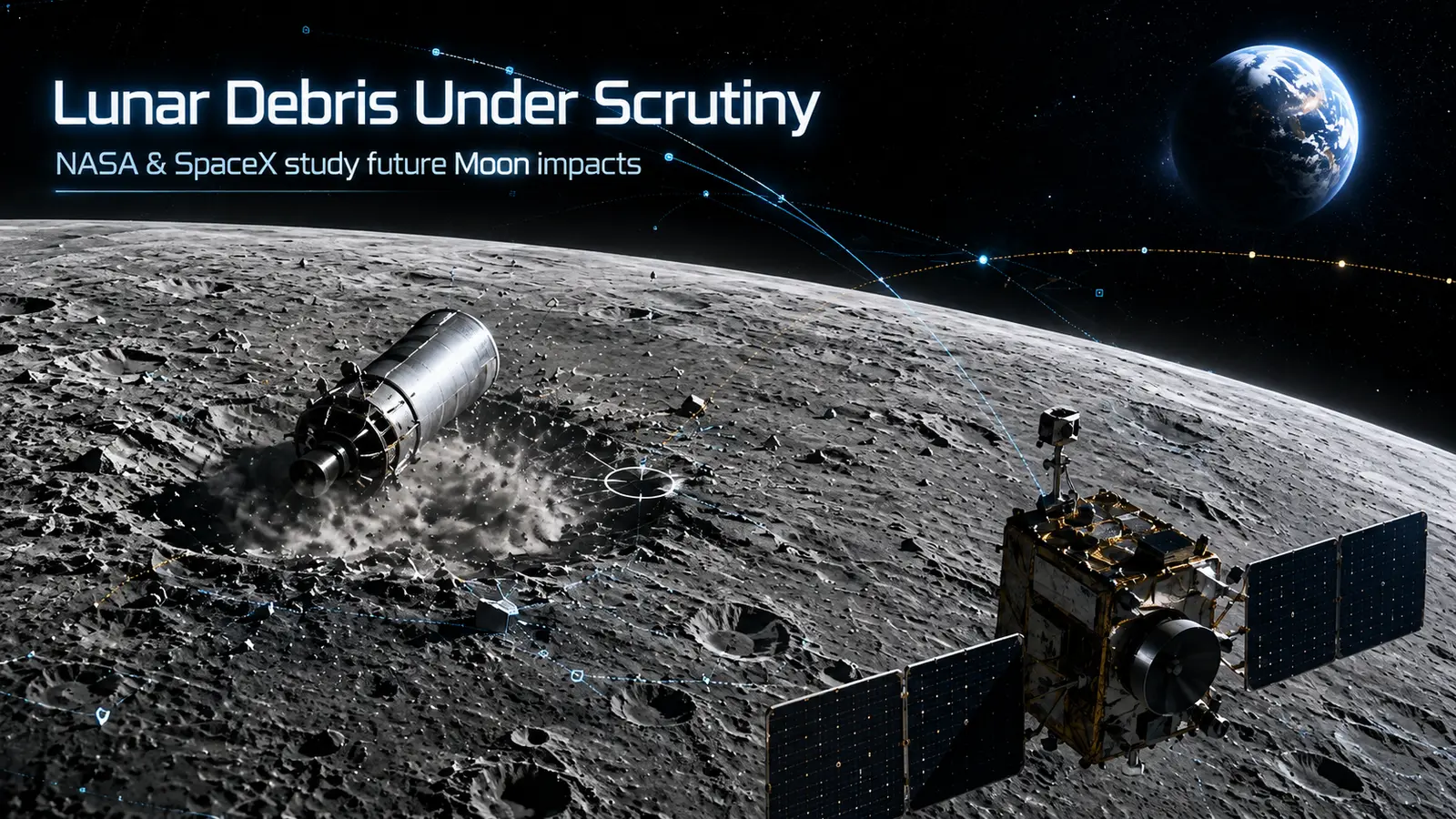
NASA and SpaceX are studying measures to reduce the risk of future upper-stage lunar impacts as commercial deep-space traffic grows, following an August 5 Falcon 9 collision whose aftermath was imaged by South Korea's Danuri orbiter.
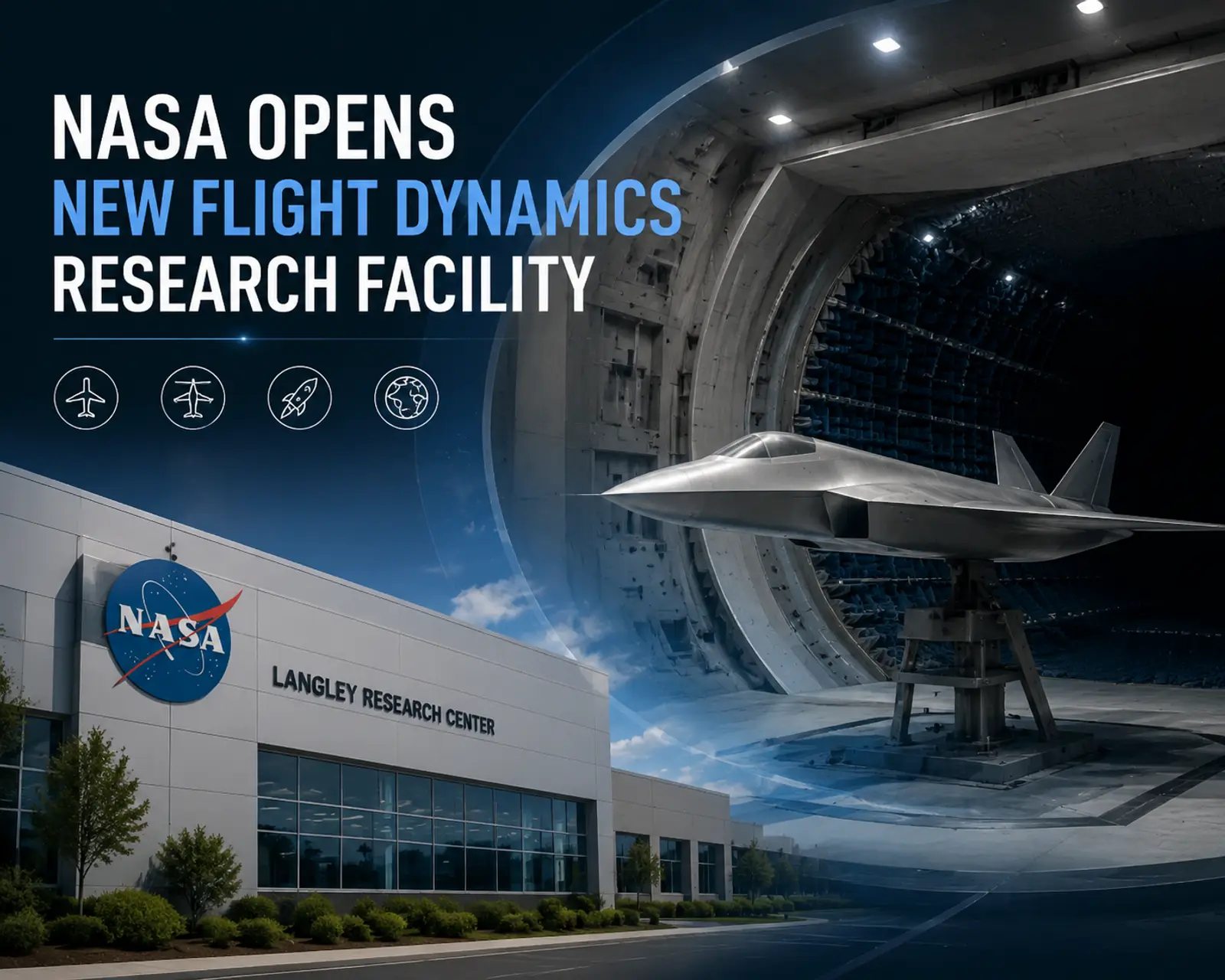
NASA has inaugurated the Flight Dynamics Research Facility at its Langley Research Center, marking the first major new wind tunnel built at the site in over forty years.
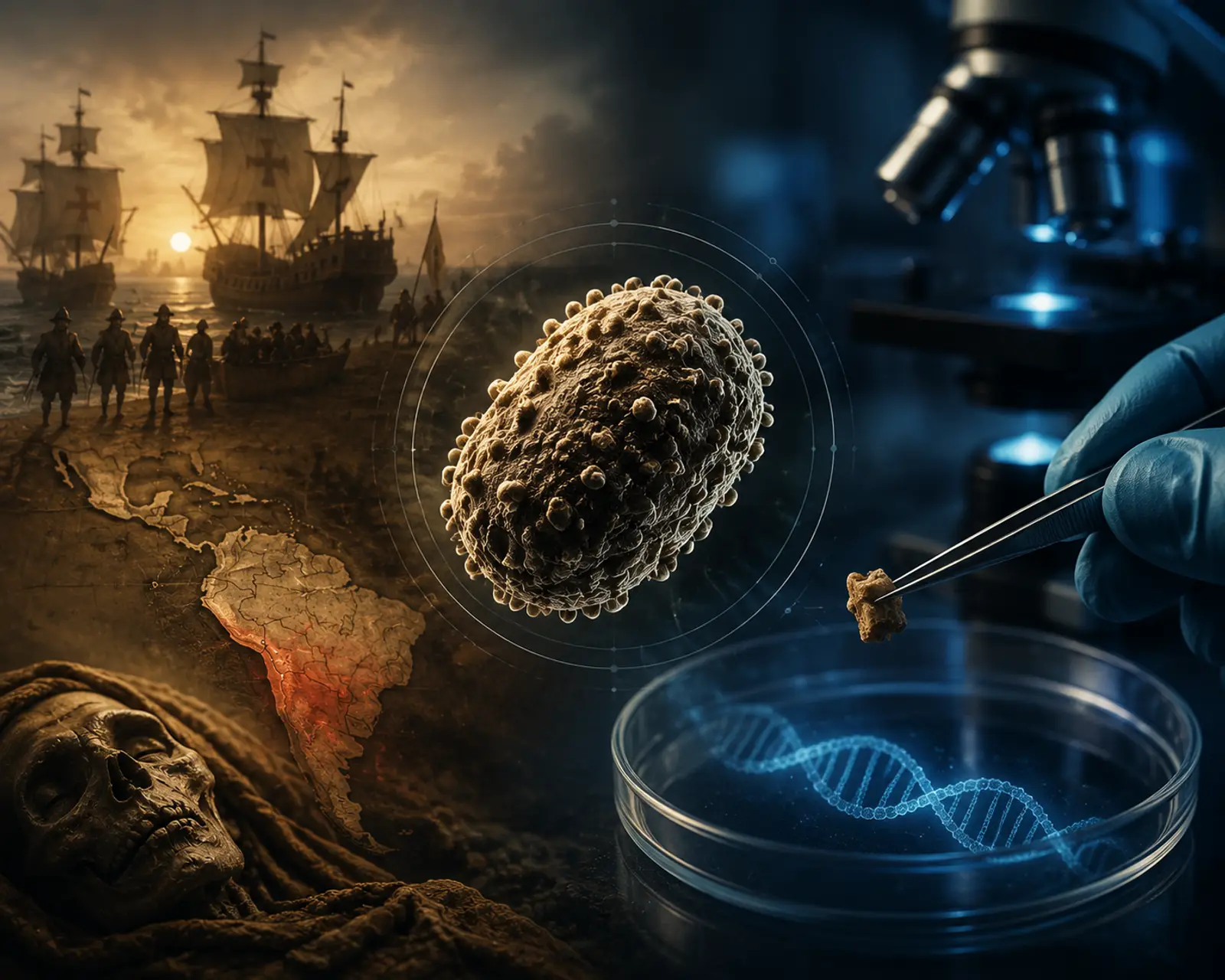
Recent genomic analysis of ancient DNA from Chilean mummies provides definitive scientific proof that early European colonization introduced smallpox to the Americas.
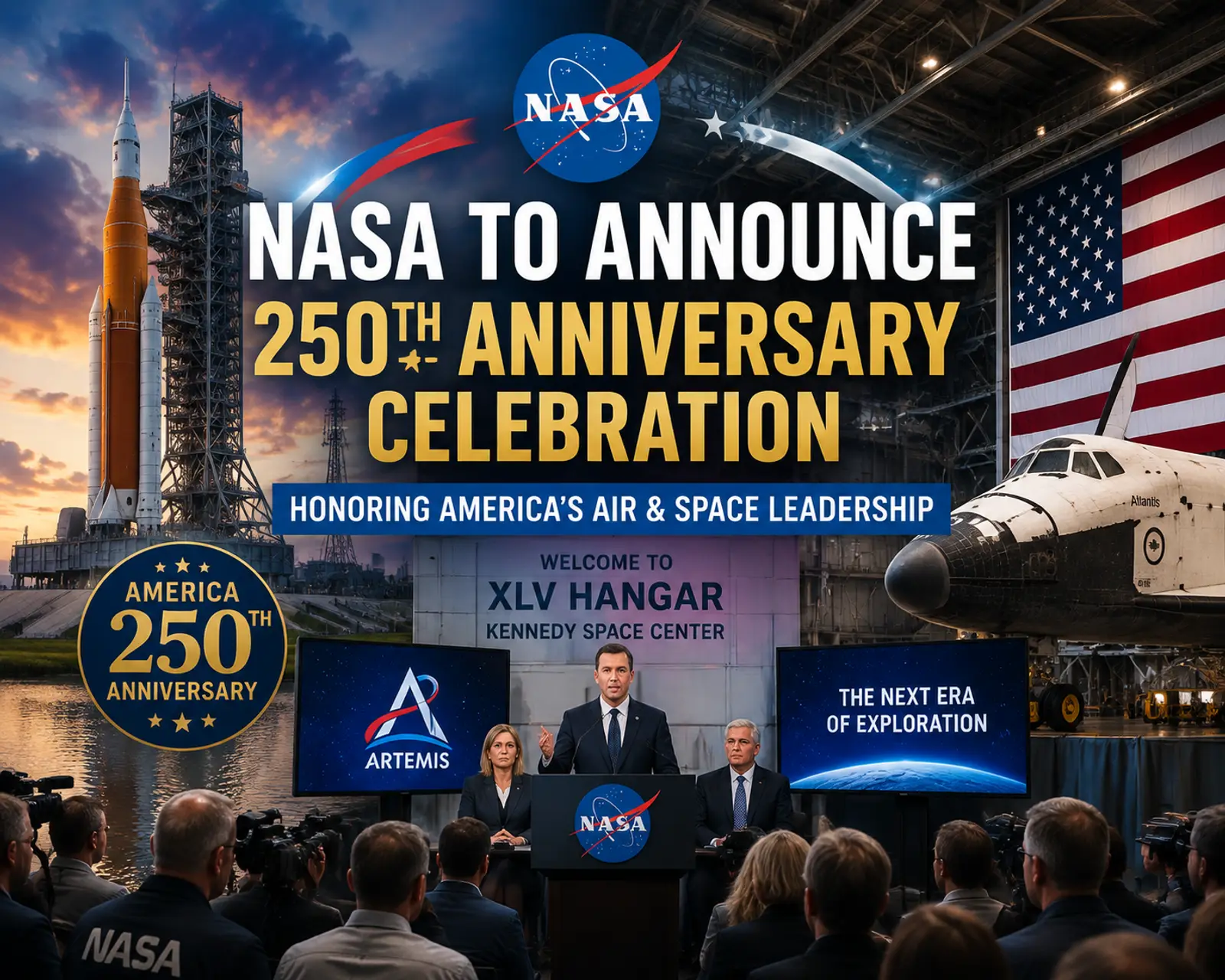
NASA will host a high‑profile news conference on 14 August at Kennedy Space Center, unveiling plans for a later‑year celebration of the United States’ 250th anniversary of leadership in aviation, space and emerging technologies.
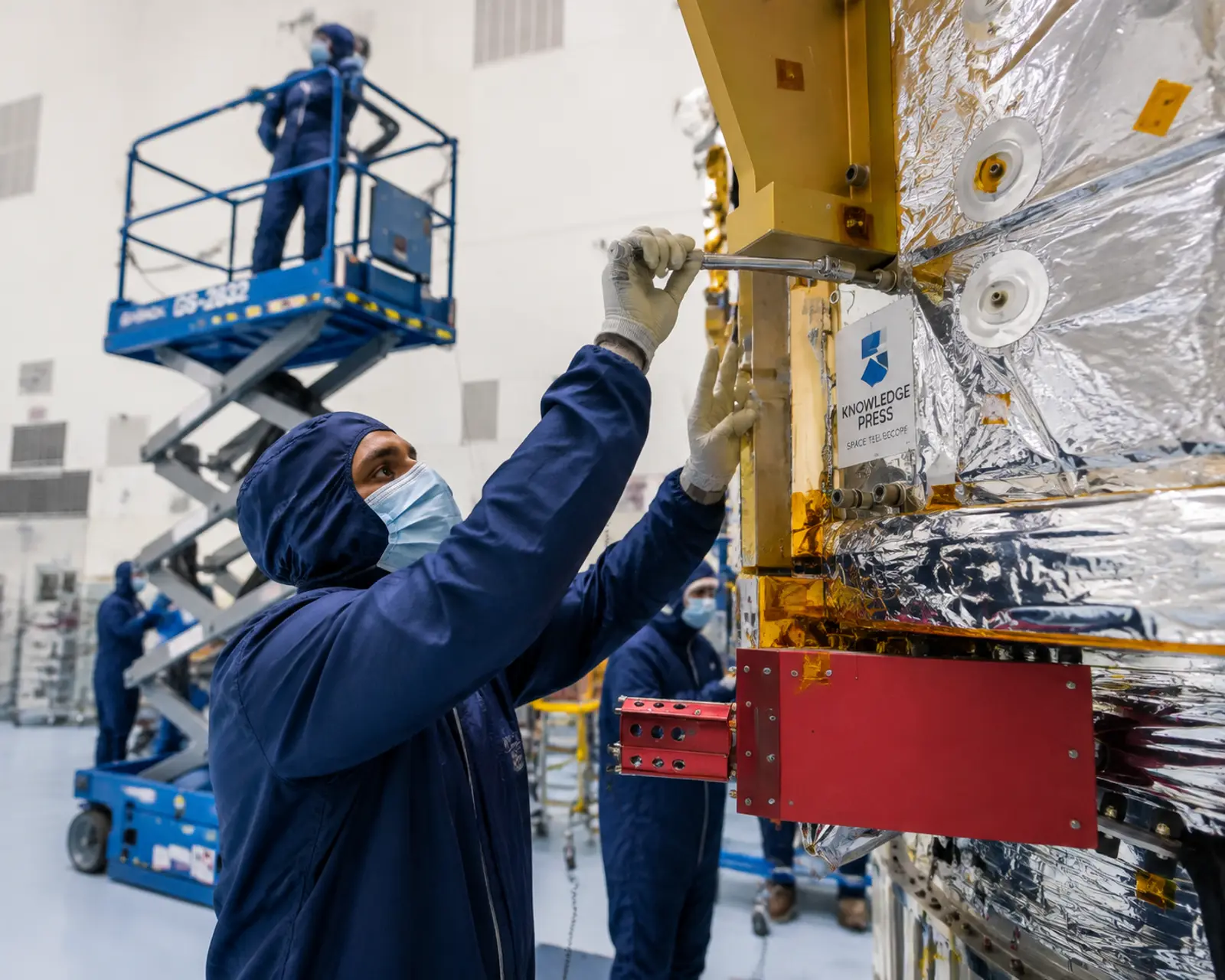
NASA’s Nancy Grace Roman Space Telescope will carry a memory card bearing 1.35 million names – a global tribute that will travel to the Sun‑Earth L2 point, linking humanity’s curiosity with the next generation of space‑based astronomy.
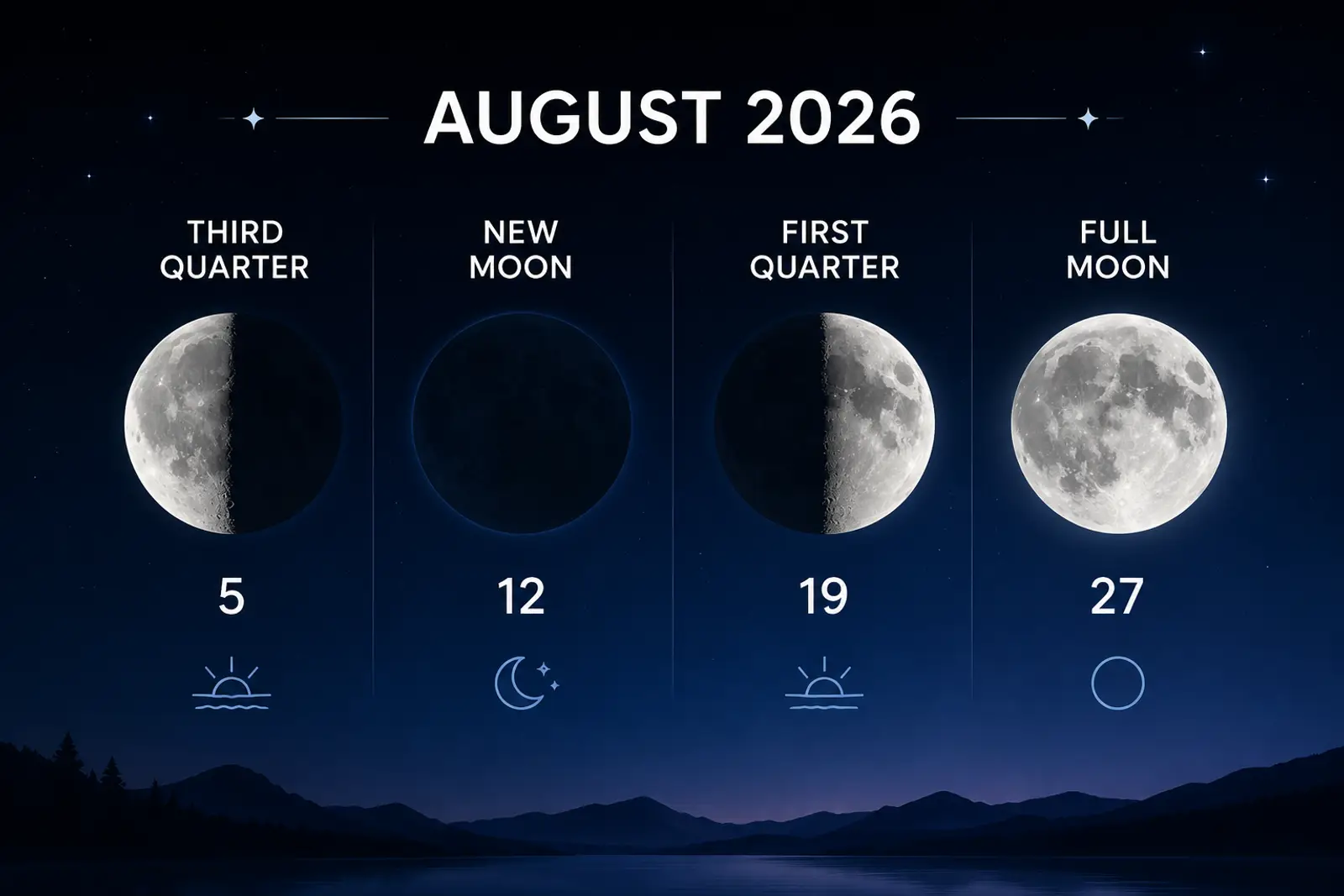
August 2026 offers a spectacular line‑up for amateur astronomers: a total solar eclipse across northern Europe, the Perseid meteor shower, Venus at its brightest, and a deep partial lunar eclipse later in the month.