The global climate system has reached another troubling juncture as average surface air temperatures matched historical highs, breaching critical warming thresholds and supercharging extreme weather across multiple continents. Scientific monitoring organizations have confirmed that ongoing anthropogenic emissions, compounded by shifting oceanic cycles, continue to drive planetary heating at an unprecedented pace. Understanding these shifts is vital as communities worldwide confront the escalating frequency of environmental disruptions.
Record Average Temperatures Reached
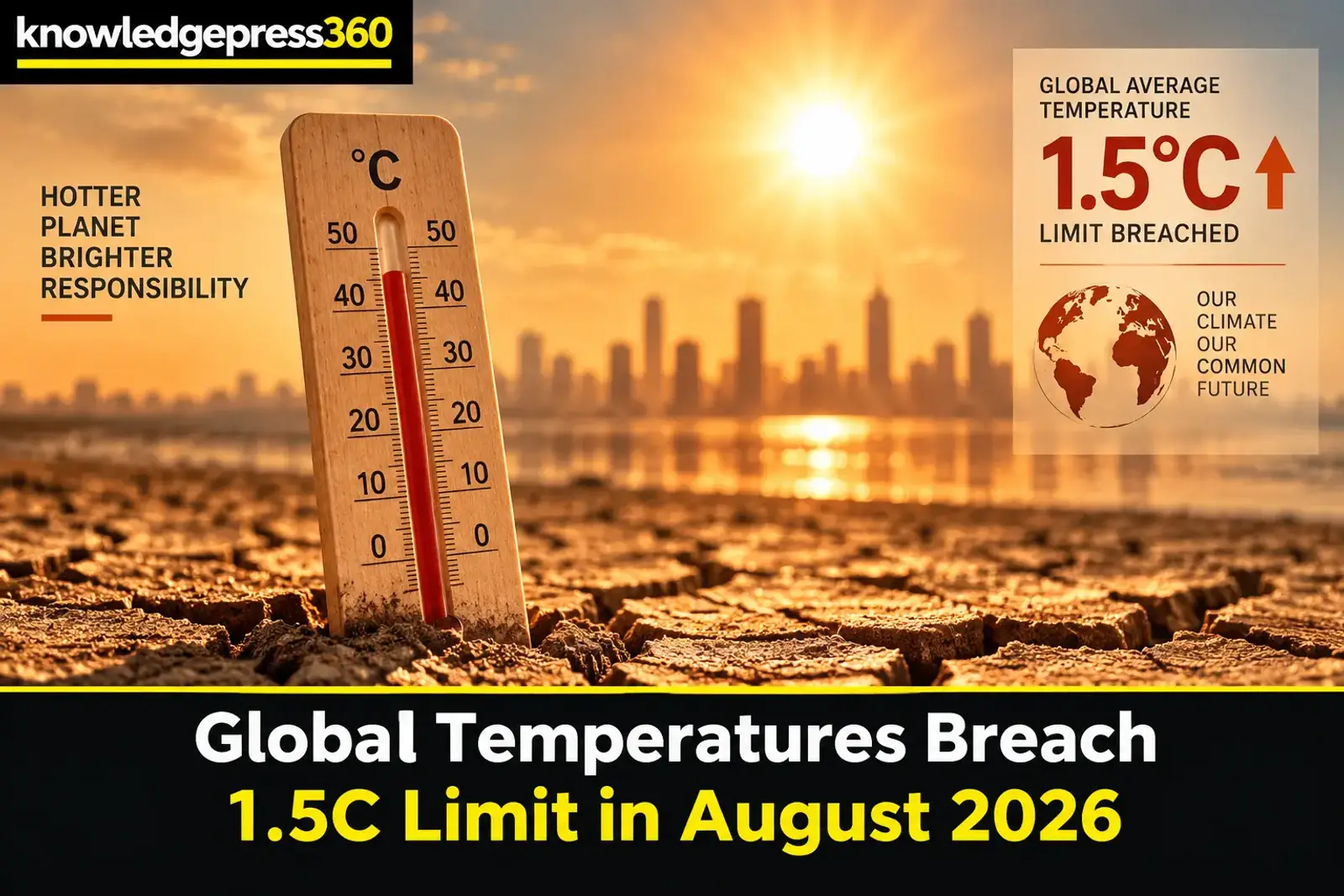
Earth's average surface air temperature climbed to 16.96°C in August 2026, tying with July 2023 as the hottest month ever recorded globally according to data from the European Union's Copernicus Climate Change Service. This figure places the global average 1.65°C above the estimated pre-industrial baseline for the 1850 to 1900 reference period. It marks the first time a monthly temperature reading has exceeded the 1.5°C threshold since November 2025. Although climate authorities emphasize that individual monthly spikes do not officially breach the long-term targets established under the Paris Agreement, the sustained negative anomaly signals an accelerating and dangerous trajectory for global warming.
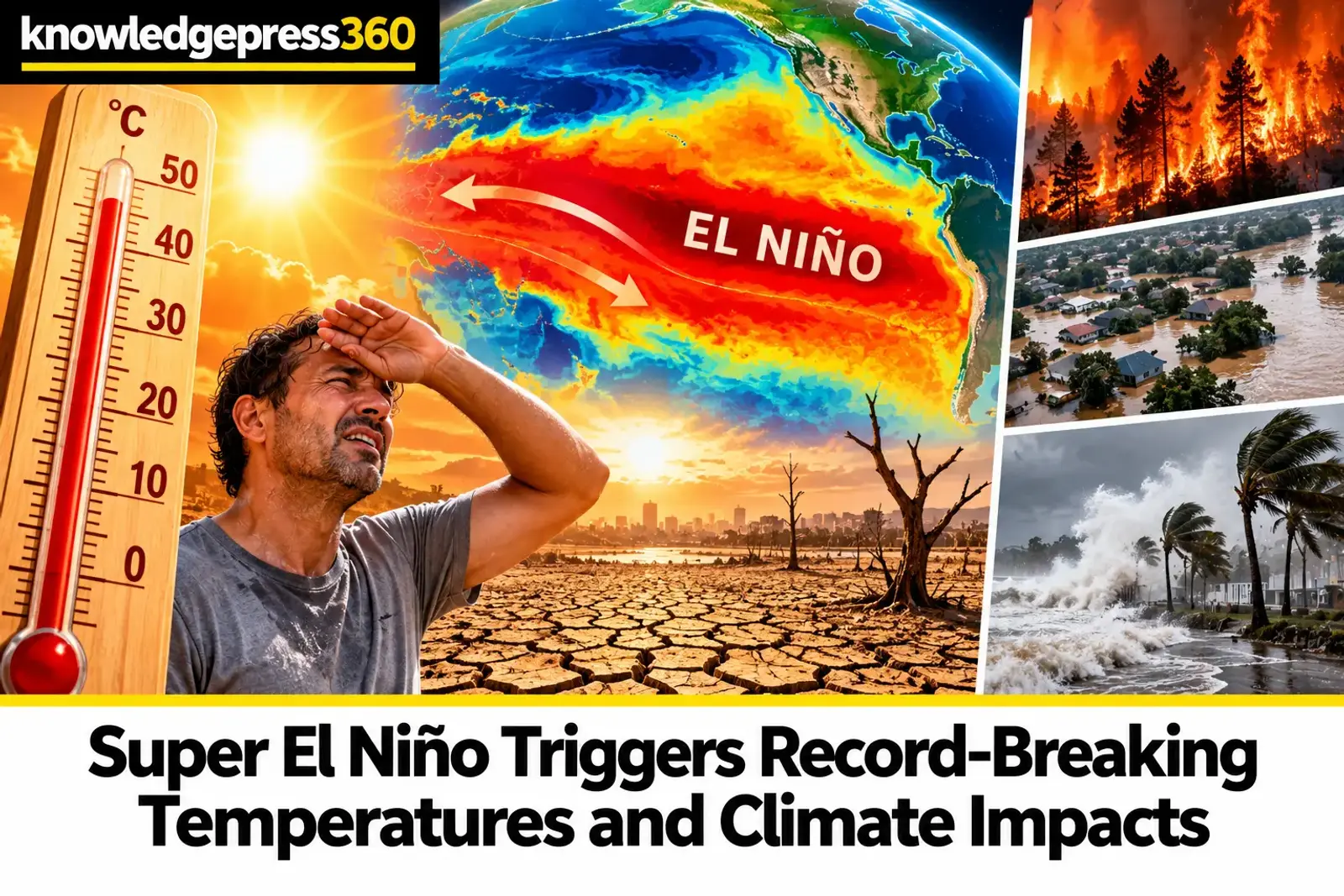
The persistent heat is driven primarily by continued fossil fuel combustion acting in tandem with a strengthening Pacific El Niño phase. This cyclical climatic pattern adds an estimated transient warming of 0.1°C to 0.2°C to baseline greenhouse gas pressures. Across the Northern Hemisphere, these combined forces manifested as severe societal disruptions throughout the summer. Western Europe and the United States both logged their hottest summers on record, bringing thousands of excess heat-related deaths and extensive wildfire smoke that degraded air quality across vast regions.
Himalayan Multi Hazard Floods
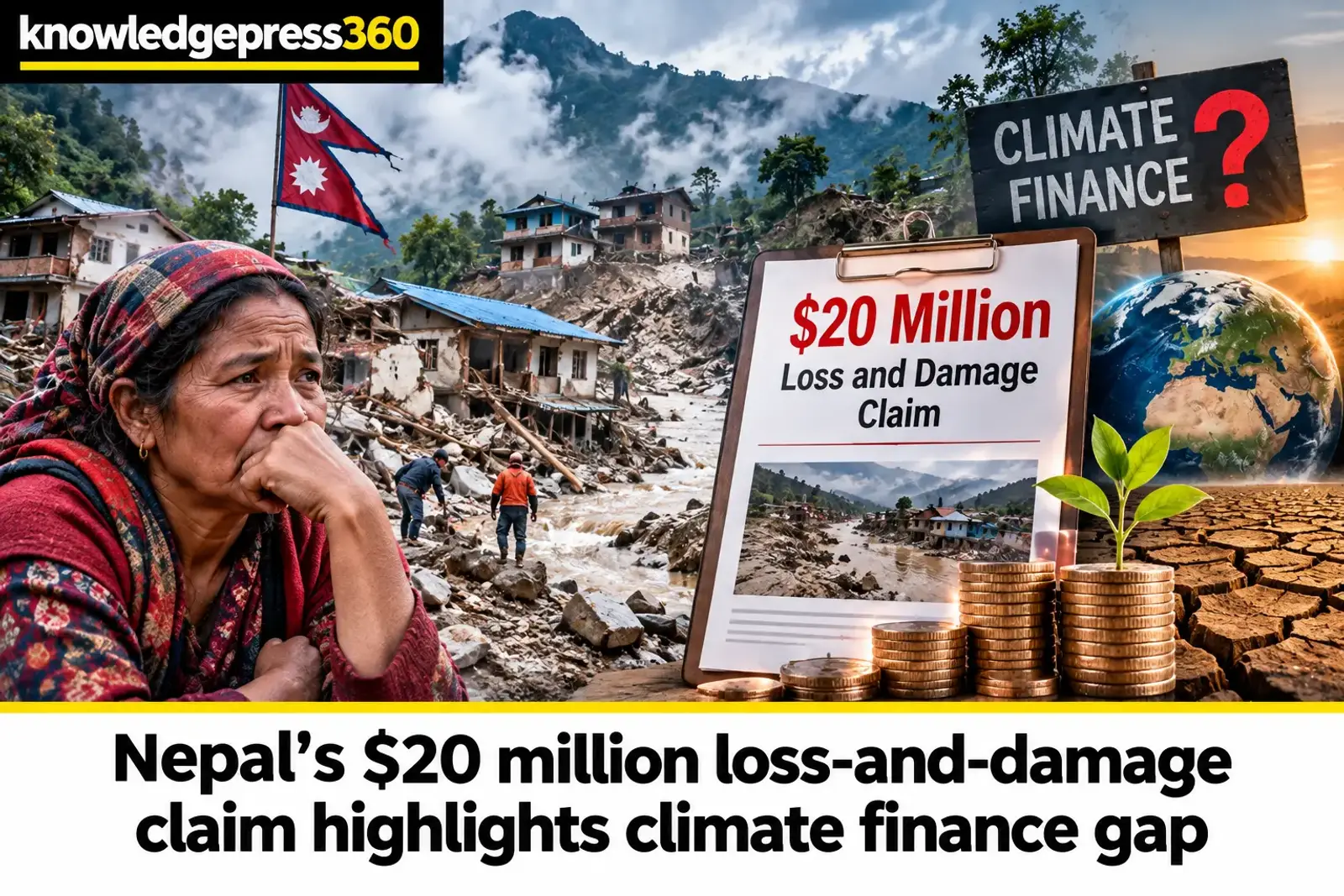
The compounding impacts of this extreme warmth extended far beyond conventional heatwaves, triggering catastrophic disasters in high-altitude mountain ecosystems. On August 26, 2026, a massive bedrock and glacial collapse struck Langtang-Lirung mountain in the Himalayas, unleashing devastating flash floods across border regions in Nepal and Tibet. The disaster resulted in more than 1,300 fatalities and left thousands of residents missing, prompting national leaders to warn that regional climate risks are intensifying rapidly.
High-mountain expert consortia examining satellite imagery and seismic data characterized the event as a complex multi-hazard cascade. While some skepticism arose regarding the direct role of global heating, researchers noted that rapid atmospheric warming significantly increases the likelihood of such ice-rock avalanches. Rising temperatures, accelerated glacier retreat, and progressive permafrost thaw are destabilizing steep topography throughout Asia's high-mountain ranges, leaving local populations increasingly vulnerable to sudden flooding and massive debris flows.
Analytical Limitations And Uncertainties
Despite comprehensive reanalysis datasets and rigorous observational networks, certain analytical uncertainties persist within climate science. Researchers continue to debate the precise proportional contribution of short-term oceanic oscillations versus persistent anthropogenic forcing in driving monthly temperature spikes. Furthermore, mapping the precise localized tipping points for permafrost degradation and glacial destabilization remains extraordinarily difficult, complicating efforts to forecast exact event timings in vulnerable mountainous regions.
Variations in datasets also stem from differing methodological approaches used by international meteorological institutions. While reanalysis models like ERA5 integrate vast arrays of satellite measurements and past observations, station-based datasets rely on statistical interpolation to fill geographical gaps. Recognizing these methodological boundaries ensures that policy decisions remain grounded in robust, transparent evaluations of scientific evidence without overstating short-term variability.
Future Milestones And Policies
As public health systems and civil infrastructure face mounting pressures, attention shifts toward upcoming international assessments and policy deadlines. Consolidated State of the Climate updates from the World Meteorological Organization are anticipated to synthesize global observations and guide preparations for upcoming United Nations climate summits. National governments face intensifying pressure to strengthen adaptation strategies, upgrade flood defenses, and implement more rigorous public health protections against extreme weather.
Addressing these escalating vulnerabilities requires coordinated international action and substantial financial investment in resilient infrastructure. The events of August 2026 serve as a stark reminder of the widening gap between current climate preparedness and the reality of accelerating global heating. How governments respond to these emerging milestones will dictate humanity's capacity to manage cascading environmental risks in the decades ahead.