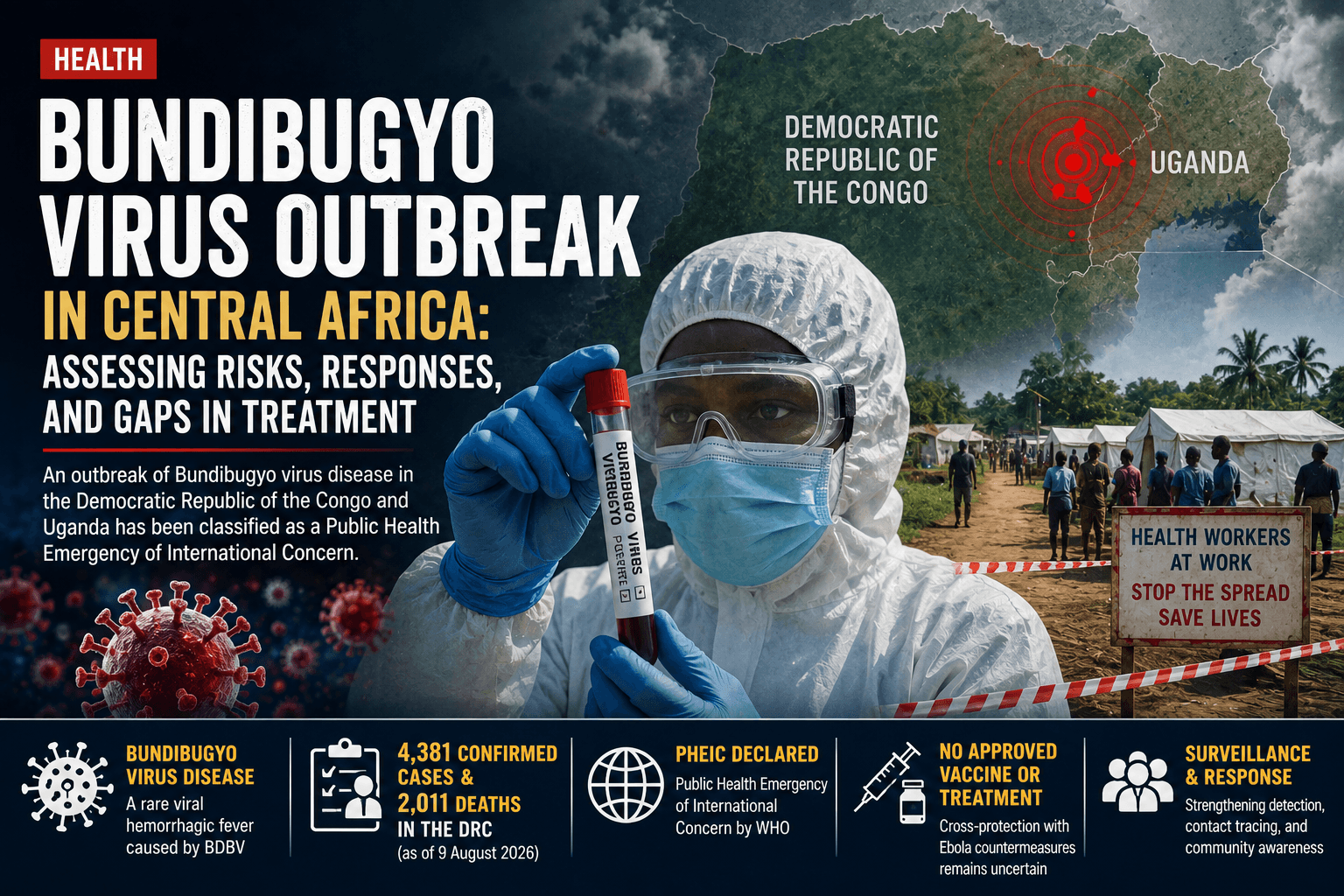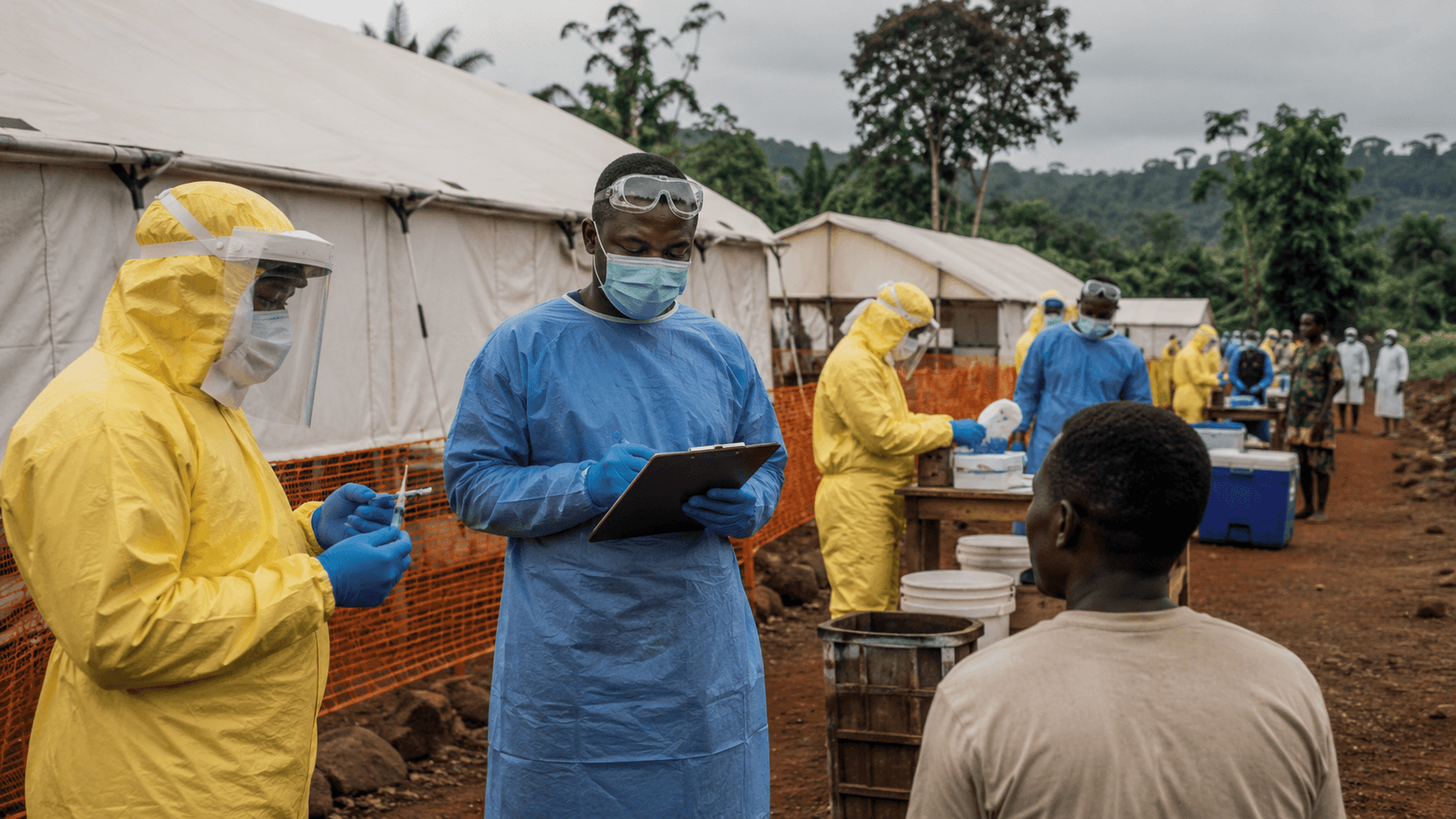
The ongoing health crisis in the Democratic Republic of the Congo has brought global biosecurity frameworks under intense scrutiny. As public health authorities grapple with an aggressive escalation of viral hemorrhagic fever, the situation highlights the complex vulnerabilities inherent in managing emerging pathogens within resource-constrained and conflict-affected regions. Understanding the origins, operational hurdles, and international responses to this event is crucial for evaluating global health emergency preparedness moving forward.
What happened
The crisis centres on an unprecedented surge of viral hemorrhagic fever within the Democratic Republic of the Congo. According to statements from the World Health Organization, epidemiological investigations and genetic sequencing have revealed that the epidemic began months earlier than initially recognized, starting in February 2026 before being officially declared in mid-May. During the initial weeks, early presentations of the illness were frequently misattributed to endemic conditions such as malaria and typhoid, delaying targeted public health interventions.
As the true nature of the pathogen became clear, the epidemic expanded rapidly across local communities. The World Health Organization regional office for Africa noted that the transmission velocity makes this one of the fastest-growing viral hemorrhagic fever surges on record. Confirmed infections have now surpassed 4,200 cases, with fatalities exceeding 1,900 individuals. International health agencies have mobilized resources, but the sheer scale of the caseload has strained local infrastructure and overwhelmed response teams operating in active conflict zones.
What the evidence shows
Clinical data confirms that the outbreak is driven by the Bundibugyo virus, a distinct strain causing Bundibugyo virus disease, or BVD. Unlike more common strains, the Bundibugyo variant presents unique challenges for clinical management. Crucially, there are currently no commercial vaccines or specific antiviral therapeutics officially approved to prevent or treat this specific disease variant.
In response to the deficit of dedicated countermeasures, the World Health Organization has recommended clinical trials for the Ervebo vaccine to assess whether it offers cross-protection against the Bundibugyo variant. Concurrently, international bodies such as the United States Centers for Disease Control and Prevention have instituted interim public health guidance. This includes 21-day quarantine and monitoring protocols, alongside temporary entry restrictions for travelers arriving from affected regions to prevent international dissemination.
Context and limits
Efforts to contain the outbreak face severe operational impediments on the ground. Response teams must navigate remote, unpaved terrain that complicates the rapid transport of medical supplies and isolation units. Furthermore, regional insecurity involving active rebel groups severely restricts humanitarian access to key transmission hotspots. Community skepticism and misinformation regarding medical interventions have further complicated containment strategies, leading to pockets of resistance against public health messaging.
Compounding these structural barriers, local healthcare workers have staged protests and strikes over unpaid wages and critical shortages of personal protective equipment. These labor disputes have periodically disrupted clinical operations in treatment centers, heightening the risk of nosocomial transmission. Furthermore, uncertainties persist regarding the exact zoonotic reservoirs of the Bundibugyo strain, the true efficacy of repurposed vaccines in field trials, and the timeline required to stabilize community engagement in volatile districts.
What happens next
Addressing the ongoing emergency requires a multifaceted approach focused on operational stabilization and scientific research. International and domestic health authorities are prioritizing the expansion of clinical trials to evaluate cross-reactive vaccines and develop dedicated therapeutics for the Bundibugyo strain. Concurrently, efforts are underway to resolve compensation grievances among frontline healthcare personnel to ensure continuous operation of treatment facilities.
On a broader structural level, institutional partnerships such as the recent collaboration between the World Health Organization and Tsinghua University aim to integrate artificial intelligence and frontier technologies into global risk assessment frameworks. Observers will closely monitor the enforcement of international travel protocols, the progression of vaccine trial data, and the stabilization of humanitarian corridors in the Democratic Republic of the Congo over the coming months.