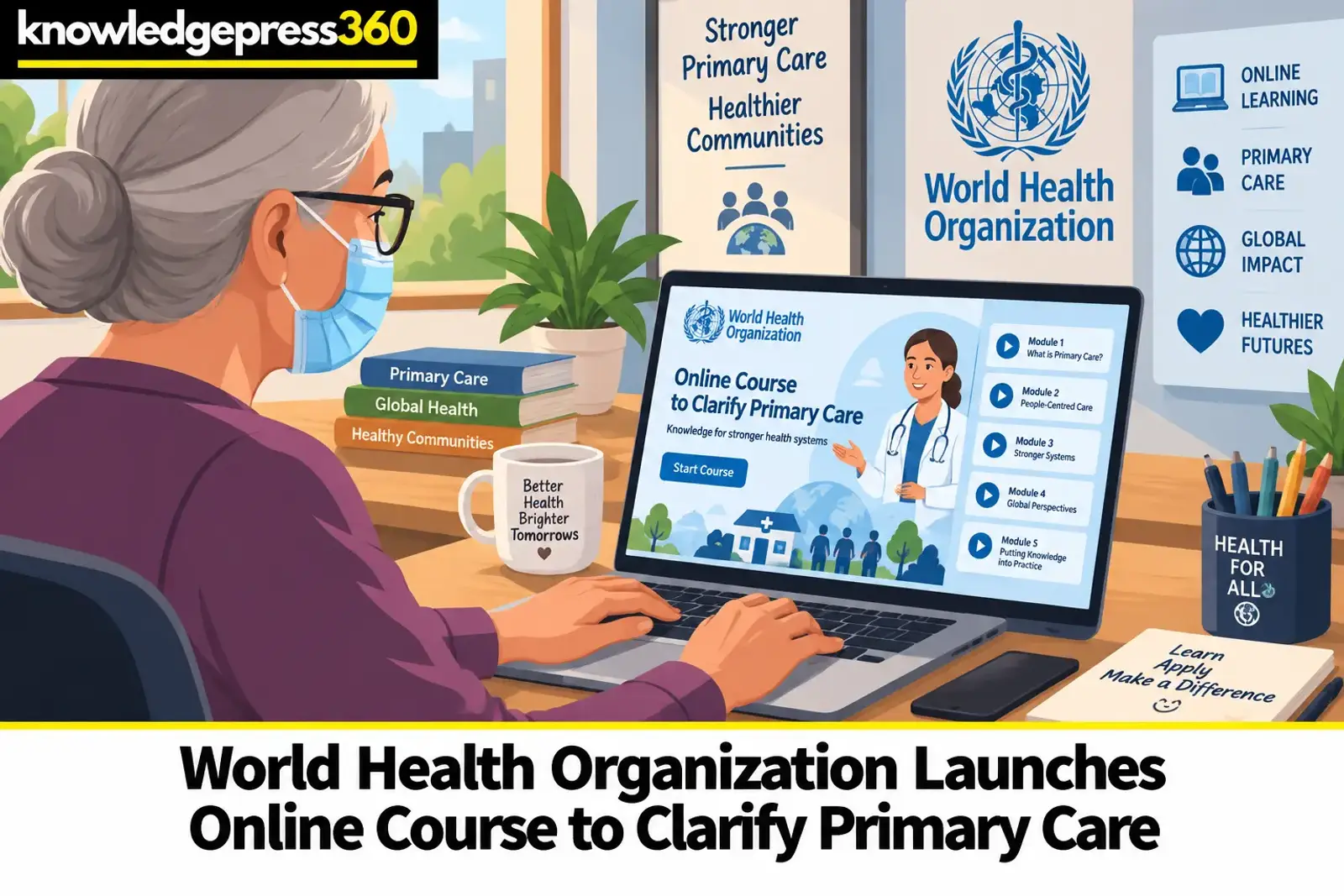
Access to proper medical care should never depend entirely on an individual's residential location or financial standing, yet that fundamental guarantee remains elusive for millions worldwide. To bridge this persistent divide, the World Health Organization has officially introduced a free educational initiative titled The Primary Health Care Approach: A Short Course, hosted on the specialized WHO Academy digital learning environment. This development matters urgently because, despite nearly half a century of rhetorical dedication across international borders, primary health care continues to suffer from deep conceptual misunderstandings that directly hinder global progress toward universal health coverage. By demystifying operational fundamentals and aligning international stakeholders around concrete definitions, this digital curriculum aims to transform high-level policy commitments into tangible improvements in community wellbeing.
Unpacking New Curriculum Structure
Delivered entirely online as a self-paced learning journey, the ninety-minute programme is meticulously organized into five distinct modules designed to bridge broad theoretical frameworks with everyday administrative practice. Learners navigate core topics that examine why primary care remains indispensable, the three foundational pillars of the model, and the various operational levers necessary for robust institutional strengthening. Furthermore, the curriculum incorporates targeted lessons on navigating complex health system transformations through structured political-economy analysis and compassionate leadership. Adapted directly from a comprehensive 2024 capacity-building initiative for global health leaders, the short course responds to an overwhelming international appetite for concise, high-yield educational material that can be absorbed by busy administrators and clinicians alike.
Global Uptake And Metrics
Since its recent rollout, the educational offering has demonstrated remarkable traction among international health professionals, attracting over three thousand participants hailing from more than one hundred and forty countries within its initial months of availability. This broad geographical spread underscores a universal hunger for standardized guidance on structuring community-oriented health architectures. Participants who successfully navigate the modular assessments receive a formal WHO Academy Award of Completion, validating their engagement with international best practices. Dr Kalipso Chalkidou, Director of the Department of Performance, Financing and Delivery at the organization, noted that broad consensus among member states creates a unique window of opportunity to accelerate structural reform. By establishing a shared baseline of knowledge, the initiative equips regional health workers to advocate more effectively for equitable resource allocation and responsive service delivery.
Implementation Hurdles And Gaps
Despite the encouraging initial registration figures, important constraints remain regarding accessibility and long-term efficacy. At present, the curriculum is offered exclusively in English, which naturally restricts participation among frontline healthcare workers whose primary professional languages differ. Although administrative officials are actively exploring subsequent language translations, no definitive timeline has been established for these vital rollouts. Moreover, the extent to which a concise online course can measurably alter regional administrative practices or shift entrenched bureaucratic inertia remains an open question. Observers emphasize that digital instruction alone cannot resolve deep-seated structural underfunding or workforce shortages, serving instead as a preliminary catalyst rather than a standalone cure for fragmented health architectures.
Future Milestones And Integration
Looking ahead, the primary milestone for the initiative will involve the anticipated release of multi-language versions to expand access across diverse linguistic regions. Observers will also monitor institutional follow-up reports to gauge whether participants successfully translate these digital lessons into tangible reforms within their local ministries of health. As international health bodies continue to grapple with systemic vulnerabilities, the success of this educational drive will ultimately be judged by its capacity to foster lasting cooperation and equitable service expansion across diverse geopolitical landscapes.