Medical science continues to navigate complex frontiers as recent findings in oncology and neurobiology open unprecedented avenues for therapeutic intervention. Modern biomedical research faces a persistent translational bottleneck, particularly when traditional laboratory models fail to faithfully replicate intricate human pathologies. Two distinct scientific advancements have captured global attention, offering renewed hope for conditions previously deemed exceptionally resistant to conventional treatment strategies. From novel oncology compounds targeting difficult genetic mutations to groundbreaking chimeric neural models developed at major academic institutions, investigators are pushing past long-standing scientific boundaries.
Implanting human brain organoids in mice
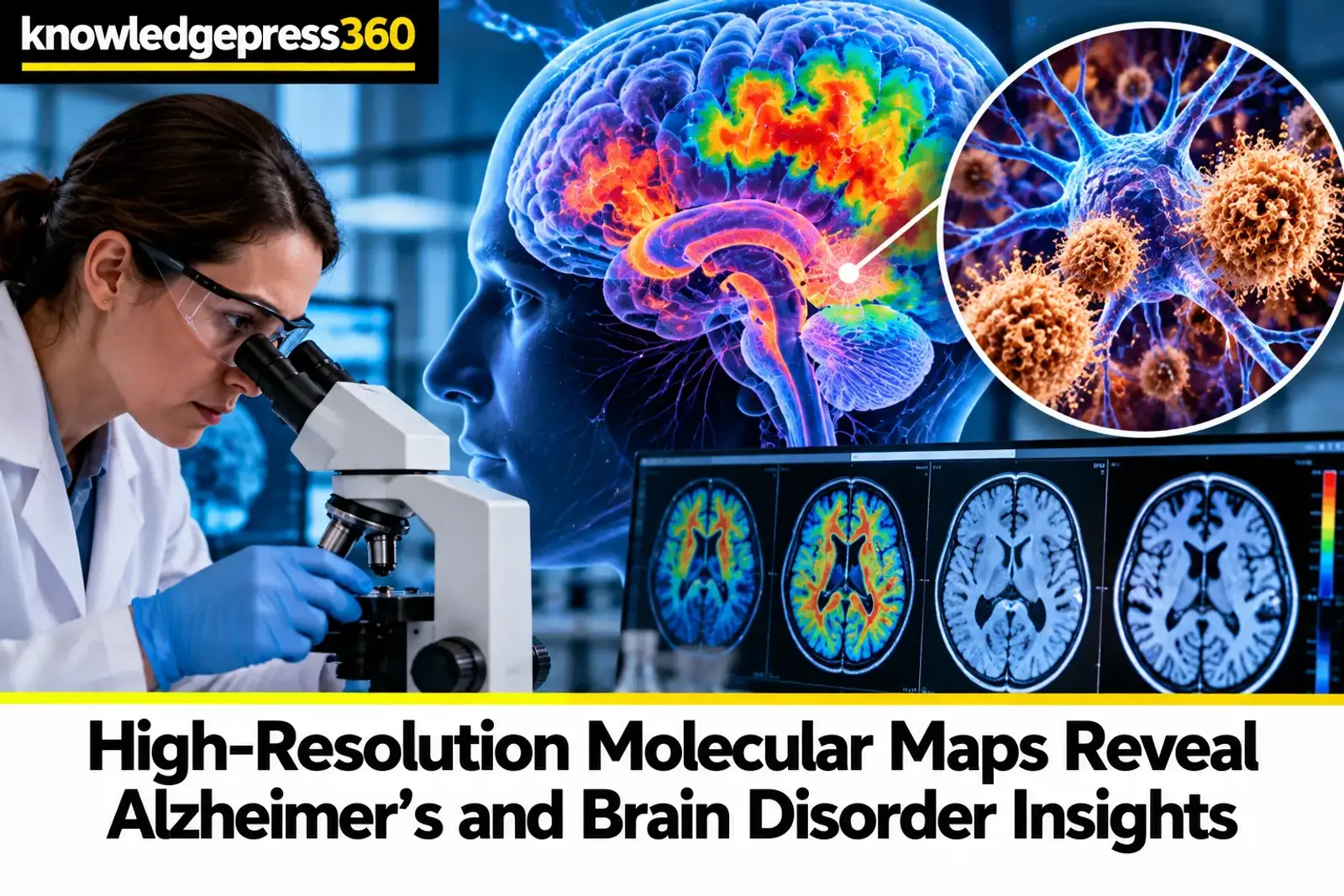
Researchers at Stanford University have successfully developed and implanted human-mouse chimeric brain tissue to study complex neurological disorders. Conventional animal models have historically struggled to mirror human-specific brain pathology, directly contributing to high clinical trial failure rates for debilitating conditions such as epilepsy, autism, and cerebral palsy. To bridge this critical translational gap, the investigation required ingenious biological engineering. Scientists genetically engineered mice to develop nearly absent cerebral cortices, leaving the outer grey matter layer largely missing before introducing human-derived neural components.
Human skin cells were meticulously reprogrammed into organoids, representing structured collections of living and connected neural tissue. Implanted human cells divided successfully, integrated into host brain circuitry, and functioned alongside the mouse brain over an observation period of about six months. Although the structural organization initially appeared somewhat disorganized compared to typical laminated neural layers, the human cells matured to adopt functional characteristics of the host cortex. Comprehensive behavioral tests demonstrated that these chimeric mice performed largely similarly to normal control mice without exhibiting any artificial cognitive enhancements. Independent bioethicists observed that the outcomes presented no indication of human-like consciousness within the subjects, though the milestone continues to provoke essential discussions regarding laboratory animal welfare standards.
Targeting advanced RAS-driven cancer mutations
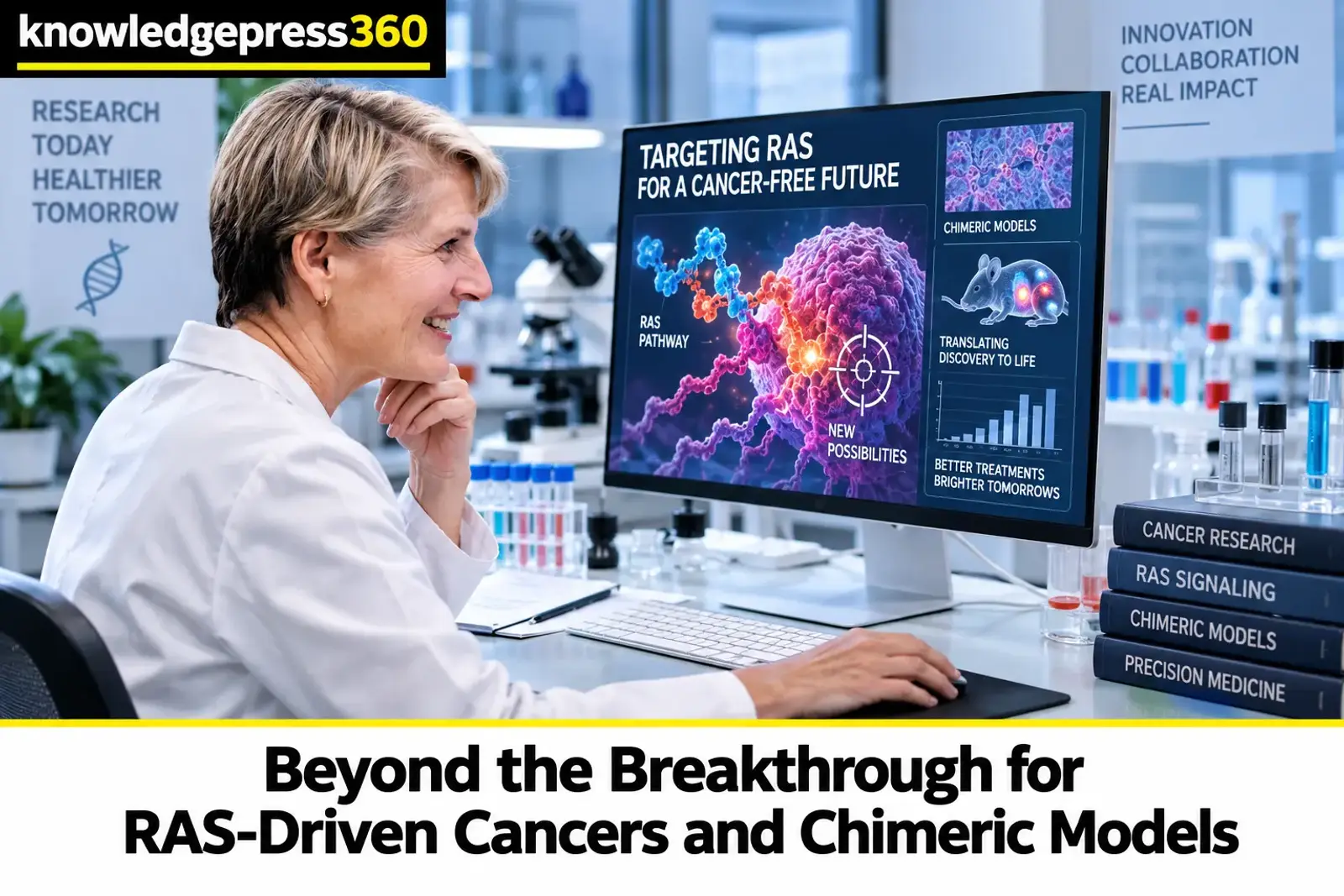
Parallel developments in oncology highlight significant strides against challenging therapeutic targets. Two early clinical studies focusing on selective KRASG12D inhibitors reported encouraging activity in advanced RAS-driven cancers. Historically, mutations within the RAS pathway have posed formidable obstacles for clinical oncologists, as the targeted proteins lacked accessible binding pockets for pharmacological intervention. The recent clinical data signal a potential shift in treatment landscapes for patients diagnosed with specific advanced malignancies that harbor these elusive genetic alterations. Researchers note that while these early findings remain preliminary, they establish a solid foundation for larger, more comprehensive clinical trials designed to confirm safety and efficacy profiles across broader patient populations.
Navigating ethical and regulatory frameworks
Despite the profound promise demonstrated by both chimeric neurobiology and targeted oncology, substantial challenges remain concerning long-term governance and clinical translation. The degree to which human-mouse chimeric neural circuits can accurately model complex human psychiatric conditions without crossing ethical thresholds requires continuous multidisciplinary evaluation. Regulatory bodies face the intricate task of supervising these advanced governance frameworks while ensuring that experimental protocols remain transparent and ethically sound. Furthermore, transitioning selective inhibitors from early clinical studies into standard oncological care demands rigorous validation to manage potential resistance mechanisms and adverse toxicological profiles.
Future milestones in biomedical research
As the scientific community looks toward the coming months, several critical developments will dictate the pace of clinical translation. Investigators monitoring the chimeric neural models plan to extend observation windows to evaluate how human and mouse circuits interact over longer developmental timelines. Simultaneously, oncology research groups are preparing subsequent phases of clinical trials for selective KRASG12D inhibitors, aiming to establish definitive efficacy data. Close collaboration between ethicists, regulatory authorities, and laboratory scientists will prove indispensable in guiding these transformative innovations responsibly from the bench to the bedside.