The political landscape of contemporary Europe has been shaken by a decisive electoral breakthrough in Germany, where the far-right Alternative for Deutschland party secured a commanding victory in Saxony-Anhalt. This monumental shift brings nationalist politics closer to regional government than at any point since the Second World War. As mainstream parties grapple with the implications of the ballot box, international figures have rushed to weigh in, amplifying a polarized debate over democratic norms, civil liberties, and the resurgence of nativist movements across Western democracies.
Landslide vote transforms regional parliament
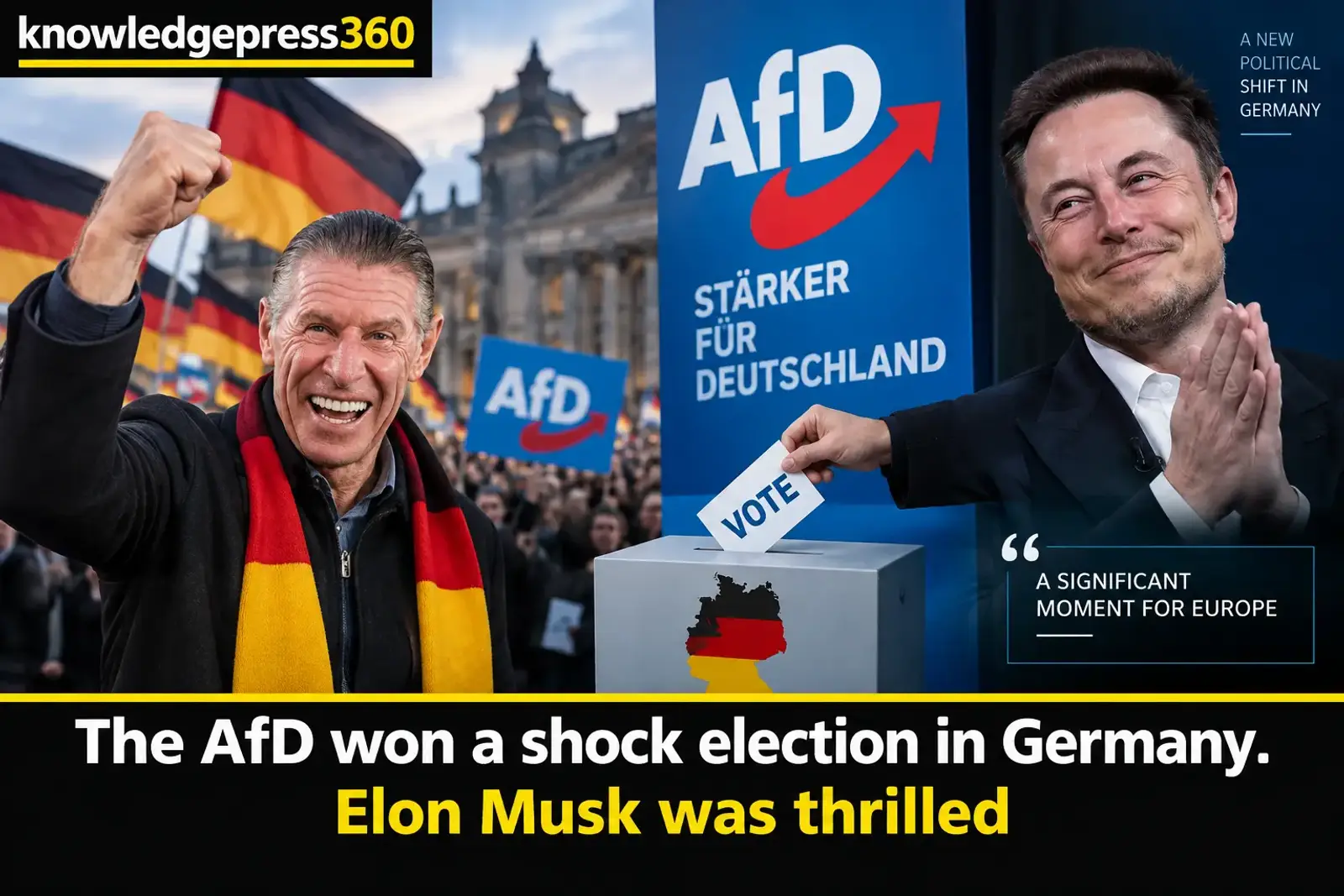
The Alternative for Deutschland secured nearly 44 percent of the total vote during the Saxony-Anhalt state election on September 6, 2026. This strong showing left mainstream competitors far behind, including Chancellor Friedrich Merz’s Christian Democratic Union, which languished at approximately 17 percent. Within the state legislature, the far-right faction captured 39 of the 83 available seats, leaving them merely three seats short of an absolute majority. Such a numerical advantage places the nationalist organization on the precipice of regional executive power, challenging long-standing political conventions that have governed post-war German federalism and state administration alike.
Street rallies challenge nationalist surge
Public reaction to the electoral outcome was swift and expansive, drawing tens of thousands of citizens into urban centers nationwide. Demonstrators mobilized across roughly 20 German cities, including major metropolitan hubs such as Berlin, Hamburg, and Munich, to voice vehement opposition to the far-right advance. Protesters demanded a comprehensive legal ban on the political organization, expressing profound anxiety over the erosion of democratic safeguards. Meanwhile, the electoral triumph resonated powerfully across digital networks, attracting enthusiastic public endorsement from technology executive Elon Musk. Using social media platforms, Musk posted celebratory messages praising party leader Alice Weidel, drawing sharp counter-reactions and intensifying international scrutiny over his deepening alignment with European nationalist factions.
Coalition barriers block government path
Despite their formidable legislative tally, the path toward forming an administration remains fraught with structural and political obstacles. Established parties across the German political spectrum adhere to a rigorous cordon sanitaire, commonly referred to as the firewall, which explicitly prohibits any form of parliamentary cooperation or coalition-building with the far-right. Consequently, whether the Alternative for Deutschland will successfully secure a coalition partner to bridge the remaining gap to executive authority remains an open question. Political analysts note that without a willing partner, the regional parliament risks descending into institutional paralysis, unable to pass budgets or form a functional government.
Uncharted political terrain ahead
The coming weeks will test the resilience of Germany’s democratic institutions as regional negotiations unfold under intense domestic and international pressure. Observers will monitor whether mainstream parties maintain their defensive barrier or if mounting electoral pressure fractures the political consensus. As civil society campaigns sustain public mobilization against nationalist governance, the unfolding crisis in Saxony-Anhalt serves as a critical barometer for the future stability of the broader European political order.