Serbia faces a pivotal political turning point after President Aleksandar Vučić announced his surprise resignation, setting the stage for a high-stakes snap legislative ballot. The move shatters the established political rhythm of the Balkan nation and forces a referendum-style confrontation between an entrenched populist administration and a mobilized youth movement. With the future of the ruling party hanging in the balance, the coming weeks will test the resilience of Serbia's democratic institutions amid profound societal divisions and mounting public pressure for systemic reform.
Aleksandar Vučić resigns early
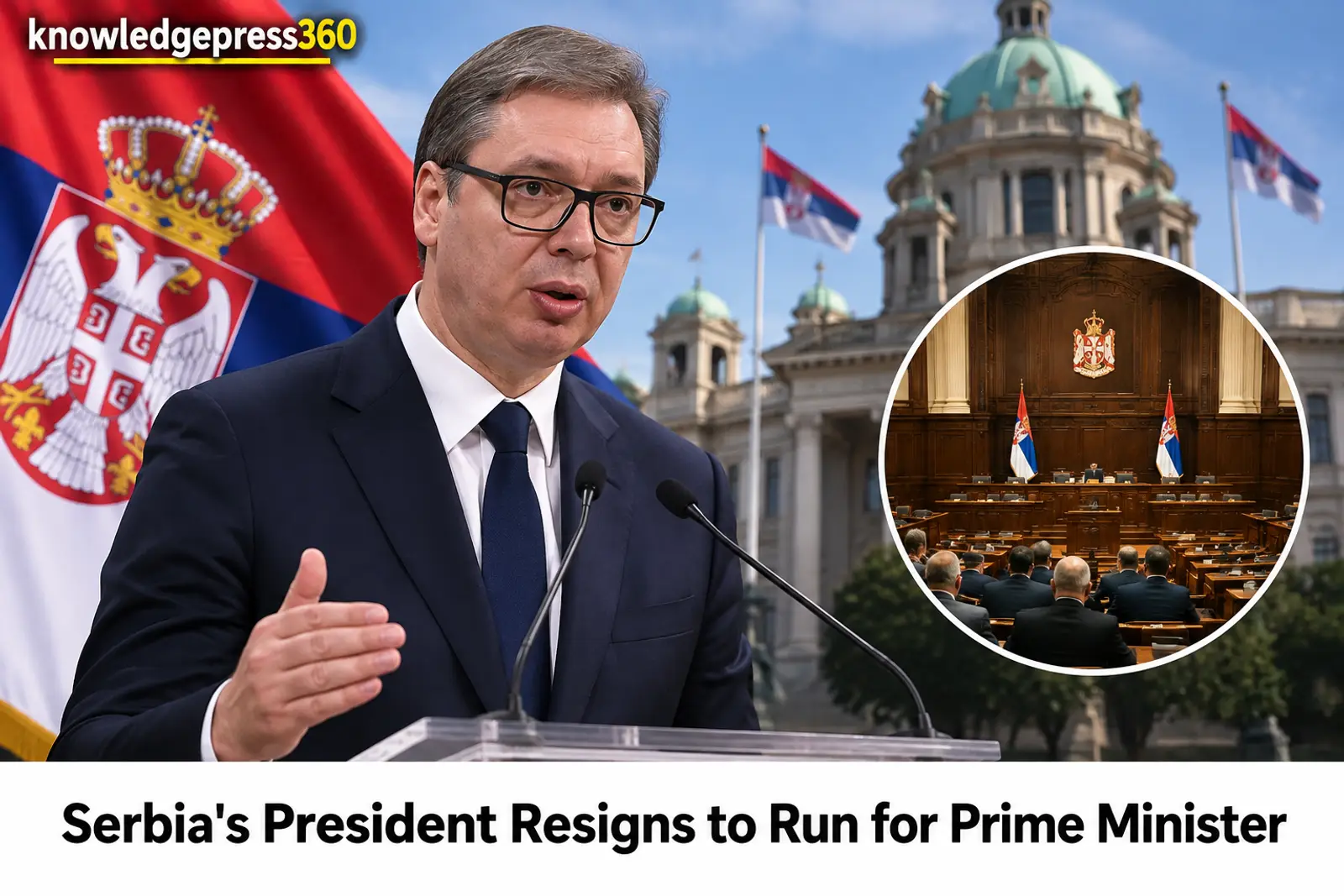
Serbian President Aleksandar Vučić formally stepped down from his post, accelerating a political timeline that would have otherwise kept him in office until May 2027. Constitutionally barred from seeking a third consecutive presidential term, Vučić announced that he will pivot to lead his right-wing Serbian Progressive Party into an early parliamentary election scheduled for October 25. Although the prime minister's office is formally considered the more powerful executive post under the Serbian Constitution, Vučić has maintained overarching dominance across both roles throughout his twelve years at the helm of the nation's government.
This strategic manoeuvre is designed to bolster his party's electoral prospects as it faces the most severe challenge to its fourteen-year grip on power. In the weeks leading up to his departure, Vučić embarked on extensive nationwide campaigning, inaugurating infrastructure projects, distributing financial assistance, and cutting medicine prices while securing heavy exposure across pro-government media networks. Independent watchdogs, including the Bureau for Social Research, quickly filed formal complaints alleging a systematic abuse of presidential authority for partisan gain, though government authorities have consistently dismissed these accusations.
Deadly train disaster triggers crisis
The catalyst for the unfolding political crisis traces back to a profound national tragedy on November 1, 2024, when a concrete canopy at the railway station in the northern city of Novi Sad collapsed, killing sixteen people. Initial public grief over the structural failure rapidly crystallized into sustained nationwide demonstrations demanding accountability, transparency, and a decisive break from endemic cronyism and systemic corruption. What began as localized protests led by university students has since matured into a formidable political movement uniting educators, diverse professionals, and civic activists.
This youth-backed coalition represents a unified electoral list aiming to dismantle the ruling establishment at the ballot box. Tensions across the country remain exceptionally high as the October election approaches. Following Vučić's resignation, Ana Brnabić, a close political ally and outgoing parliamentary speaker who previously served as prime minister, has stepped in to assume the responsibilities of acting president. Under strict constitutional mandates, the first round of a subsequent early presidential election must be organized within a ninety-day window, adding another layer of complexity to an already congested political calendar.
Unresolved institutional uncertainties
Significant uncertainties continue to cloud the electoral landscape as voters prepare for the October showdown. Independent observers are closely monitoring whether government-controlled anti-corruption bodies will adequately address ongoing complaints of institutional bias and campaign violations, or whether state machinery will continue to favour the ruling incumbents. Furthermore, questions persist regarding how authorities will handle persistent public protests, especially given previous instances of police interventions, detentions, and unverified allegations from ruling party officials suggesting that critics intend to destabilise the state.
At the same time, analysts debate whether the student-led political coalition can successfully translate street-level momentum into high voter turnout across rural and urban constituencies alike. Overcoming a deeply entrenched and heavily resourced party apparatus requires meticulous grassroots organisation and sustained civic engagement. As interim leader Ana Brnabić manages the delicate transition period, the actions of both the electoral commission and opposition organizers in the final stretch will determine the credibility and fairness of the upcoming ballot.