The sudden escalation of hostilities along the rugged frontier between Pakistan and Afghanistan threatens to unravel regional security in South Asia. Following a brief three-month window of relative calm, military exchanges have erupted once more, culminating in a thwarted cross-border offensive in the Gulistan sector. This flare-up carries profound implications not only for bilateral relations between the two neighbouring states but also for the broader geopolitical stability of a region long plagued by cross-border insurgencies. As security forces remain on high alert and diplomatic channels face severe strain, understanding the mechanics of this renewed conflict becomes vital for assessing future stability.
Border Skirmishes Erupt Near Gulistan
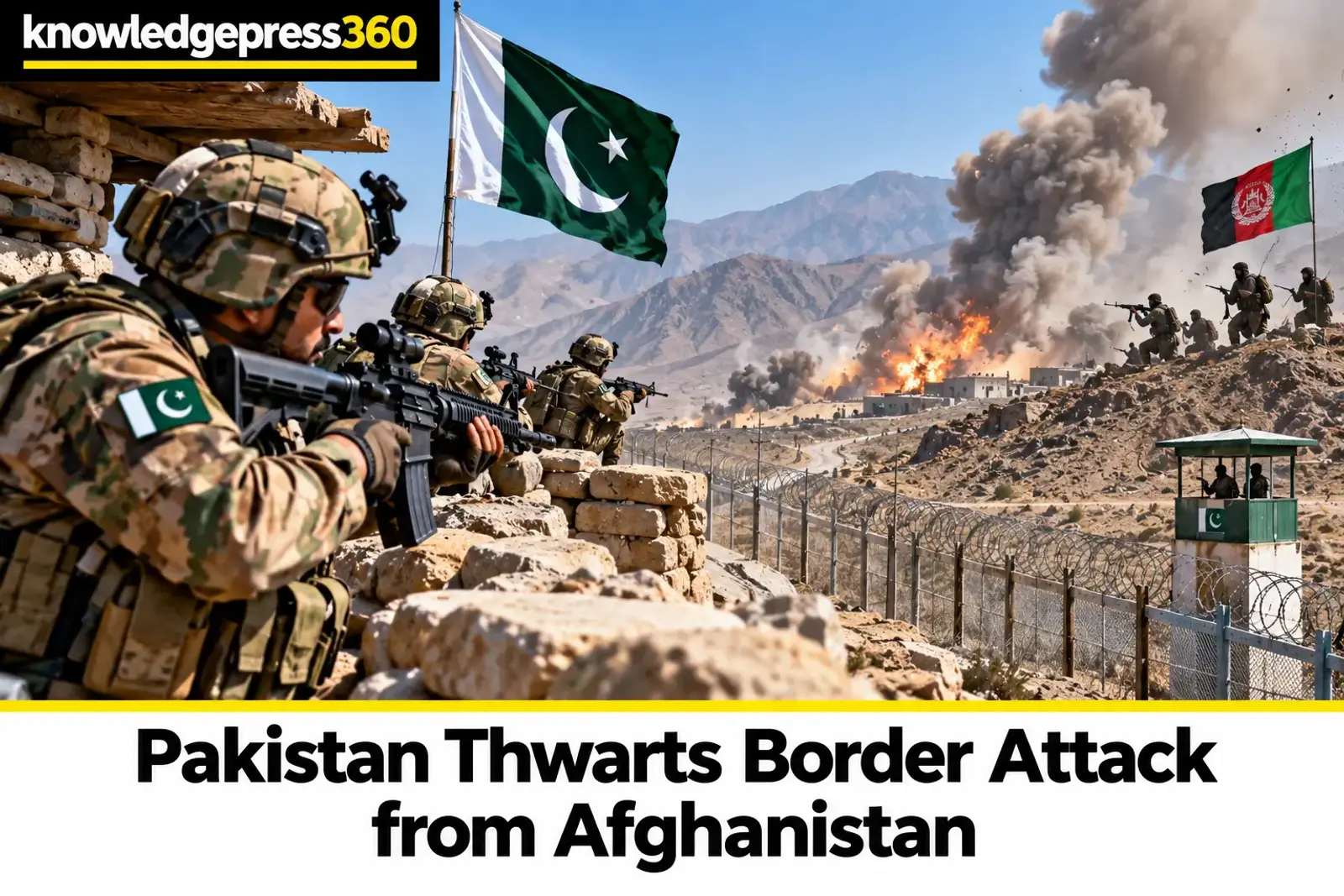
Pakistani security forces successfully repelled an armed incursion in the border region of Gulistan, neutralising several members of the Afghan Taliban during the engagement. According to official security disclosures, the defensive action was triggered by an aggressive attempt to breach Pakistani territory, leading to intermittent exchanges of gunfire that persisted across the mountainous terrain. The Afghan Taliban did not immediately issue a public response to these battlefield claims or the ensuing skirmishes. This violent episode broke a fragile three-month lull that had followed severe military confrontations earlier in the year, including major clashes in February and a high-casualty airstrike on Kabul in March where more than four hundred people were reported killed.
The immediate precursor to the Gulistan incident involved a series of aerial bombardments conducted by the Pakistan Air Force, which targeted ten distinct locations within Afghan territory that Islamabad claimed were utilised for launching and storing unmanned aerial vehicles. Days prior to those drone-related strikes, separate military operations in the border zone reportedly left twenty-eight militants dead. However, these figures are contested; Afghan Taliban officials strongly accused the Pakistani military of targeting civilian populations rather than combatants during those overnight raids. This sharp divergence in narrative underscores the deep mistrust defining current cross-border interactions, where tactical military actions are routinely viewed through opposing lenses of self-defence and state aggression.
Core Disputes Fuel Cross Border Tensions
At the heart of the ongoing diplomatic and military rupture lies a fundamental disagreement concerning militant safe havens and state responsibility. Islamabad maintains that the Afghan Taliban government provides sanctuary and operational support to Islamist militant factions, notably the Tehrik-i-Taliban Pakistan, which orchestrate lethal assaults within Pakistani borders. This frustration was compounded significantly by a devastating attack on a police facility in northwestern Pakistan during the preceding week, an assault that claimed the lives of at least twenty-four people and amplified domestic pressure on the Pakistani government to adopt a more aggressive posture.
Conversely, the Afghan Taliban administration categorically rejects these accusations, asserting that internal militancy remains an exclusively domestic challenge that Islamabad must resolve independently. Disagreements over casualty figures and operational intents further complicate diplomatic engagement. For instance, regarding the high-casualty March airstrike on Kabul, the Afghan Taliban insisted the target was a drug rehabilitation centre, whereas Islamabad steadfastly maintained that the site constituted legitimate military and terrorist infrastructure. These irreconcilable viewpoints leave little room for diplomatic compromise, paving the way for sustained military friction along the Durand Line.
Monitoring Future Bilateral Security Milestones
As intermittent clashes continue and military readiness remains elevated across the borderlands, the trajectory of bilateral engagement hangs in a precarious balance. The exact casualty figures and tactical details regarding the most recent engagements remain difficult to verify independently, highlighting the informational fog that frequently accompanies frontier conflicts. Observers are closely watching for official diplomatic pronouncements from Kabul and potential mediation efforts by regional actors aimed at de-escalating the crisis before it spirals into a wider conventional confrontation.
The coming weeks will test whether regional diplomacy can re-establish channels of communication or if retaliatory airstrikes and border skirmishes will become the permanent baseline of interaction. With domestic security pressures mounting inside Pakistan following high-casualty domestic attacks, the political appetite for restraint is visibly diminishing. International monitors will be tracking whether border security forces can maintain disciplined containment protocols or if further provocations will trigger a more expansive military campaign across the frontier.