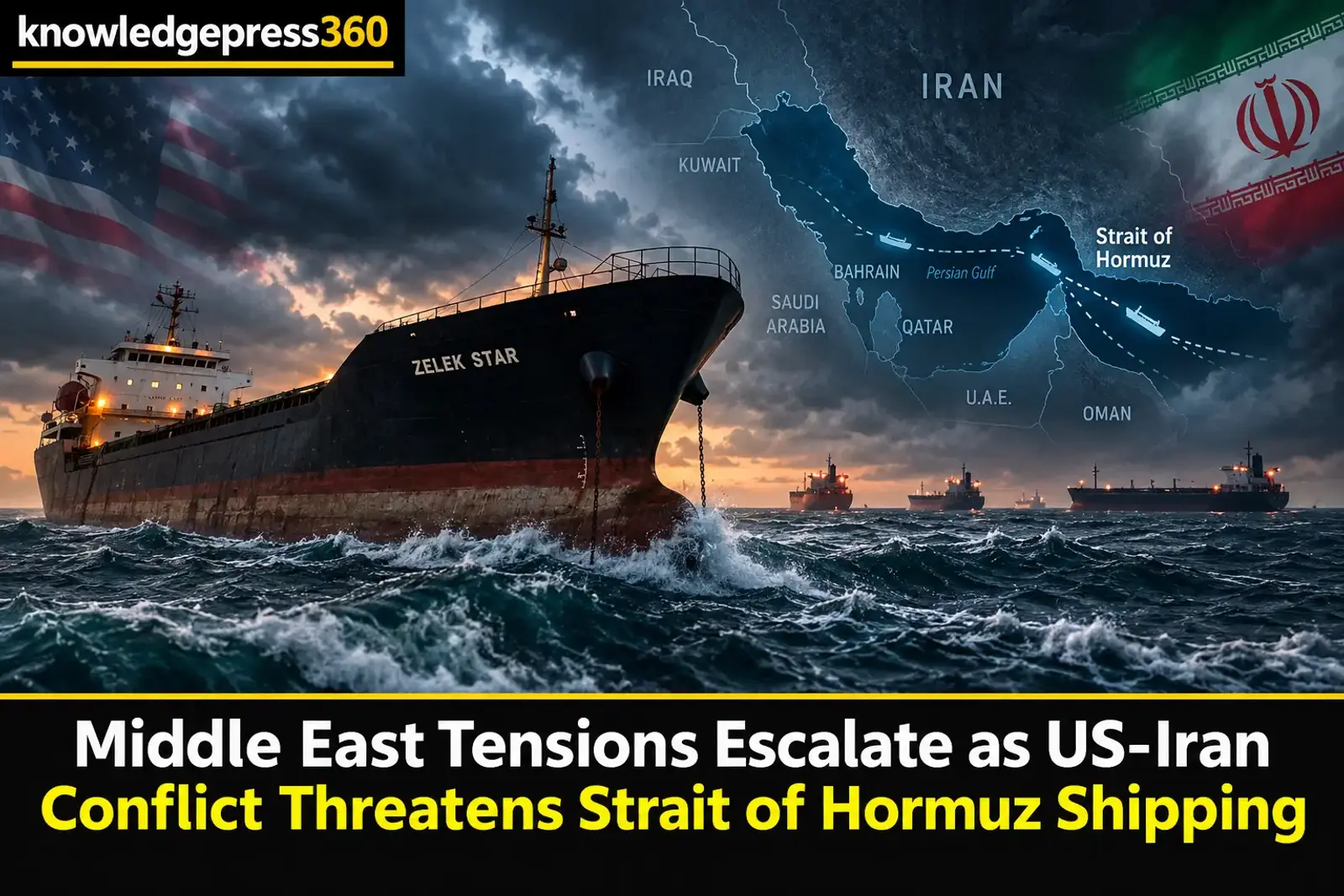
The escalation of hostilities between the United States and Iran in early September 2026 has transformed the geopolitical landscape of the Persian Gulf, shifting the focus of the conflict from territorial disputes to vital maritime trade corridors. At the heart of this confrontation is the Strait of Hormuz, a critical energy chokepoint through which roughly twenty percent of the world's petroleum reserves normally transit. Direct military engagements, reciprocal strikes on energy infrastructure, and a sharp decline in commercial vessel crossings have sent shockwaves through international financial markets. As crude oil benchmarks climb toward multi-month highs and domestic fuel costs reach unprecedented levels, policymakers and energy analysts face mounting concerns over the broader economic fallout of a protracted maritime blockade. Understanding the mechanics of this crisis requires examining how tactical engagements on the water directly translate into global supply deficits and inflationary pressures.
Surging Crude Oil Prices and Domestic Fuel Record Highs
Financial markets have reacted swiftly to the deteriorating security situation in the Persian Gulf, driving energy commodities to levels not seen since late July. Brent crude oil prices rose to a range between $96.28 and $99 per barrel, marking a substantial nineteen percent increase over the preceding month. Simultaneously, US West Texas Intermediate (WTI) crude climbed to between $92.27 and $94.70 per barrel, representing a near six-week high. These international market movements have quickly transmitted to consumer pump prices, particularly within the United States. National petrol averages climbed to $4.15 per gallon, while US diesel prices surged to an all-time record high of between $5.85 and $5.90 per gallon. Energy economists warn that these sustained fuel cost increases threaten to trigger widespread inflationary trickle-down effects, impacting everything from freight transport and manufacturing to retail goods and everyday household expenses across major consumer economies.
Military Confrontations and Attacks on Energy Infrastructure
The kinetic phase of the conflict has increasingly targeted the physical architecture of oil extraction and transport. United States military forces launched targeted strikes against multiple Iranian oil tankers, including vessels operating near the primary export facility at Kharg Island. Washington defended these operations by asserting that the targeted ships and their associated networks generate vital financial support for the Islamic Revolutionary Guard Corps and various regional proxies. In response, Iranian authorities and state media condemned the American actions, accusing United States forces of enforcing an unlawful blockade designed to disrupt legitimate petroleum shipments. Iranian sources reported retaliatory missile strikes directed at American naval assets, including a destroyer and an aircraft carrier operating near the strait. Additional reports highlighted localized incidents such as the alleged capture of an advanced unmanned American submarine by Iranian military personnel and secondary strikes impacting Saudi Aramco infrastructure in Jizan, underscoring the expanding geographic scope of the maritime conflict.
Contraction of Maritime Traffic Through the Strait of Hormuz
The operational disruption within the Persian Gulf is starkly reflected in maritime tracking data. Analytics platform Kpler reported a severe contraction in commercial shipping activity through the Strait of Hormuz, with average daily crossings dropping precipitously to between ten and thirty commodity vessels. This figure stands in sharp contrast to pre-crisis volumes, during which approximately twenty million barrels of petroleum traversed the waterway daily. The steep reduction in transit volume stems directly from heightened security risks, insurance cancellations for vessels entering the conflict zone, and physical threats to navigation. While official American commentary has sought to reassure global markets by noting that limited commercial flows continue through regional waterways, independent analysts emphasize that the sheer magnitude of the traffic decline creates structural supply deficits that cannot be easily mitigated by alternative pipelines or emergency reserves.
Verification Challenges and Diplomatic Uncertainty
Assessing the true extent of the maritime confrontation remains methodologically complex due to conflicting official reports and sparse independent verification. Certain tactical incidents, such as the reported missile strike on an Iranian oil tanker roughly four nautical miles from Kharg Island, highlight the difficulty of obtaining transparent battlefield assessments, given that neither official government spokespersons nor the United States military immediately confirmed the specific engagement details. Furthermore, claims regarding the capture of unmanned naval hardware or secondary strikes on regional facilities rely heavily on local media reports and sources familiar with the matter rather than official corporate or military announcements. This information gap complicates diplomatic efforts, as international mediators struggle to establish a verifiable baseline for negotiations while both Washington and Tehran maintain entrenched positions regarding maritime rights and security enforcement.
Outlook for Global Energy Security and Market Stability
As the crisis enters a critical phase, energy traders and international observers are closely monitoring several decisive factors that will shape the trajectory of the conflict. Chief among these is whether ongoing maritime skirmishes, potential port closures, or additional tanker attacks will breach the psychological threshold of one hundred dollars per barrel for Brent crude. Furthermore, the future course of retaliatory military operations in and around the Persian Gulf will dictate whether the confrontation remains contained to maritime assets or expands into broader regional infrastructure. Ultimately, the restoration of economic stability depends on whether diplomatic channels can broker secure passage through the Strait of Hormuz, averting a deeper energy crunch before inflationary pressures permanently alter global consumer markets.