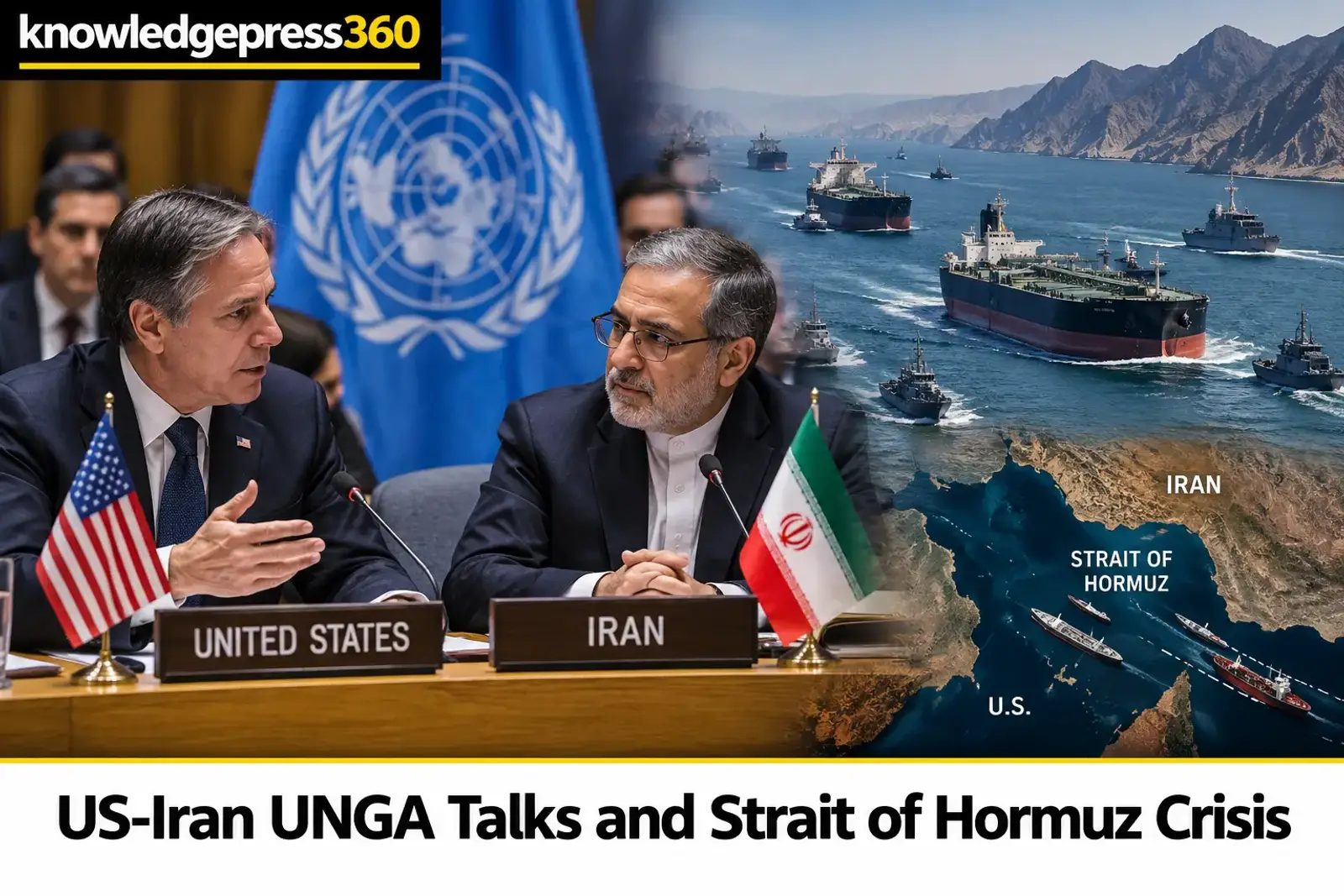
Diplomatic engagement between Washington and Tehran unfolded on the sidelines of the 81st United Nations General Assembly in New York, drawing intense global focus amid an ongoing military conflict and the critical closure of the strategic Strait of Hormuz. The high-stakes discussions matter immensely because the prolonged blockage of this vital maritime shipping corridor poses an acute threat to global energy supplies, economic stability, and developing nations reliant on unhindered trade. As international mediators stepped up efforts to avert a wider catastrophe, the simultaneous pairing of harsh military threats from the UN podium and covert backchannel diplomacy highlighted the volatile nature of contemporary international relations. Observers across industrialized and developing economies alike watched closely as regional powers worked urgently to forge a viable pathway toward de-escalation and maritime security in the Persian Gulf, aiming to address the severe vulnerabilities exposed by the regional crisis.
Indirect Diplomacy in New York
Delegations from the United States and Iran engaged in hours of extensive discussions through international intermediaries on the New York diplomatic circuit. Accounts of the formatting differed notably between official American and Iranian descriptions, highlighting a persistent communication gap between the two adversaries. U.S. special envoy Steve Witkoff stated that intermediaries shuttled continuously between the two delegations throughout the day to complete a promising round of talks. In contrast, Iranian state media maintained that Foreign Minister Abbas Araghchi held a direct meeting with American envoys at their request. President Donald Trump publicly praised the interactions, noting that his envoys, including Steve Witkoff and Jared Kushner, participated in a substantial three-hour meeting that generated considerable diplomatic momentum, even as he concurrently delivered stern warnings from the assembly podium.
Conditions for Reopening the Waterway
Alongside the New York talks, Tehran transmitted specific conditions through regional mediators regarding the critical reopening of the Strait of Hormuz shipping corridor. A senior Iranian official indicated that the nation was prepared to lift maritime restrictions within seven days if Washington met a series of reciprocal demands. These prerequisites included the easing of active U.S. military pressure, the removal of naval blockades on Iranian ports, the release of frozen financial assets, and the winding down of ongoing military operations. This diplomatic push received robust backing from broader regional actors, with Qatari and Pakistani diplomats working actively to foster de-escalation and secure freedom of navigation. French leadership and Indian officials also emphasized the severe economic pressures that disrupted trade placed on developing countries, further amplifying the urgency of restoring maritime traffic.
Internal Division and Policy Limits
Significant uncertainties and internal political frictions continue to shadow the diplomatic process, particularly regarding the exact consensus within the Iranian government. While moderate factions appear willing to explore mediated compromises to relieve economic strangulation, hardline elements within Tehran maintain stringent demands that complicate rapid agreement. Furthermore, fundamental divides concerning sanctions relief, military cessation, and the ultimate sequencing of concessions remain largely unbridged. Observers note that Washington's dual strategy of maintaining severe military threats while simultaneously pursuing backchannel dialogue creates a fragile environment where miscalculations could easily derail fragile progress.
Next Steps in Gulf Diplomacy
As diplomatic channels remain open, attention turns to upcoming UNGA speeches from Iranian leadership, subsequent rounds of mediation, and any tangible maritime actions in the Persian Gulf. Analysts are closely monitoring whether Washington and Tehran can translate indirect discussions into a formal framework for peace before domestic political pressures in both capitals harden negotiation stances. The coming weeks will test the resilience of Qatari mediation efforts and determine whether the proposed seven-day timeline for reopening the Strait of Hormuz can materialize into a sustainable regional security arrangement while broader geopolitical tensions persist across the Middle East.